


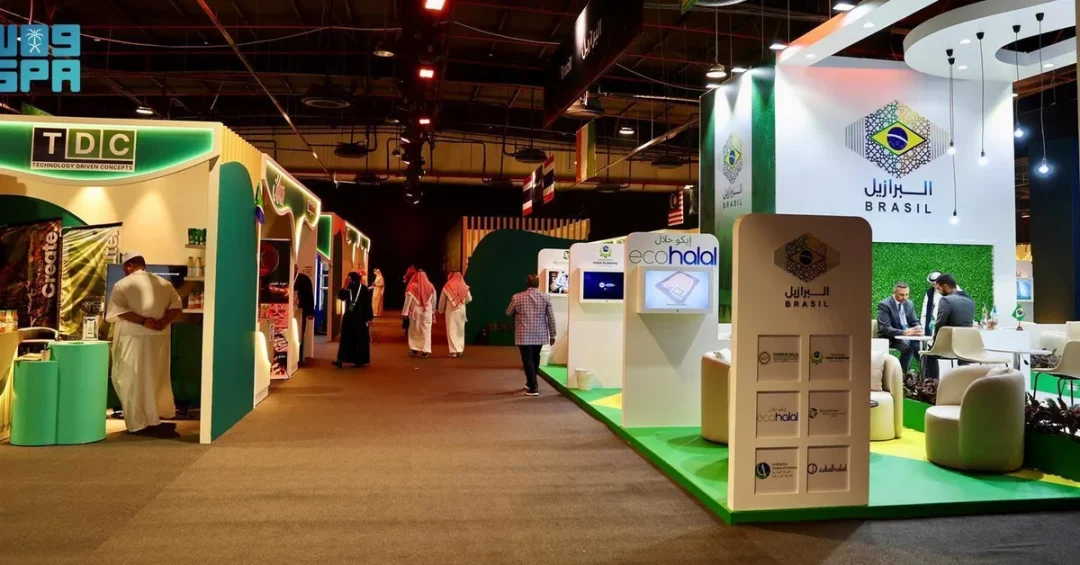
The Makkah Halal Forum, held from February 25 to 27, 2025, emphasized the integration of innovation and technology, including blockchain, to enhance the tracking and certification of halal products globally. The forum, organized in Makkah, brought together regulatory bodies, manufacturers, and entrepreneurs to address challenges in the halal industry and promote international trade.
Context and Background
The halal industry is a rapidly growing global sector encompassing food, medicine, and cosmetics. However, the industry faces significant challenges, including inconsistent certification standards and regulatory gaps in tracking halal products. These issues hinder international trade and affect the credibility of halal products in various markets.
Key Details
The Makkah Halal Forum focused on fostering collaboration among global halal accreditation entities, such as the Standards and Metrology Institute for Islamic Countries, the Department of Islamic Development Malaysia, and Indonesia’s Halal Product Assurance Organizing Body. The forum also highlighted the role of blockchain technology in ensuring transparency and reliability in halal product tracking.
Implications and Impact
By promoting a harmonized global certification system and leveraging advanced technologies, the forum aims to streamline the movement of halal products across international markets. This initiative is expected to enhance trust in halal products, facilitate trade, and strengthen Saudi Arabia’s position as a global leader in the halal industry.
Vision 2030 Alignment
The Makkah Halal Forum aligns with Saudi Arabia’s Vision 2030 by fostering innovation, enhancing economic diversification, and positioning the Kingdom as a global hub for the halal industry. The forum’s outcomes contribute to the broader goals of economic growth and international collaboration.
20 Questions
Q1. What was the primary focus of the Makkah Halal Forum?
A1. The forum focused on integrating innovation and technology, including blockchain, to enhance the tracking and certification of halal products globally.
Q2. When and where was the Makkah Halal Forum held?
A2. The forum was held from February 25 to 27, 2025, in Makkah, Saudi Arabia.
Q3. Who participated in the Makkah Halal Forum?
A3. The forum brought together regulatory bodies, manufacturers, entrepreneurs, and representatives from global halal accreditation entities.
Q4. What challenges does the halal industry face?
A4. The industry faces challenges such as inconsistent certification standards and regulatory gaps in tracking halal products.
Q5. How does blockchain technology benefit the halal industry?
A5. Blockchain technology ensures transparency and reliability in tracking halal products, enhancing trust and compliance with global standards.
Q6. Which organizations collaborated at the Makkah Halal Forum?
A6. Organizations included the Standards and Metrology Institute for Islamic Countries, the Department of Islamic Development Malaysia, and Indonesia’s Halal Product Assurance Organizing Body.
Q7. What is the goal of a harmonized global certification system?
A7. The goal is to ensure mutual recognition of halal certificates, streamlining the movement of halal products across international markets.
Q8. How does the forum contribute to international trade?
A8. By addressing certification inconsistencies and leveraging technology, the forum facilitates smoother trade of halal products globally.
Q9. What sectors does the halal industry encompass?
A9. The halal industry includes food, medicine, and cosmetics.
Q10. How does the forum enhance the credibility of halal products?
A10. By promoting transparency and reliability through advanced technologies like blockchain, the forum enhances trust in halal products.
Q11. What role does Saudi Arabia play in the halal industry?
A11. Saudi Arabia is positioning itself as a global hub for the halal industry, leading initiatives to shape its future.
Q12. What is the significance of the Makkah Halal Forum?
A12. The forum is significant for addressing industry challenges, fostering international collaboration, and promoting technological innovation.
Q13. How does the forum support Vision 2030?
A13. The forum supports Vision 2030 by fostering innovation, economic diversification, and international collaboration in the halal industry.
Q14. What technologies were highlighted at the forum?
A14. The forum highlighted blockchain technology and other innovations for tracking and certifying halal products.
Q15. What are the benefits of a unified regulatory framework?
A15. A unified regulatory framework simplifies compliance for companies and ensures consistency in halal certification standards.
Q16. How does the forum address certification inconsistencies?
A16. The forum promotes collaboration among global halal accreditation entities to create a harmonized certification system.
Q17. What is the impact of the forum on Saudi Arabia’s economy?
A17. The forum strengthens Saudi Arabia’s position in the halal industry, contributing to economic growth and diversification.
Q18. What are the future goals for the halal industry?
A18. Future goals include enhancing global standards, leveraging technology, and facilitating international trade in halal products.
Q19. How does the forum promote transparency?
A19. The forum promotes transparency through the use of blockchain technology and other advanced tracking systems.
Q20. What is the role of innovation in the halal industry?
A20. Innovation plays a crucial role in improving tracking, certification, and overall efficiency in the halal industry.
Reader Feedback
We value your thoughts. Please share your feedback on this article.
Your feedback helps us improve our coverage.