


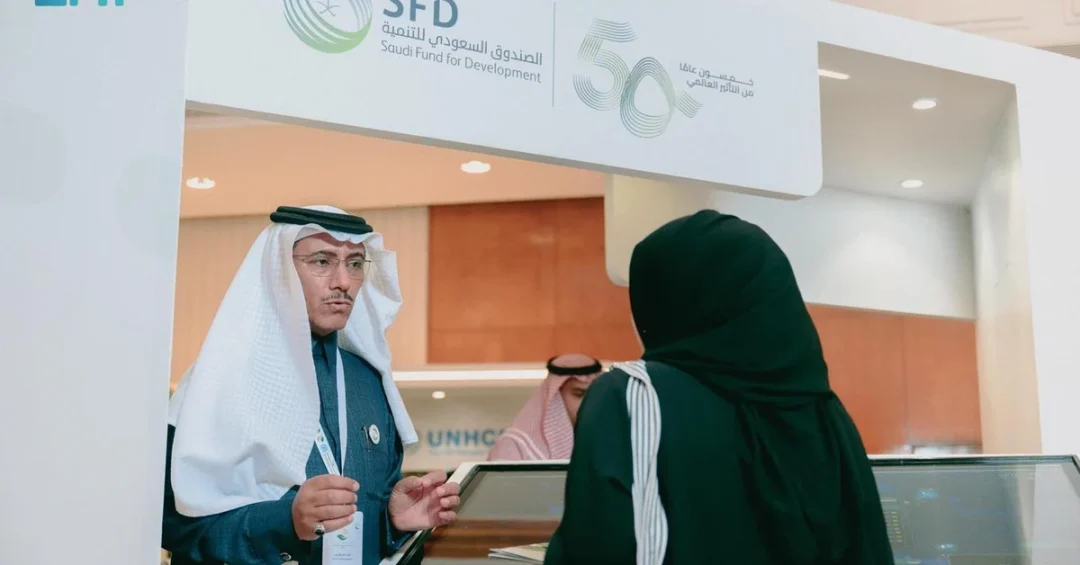
The King Salman Humanitarian Aid and Relief Center (KSrelief) exhibition at the fourth annual Riyadh International Humanitarian Forum (RIHF) drew significant attention from attendees, showcasing Saudi Arabia’s global humanitarian efforts through innovative technology. Held in Riyadh on February 26, 2025, the exhibition featured 30 pavilions representing local, Gulf, Arab, and international organizations, highlighting collaborative humanitarian initiatives aligned with the Sustainable Development Goals (SDGs).
Context and Background
The Riyadh International Humanitarian Forum (RIHF) serves as a key platform for global humanitarian dialogue, bringing together governments, NGOs, and UN agencies. KSrelief, established in 2015, is Saudi Arabia’s leading humanitarian organization, coordinating relief efforts across 92 countries. This year’s exhibition emphasized technological innovation to engage visitors interactively, reflecting the Kingdom’s commitment to modernizing humanitarian aid delivery.
Key Details
The exhibition featured pavilions from prominent organizations such as the United Nations High Commissioner for Refugees (UNHCR), the World Food Programme (WFP), and regional Gulf Cooperation Council (GCC) entities. Interactive displays allowed attendees to virtually explore KSrelief’s projects, including food security programs, medical aid campaigns, and disaster response initiatives in conflict zones like Yemen and Sudan.
Implications and Impact
The event strengthened partnerships between Saudi Arabia and international humanitarian actors, reinforcing the Kingdom’s role as the world’s second-largest donor of humanitarian aid. By integrating technology, KSrelief demonstrated how digital tools can enhance transparency and efficiency in relief operations, setting a benchmark for future humanitarian exhibitions.
Vision 2030 Alignment
The exhibition aligns with Saudi Arabia’s Vision 2030 goals of fostering global cooperation and positioning the Kingdom as a humanitarian leader. Through initiatives like this, KSrelief advances Saudi Arabia’s commitment to the SDGs while empowering youth volunteers and promoting cross-border collaboration—key pillars of the Vision 2030 societal transformation agenda.
20 Questions
Q1. What was the purpose of the KSrelief exhibition at RIHF?
A1. The exhibition aimed to showcase Saudi Arabia’s humanitarian efforts through interactive technology, highlighting KSrelief’s global projects and partnerships with international organizations.
Q2. How many pavilions were featured in the exhibition?
A2. The exhibition included 30 pavilions representing local, Gulf, Arab, and international governmental and non-governmental organizations.
Q3. Which UN agencies participated in the exhibition?
A3. UN agencies such as the UNHCR and WFP participated, showcasing their collaborative projects with KSrelief.
Q4. How does the exhibition align with the SDGs?
A4. It demonstrated KSrelief’s contributions to SDGs like zero hunger (SDG 2) and good health (SDG 3) through relief programs in vulnerable regions.
Q5. What technological innovations were displayed?
A5. Interactive virtual tours and digital platforms illustrated KSrelief’s field operations, enhancing visitor engagement with humanitarian data.
Q6. Which countries benefit from KSrelief’s programs?
A6. KSrelief operates in 92 countries, including Yemen, Sudan, Syria, and Afghanistan, providing food, medical, and emergency aid.
Q7. How does KSrelief support youth volunteerism?
A7. The exhibition promoted youth involvement in humanitarian work through training programs and awareness campaigns.
Q8. What was the international response to the exhibition?
A8. Attendees praised the innovative approach and Saudi Arabia’s leadership in humanitarian aid coordination.
Q9. How does KSrelief ensure aid transparency?
A9. Digital tracking systems displayed at the exhibition allow donors to monitor aid distribution in real-time.
Q10. What role does RIHF play in global humanitarianism?
A10. RIHF facilitates dialogue among stakeholders to address crises and improve aid delivery mechanisms worldwide.
Q11. Which GCC organizations participated?
A11. Gulf-based NGOs like the UAE Red Crescent and Kuwait Relief Society joined to highlight regional cooperation.
Q12. How does the exhibition strengthen Saudi Arabia’s global ties?
A12. By hosting diverse organizations, it fosters multilateral partnerships and knowledge exchange in humanitarian best practices.
Q13. What types of aid projects were highlighted?
A13. Medical camps, water sanitation initiatives, and refugee support programs were featured as key interventions.
Q14. How does KSrelief coordinate with local partners?
A14. It collaborates with on-ground NGOs to ensure culturally sensitive and efficient aid delivery.
Q15. What was unique about this year’s exhibition format?
A15. Its tech-driven, immersive experience differentiated it from traditional static displays at past forums.
Q16. How does Saudi Arabia rank in global humanitarian aid?
A16. The Kingdom is the world’s second-largest humanitarian donor, contributing over $6 billion annually.
Q17. What are KSrelief’s flagship programs?
A17. The Masam Project for landmine clearance and the Food Security Program are among its most impactful initiatives.
Q18. How can attendees stay engaged post-exhibition?
A18. KSrelief’s digital platforms provide ongoing updates and volunteer opportunities for global audiences.
Q19. What is the significance of Riyadh hosting RIHF?
A19. It underscores Saudi Arabia’s strategic role in shaping humanitarian policy and mobilizing international resources.
Q20. How does this event advance Vision 2030?
A20. By elevating Saudi Arabia’s humanitarian leadership, it supports Vision 2030’s goals of global engagement and societal development.
Reader Feedback
We value your thoughts. Please share your feedback on this article.
Your feedback helps us improve our coverage.