


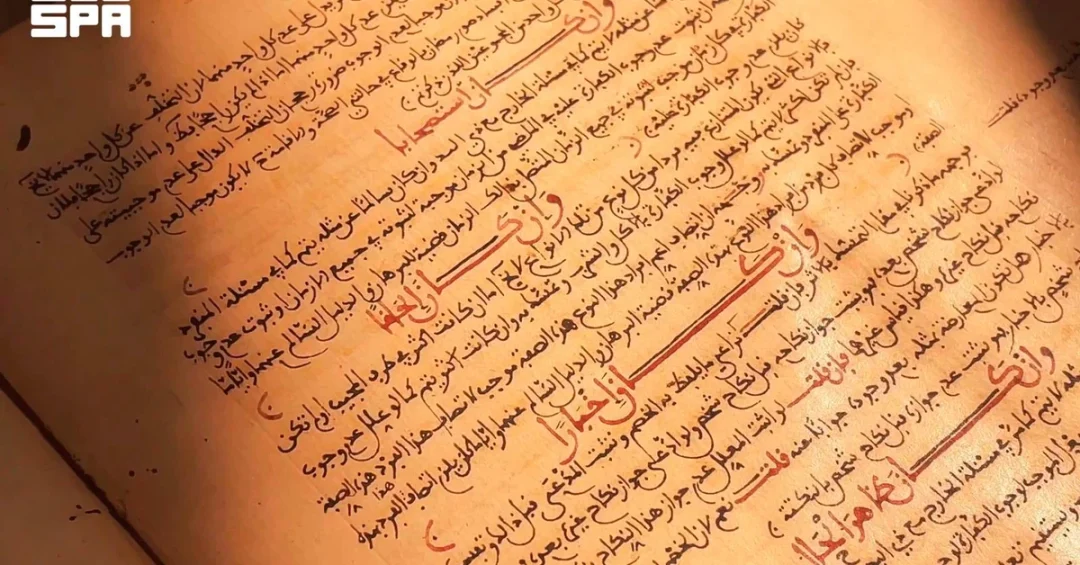
On World Calligraphy Day, the King Abdulaziz Public Library in Riyadh is celebrating the rich heritage of Arabic calligraphy through a series of exhibitions and cultural activities, reaffirming its role as a custodian of this ancient art form. The library is showcasing its vast collections, including rare Quranic manuscripts and over 7,000 manuscripts, to highlight the beauty and diversity of Arabic scripts. These efforts align with Saudi Arabia’s Vision 2030, which emphasizes cultural preservation and global engagement.
Context and Background
World Calligraphy Day, observed on the second Wednesday of August, provides a global platform to honor the art of beautiful writing. For the King Abdulaziz Public Library, this day underscores its commitment to preserving Arabic calligraphy as a cornerstone of cultural identity. The library has long been a hub for artistic and intellectual activity, housing extensive collections that trace the evolution of Arabic script from early Kufic to modern calligraphic expressions. Its programs aim to connect contemporary culture with Arab heritage, fostering appreciation among both local and international audiences.
Key Details
The library’s collections include over 6,475 books on Arabic calligraphy and its arts, available for researchers and enthusiasts. Among its treasures are more than 350 copies of the Quran, many illuminated and decorated, showcasing scribes’ artistry over centuries. The International Exhibition of Arabic Calligraphy featured over 200 books and works by renowned calligraphers, while the Andalusian manuscripts collection highlights the unique beauty of Andalusian script. These exhibits demonstrate the intricate techniques of gilding, ornamentation, and miniature painting that adorn Quranic manuscripts, offering a window into Islamic decorative arts.
Implications and Impact
The celebration of World Calligraphy Day at the library reinforces Saudi Arabia’s role as a cultural leader in the region. By preserving and showcasing these artistic treasures, the Kingdom promotes intercultural dialogue and positions itself as a guardian of Islamic heritage. The events also support tourism and education, attracting scholars and visitors interested in the artistry of Arabic script. The international recognition of this celebration highlights the global relevance of Saudi Arabia’s cultural initiatives, fostering a positive image of the Kingdom as a modern yet heritage-rich nation.
Vision 2030 Alignment
This cultural celebration aligns directly with Vision 2030’s goal of enriching the lives of citizens and residents through cultural activities and preserving national heritage. By investing in libraries, museums, and exhibitions, Saudi Arabia is building a vibrant cultural scene that contributes to economic diversification and global soft power. As the Kingdom opens its doors to the world, such initiatives not only preserve the past but also inspire future generations to appreciate the timeless beauty of Arabic calligraphy, solidifying Saudi Arabia’s position as a bridge between tradition and innovation on the global stage.
20 Questions
Q1. What is World Calligraphy Day?
A1. World Calligraphy Day is an annual global celebration held on the second Wednesday of August to honor the art of calligraphy and its cultural significance across civilizations.
Q2. Where is the King Abdulaziz Public Library located?
A2. The King Abdulaziz Public Library is located in Riyadh, the capital city of Saudi Arabia.
Q3. When was World Calligraphy Day celebrated in 2026?
A3. In 2026, World Calligraphy Day fell on August 13, as it is observed on the second Wednesday of August each year.
Q4. What is the significance of Arabic calligraphy in Islamic culture?
A4. Arabic calligraphy holds a sacred place in Islamic culture as it is used to transcribe the Quran, and it is considered one of the highest forms of visual art, symbolizing divine beauty and knowledge.
Q5. How many books on Arabic calligraphy does the library have?
A5. The library possesses 6,475 books as sources and references on Arabic calligraphy and its arts, available in its reading rooms for researchers.
Q6. What types of manuscripts are in the library’s collection?
A6. The library holds over 7,000 manuscripts, including Quranic manuscripts in various scripts, illuminated copies, and Andalusian manuscripts, showcasing the diversity and beauty of Arabic scripts.
Q7. What exhibitions has the library hosted on Arabic calligraphy?
A7. The library has hosted the International Exhibition of Arabic Calligraphy and exhibitions featuring rare Quran copies, highlighting the artistry and techniques of calligraphers.
Q8. How many rare copies of the Quran are in the library’s collection?
A8. The library has over 350 rare copies of the Quran, including illuminated and decorated versions transcribed over centuries.
Q9. What is the role of the library in preserving cultural heritage?
A9. The library plays a crucial role in preserving cultural heritage by safeguarding manuscripts, organizing exhibitions, and promoting research on Arabic calligraphy, aligning with Vision 2030’s cultural goals.
Q10. How does the library connect contemporary culture with heritage?
A10. The library bridges contemporary culture and heritage by offering programs and exhibitions that showcase traditional arts while engaging modern audiences, fostering a deeper appreciation of Arab identity.
Q11. What is the significance of the Andalusian manuscripts?
A11. The Andalusian manuscripts highlight the beauty of Andalusian calligraphy and are considered masterpieces of Arabic calligraphy, reflecting the rich artistic heritage of Islamic Spain.
Q12. How does Saudi Arabia’s Vision 2030 support cultural initiatives?
A12. Vision 2030 emphasizes cultural preservation and global engagement, supporting initiatives that promote heritage, tourism, and quality of life, as exemplified by the library’s activities.
Q13. Who can access the library’s calligraphy resources?
A13. The library’s calligraphy resources are available to researchers, scholars, and the public, encouraging study and appreciation of Arabic calligraphy and its history.
Q14. What artistic techniques are showcased in the Quranic manuscripts?
A14. The manuscripts display diverse techniques like gilding, Islamic ornamentation, decorative motifs, and miniature paintings, demonstrating the scribes’ artistry and appreciation for the Quran.
Q15. How does the International Exhibition of Arabic Calligraphy contribute to the art form?
A15. This exhibition features over 200 books and works by renowned calligraphers, promoting the aesthetics of Arabic calligraphy and providing a platform for exchange among artists.
Q16. Why is World Calligraphy Day important globally?
A16. This day raises awareness about the art of calligraphy, promotes cultural diversity, and encourages the preservation of writing traditions, fostering cross-cultural understanding.
Q17. How does the library celebrate World Calligraphy Day?
A17. The library marks the day with exhibitions, educational activities, and displays of its collections, highlighting the beauty and significance of Arabic calligraphy.
Q18. What impact does the celebration have on Saudi Arabia’s international image?
A18. It enhances Saudi Arabia’s image as a cultural leader and guardian of heritage, showcasing the Kingdom’s commitment to preserving arts and fostering global cultural dialogue.
Q19. How can visitors engage with the library’s calligraphy collections?
A19. Visitors can explore exhibitions, access books and manuscripts in reading rooms, and participate in educational programs that offer insights into Arabic calligraphy.
Q20. What future cultural activities does the library plan?
A20. While specific plans are not stated, the library continues to develop programs that celebrate Arabic calligraphy, supporting cultural enrichment and Vision 2030’s goals.
Reader Feedback
We value your thoughts. Please share your feedback on this article.
Your feedback helps us improve our coverage.