


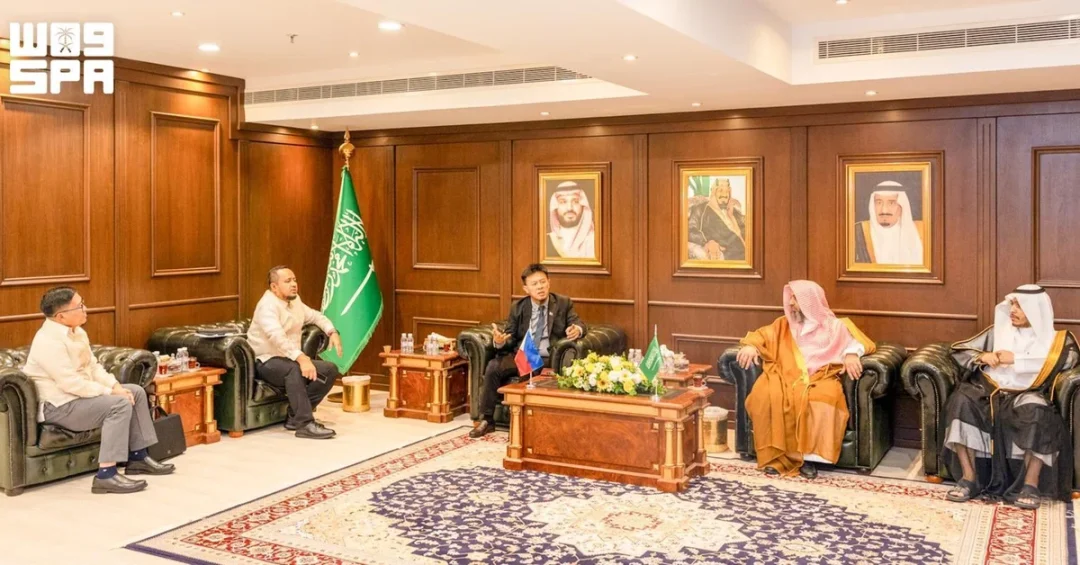
The Ministry of Islamic Affairs, Dawah and Guidance has signed a memorandum of understanding (MoU) with the National Commission on Muslim Filipinos (NCMF) in the Philippines, aiming to enhance cooperation in Islamic affairs and promote the values of compassion, mercy, and solidarity. The signing ceremony took place on August 13, 2026, at the ministry’s branch in Makkah, as reported by the Saudi Press Agency (SPA). The agreement was signed by Undersecretary for Islamic Affairs Dr. Awad bin Sabti Al-Enezi on behalf of Minister of Islamic Affairs, Dawah and Guidance Sheikh Dr. Abdullatif Al Alsheikh, and by NCMF Secretary Sabuddin Abdurahim on behalf of the Philippines.
This MoU seeks to strengthen bilateral ties in the field of Islamic affairs, with a focus on raising cultural awareness, preserving the identity and social cohesion of Muslim communities, and promoting a balanced and tolerant understanding of Islam. It also aims to highlight Islam’s merits and its position on contemporary issues, in accordance with the laws and regulations in force in both countries.
Context and Background
The Philippines is home to a significant Muslim minority, primarily concentrated in the Bangsamoro Autonomous Region in Muslim Mindanao (BARMM). The NCMF is the Philippine government agency mandated to protect the rights and promote the well-being of Muslim Filipinos. This agreement builds on the longstanding diplomatic and cultural ties between Saudi Arabia and the Philippines, and reflects the Kingdom’s commitment to supporting Muslim communities worldwide.
Saudi Arabia has historically played a key role in providing educational and religious support to Muslim communities across the globe, and this MoU is part of broader efforts to enhance international cooperation in the service of Islam. The agreement also comes at a time when the Kingdom is actively promoting interfaith dialogue and peaceful coexistence, under the leadership of the Custodian of the Two Holy Mosques, King Salman bin Abdulaziz, and Crown Prince Mohammed bin Salman.
Key Details
Under the terms of the MoU, the two sides will cooperate in the exchange of research, books, and scientific publications on Islamic affairs in various languages. This will facilitate the dissemination of authentic and moderate Islamic knowledge. Additionally, the MoU provides for coordinating visits by the Imams of the Two Holy Mosques to the Philippines, an initiative that will allow Filipino Muslims to benefit directly from the guidance and scholarship of these respected religious leaders.
The agreement also includes organizing scientific conferences and training seminars to qualify preachers, orators, imams, and muezzins, which is expected to enhance the capabilities of Muslim religious leaders in the Philippines. Moreover, it will facilitate the participation of scholars and specialized preachers in Islamic conferences and seminars held in both countries, fostering intellectual exchange and mutual understanding.
Implications and Impact
The MoU is expected to have significant positive implications for Muslim Filipinos, including improved access to religious education and resources, enhanced training for religious leaders, and greater cultural and educational exchange between the two countries. This cooperation aligns with Saudi Arabia’s broader strategy of supporting moderate Islam and promoting peaceful coexistence, which is essential for global stability.
Internationally, the agreement reinforces Saudi Arabia’s role as a leader in the Islamic world, committed to the welfare of Muslims globally. It also strengthens bilateral relations between Saudi Arabia and the Philippines, which have been growing in recent years in areas such as labor, trade, and now religious and cultural affairs. The initiative is expected to contribute to the social cohesion of Muslim communities in the Philippines, helping them integrate while preserving their unique identity.
Vision 2030 Alignment
This MoU directly supports Saudi Arabia’s Vision 2030, which emphasizes the importance of strengthening the Kingdom’s Islamic message and its role as a global hub for Islamic values and culture. By promoting moderate Islam and supporting Muslim communities abroad, Saudi Arabia enhances its international standing and contributes to global peace and stability. The agreement also aligns with the Vision’s goal of deepening cooperation with friendly nations and strengthening the Saudi identity as a beacon of tolerance and compassion. As the Kingdom continues to implement its ambitious reform agenda, partnerships like this will play a crucial role in showcasing the essence of Islam and its contribution to human civilization.
20 Questions
Q1. When and where was the memorandum of understanding signed?
A1. The MoU was signed on August 13, 2026, at the Ministry of Islamic Affairs, Dawah and Guidance’s branch in Makkah, Saudi Arabia. This was reported by the Saudi Press Agency (SPA).
Q2. Who represented the Ministry of Islamic Affairs at the signing?
A2. Dr. Awad bin Sabti Al-Enezi, the Undersecretary for Islamic Affairs, signed on behalf of the Minister of Islamic Affairs, Dawah and Guidance, Sheikh Dr. Abdullatif Al Alsheikh.
Q3. Who signed on behalf of the National Commission on Muslim Filipinos?
A3. Secretary Sabuddin Abdurahim, the Secretary of the National Commission on Muslim Filipinos (NCMF), represented the Philippine side during the signing ceremony.
Q4. What is the main objective of the memorandum of understanding?
A4. The MoU aims to strengthen cooperation in Islamic affairs, promote awareness of Islam and its tolerant values, and raise cultural awareness among Muslims while preserving their identity and social cohesion.
Q5. What does the agreement say about promoting Islamic values?
A5. It emphasizes promoting values of compassion, mercy, and solidarity, as well as highlighting Islam’s merits and its stance on contemporary issues, in accordance with both countries’ laws.
Q6. How will the two sides exchange knowledge?
A6. They will cooperate in exchanging research, books, and scientific publications on Islamic affairs in various languages, thus facilitating the flow of authentic knowledge.
Q7. What is the significance of coordinating visits by Imams of the Two Holy Mosques?
A7. These visits will allow Filipino Muslims to directly benefit from the guidance and scholarship of the Imams, enhancing religious understanding and spiritual connection.
Q8. What kind of training will be provided under the MoU?
A8. The MoU provides for organizing scientific conferences and training seminars to qualify preachers, orators, imams, and muezzins, thereby improving the skills of local religious leaders.
Q9. How will scholars participate in conferences?
A9. The agreement will facilitate the participation of scholars and specialized preachers in Islamic conferences and seminars held in both countries, fostering intellectual exchange.
Q10. Who is the Philippine agency involved in this MoU?
A10. The National Commission on Muslim Filipinos (NCMF) is the Philippine government agency responsible for protecting the rights and promoting the well-being of Muslim Filipinos.
Q11. What is the role of the Saudi Ministry of Islamic Affairs?
A11. The Ministry of Islamic Affairs, Dawah and Guidance is responsible for overseeing Islamic affairs in Saudi Arabia, including promoting moderate Islam and supporting Muslim communities worldwide.
Q12. How does this agreement support Muslim Filipinos?
A12. It provides them with access to religious education, resources, and training, thereby strengthening their cultural identity and enabling them to participate more effectively in society.
Q13. What is the role of the Two Holy Mosques’ Imams in this cooperation?
A13. The Imams will visit the Philippines to guide and educate Muslim Filipinos, strengthening their religious understanding and fostering a positive image of Islam.
Q14. Does the MoU include the exchange of scientific publications?
A14. Yes, both sides will exchange research, books, and scientific publications on Islamic affairs in several languages, ensuring diverse access to knowledge.
Q15. How will this MoU affect the Muslim community in the Philippines?
A15. It is expected to improve access to religious education, enhance training for leaders, and promote social cohesion, ultimately empowering the Muslim community.
Q16. What is the legal basis for the cooperation?
A16. The MoU operates in accordance with the laws and regulations in force in both Saudi Arabia and the Philippines, ensuring mutual respect and compliance.
Q17. How does this MoU align with Saudi Arabia’s Vision 2030?
A17. It aligns by strengthening the Kingdom’s Islamic outreach, showcasing its commitment to moderate Islam and fostering international partnerships, all central to Vision 2030.
Q18. What are the expected outcomes for the two countries?
A18. Increased cultural and religious exchange, enhanced bilateral ties, and a positive global perception of both countries as promoters of peace and mutual understanding.
Q19. Will this lead to more cooperation in other fields?
A19. Potentially, as successful cooperation in Islamic affairs can pave the way for collaborations in education, trade, and other sectors, benefiting both nations.
Q20. How can other countries benefit from this example?
A20. They can learn from this model of intergovernmental cooperation in religious affairs, which promotes tolerance and positive engagement while respecting national laws.
Reader Feedback
We value your thoughts. Please share your feedback on this article.
Your feedback helps us improve our coverage.