


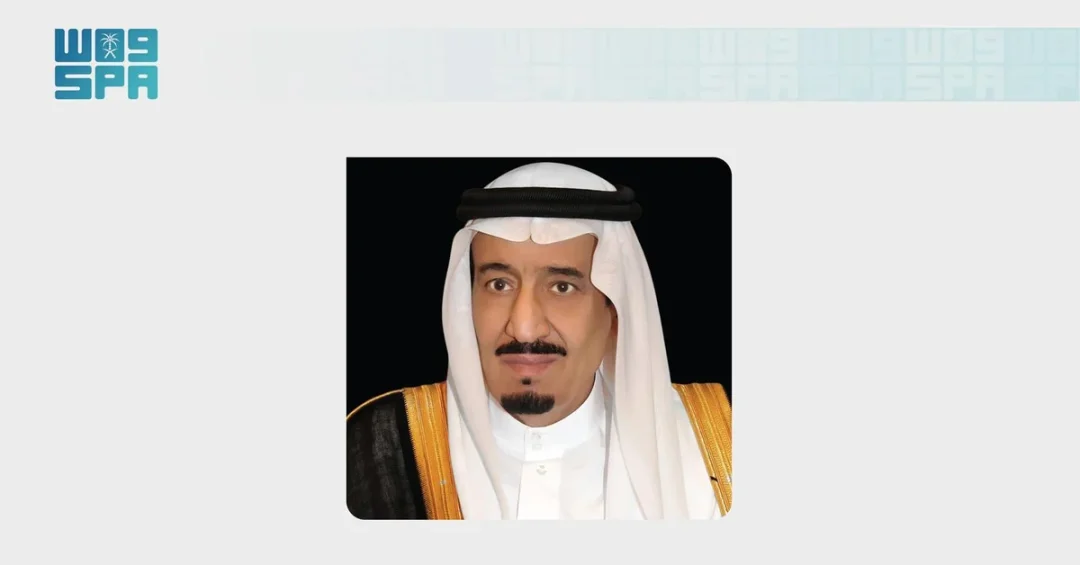
Custodian of the Two Holy Mosques King Salman bin Abdulaziz Al Saud issued royal orders today, August 13, 2026, reconstituting the Cabinet under the chairmanship of His Royal Highness Prince Mohammed bin Salman bin Abdulaziz Al Saud, Crown Prince and Prime Minister, and appointing new chairmen for two key economic authorities. The orders, reported by the Saudi Press Agency (SPA), also included changes to the leadership of the Local Content and Government Procurement Authority and the Capital Market Authority.
Context and Background
The royal orders come as part of the Kingdom’s ongoing efforts to enhance governance and efficiency in line with Vision 2030, the national blueprint for economic diversification and social reform. The reconstitution of the Cabinet, which includes the current members, underscores the leadership’s commitment to continuity while allowing for periodic evaluation and adjustments. The appointments to the economic authorities are aimed at strengthening Saudi Arabia’s regulatory frameworks and boosting local content, which is crucial for creating jobs and fostering a self-reliant economy.
Key Details
According to the royal orders, Bandar Alkhorayef has been relieved of his post as Chairman of the Board of Directors of the Local Content and Government Procurement Authority. He is succeeded by Prince Abdulaziz bin Salman bin Abdulaziz Al Saud, who will now lead the authority. This entity plays a pivotal role in driving the localization of goods and services, a key pillar of Vision 2030 aimed at increasing the share of Saudi-made products in the national economy.
Additionally, Mohammed ElKuwaiz has been relieved of his post as Chairman of the Capital Market Authority. He will be replaced by Mazen Al-Sudairi, who has been appointed with the rank of minister. The Capital Market Authority regulates the Saudi stock market, and this change signals a new phase of leadership to further develop the financial sector, attract investment, and support the growth of the capital market as part of the Financial Sector Development Program.
Implications and Impact
These leadership changes are expected to have significant implications for Saudi Arabia’s economic landscape. The new appointments bring fresh perspectives to regulatory bodies that are central to the Kingdom’s economic transformation. The focus on local content is particularly important as Saudi Arabia seeks to reduce its dependence on oil revenues and create a more diversified and resilient economy. The stock market, on the other hand, is a barometer of investor confidence, and new leadership may introduce initiatives to boost market liquidity, attract foreign investment, and facilitate the listing of more companies.
The international community, including investors and businesses, will be watching these developments closely. Saudi Arabia’s regulatory environment is critical for foreign investment, and these appointments signal a commitment to maintaining high standards of governance and transparency, which are essential for building trust and attracting global capital.
Vision 2030 Alignment
These royal orders are a clear reflection of Saudi Arabia’s Vision 2030, which emphasizes the importance of institutional efficiency, economic diversification, and the development of world-class regulatory frameworks. By appointing experienced leaders to these positions, the Kingdom is reinforcing its dedication to achieving the ambitious goals outlined in Vision 2030. As Saudi Arabia continues its journey of transformation, these changes will contribute to building a vibrant economy that offers opportunities for all and strengthens the nation’s position as a global investment powerhouse.
20 Questions
Q1. Who issued the royal orders?
A1. The royal orders were issued by the Custodian of the Two Holy Mosques, King Salman bin Abdulaziz Al Saud, as reported by the Saudi Press Agency on August 13, 2026.
Q2. What was the primary announcement in the royal orders?
A2. The primary announcement was the reconstitution of the Cabinet under the chairmanship of His Royal Highness Prince Mohammed bin Salman bin Abdulaziz Al Saud, Crown Prince and Prime Minister.
Q3. Who has been appointed as the new Chairman of the Local Content and Government Procurement Authority?
A3. Prince Abdulaziz bin Salman bin Abdulaziz Al Saud has been appointed as the new Chairman of the Local Content and Government Procurement Authority, succeeding Bandar Alkhorayef.
Q4. Who is the new Chairman of the Capital Market Authority?
A4. Mazen Al-Sudairi has been appointed as the new Chairman of the Capital Market Authority, with the rank of minister, replacing Mohammed ElKuwaiz.
Q5. What is the role of the Local Content and Government Procurement Authority?
A5. The authority is responsible for promoting local content and government procurement, ensuring that a higher share of goods and services are sourced locally, which supports economic diversification and job creation in Saudi Arabia.
Q6. Why is the reconstitution of the Cabinet important for Vision 2030?
A6. The reconstitution supports Vision 2030 by ensuring effective governance and continuity while allowing for periodic evaluation, which is essential for achieving the long-term goals of economic transformation and institutional excellence.
Q7. How does the appointment of a new Capital Market Authority head impact investors?
A7. The appointment can positively impact investors by signaling a commitment to regulatory efficiency, which may lead to policies that enhance market stability, transparency, and attractiveness to both domestic and international investors.
Q8. What is the significance of giving Mazen Al-Sudairi the rank of minister?
A8. Giving the rank of minister underscores the importance of the Capital Market Authority role in the national economy and ensures that the chairman has the necessary authority and status to drive key financial sector initiatives.
Q9. Who was relieved of the post of Chairman of the Local Content and Government Procurement Authority?
A9. Bandar Alkhorayef was relieved of his post as Chairman of the Board of Directors of the Local Content and Government Procurement Authority.
Q10. What is the Capital Market Authority in Saudi Arabia?
A10. The Capital Market Authority is the regulatory body that oversees the Saudi stock market (Tadawul), ensuring fair and efficient markets, protecting investors, and fostering the growth of the capital market sector.
Q11. How often is the Cabinet reconstituted?
A11. The Cabinet is reconstituted every four years or as needed by royal order, according to previous royal orders, ensuring that the government remains dynamic and responsive to evolving needs.
Q12. What is the goal of the Local Content and Government Procurement Authority?
A12. The goal is to increase the share of locally produced goods and services in government procurement, which helps boost the national economy, create jobs, and enhance Saudi industrial capabilities in line with Vision 2030.
Q13. How do these royal orders align with Vision 2030?
A13. They align by strengthening institutional frameworks, promoting economic diversification, and ensuring that key regulatory bodies are led by capable individuals to drive progress towards Vision 2030 objectives.
Q14. What is the Saudi Press Agency’s role in reporting these orders?
A14. The Saudi Press Agency (SPA) is the official news source that reports the royal orders to ensure transparency and keep the public and international community informed of important government decisions.
Q15. Who is Prince Abdulaziz bin Salman bin Abdulaziz Al Saud?
A15. He is a member of the Saudi royal family and has been appointed as the Chairman of the Local Content and Government Procurement Authority. He will lead efforts to promote local content and enhance government procurement processes.
Q16. What are the responsibilities of the Chairman of the Capital Market Authority?
A16. The Chairman oversees the authority’s operations, sets regulatory policies, and ensures the stability and growth of the capital market, including supervising the stock exchange and protecting investors.
Q17. What is the term limit for the Cabinet?
A17. The term of the Cabinet is four years, during which it may be reconstituted by royal order, as mentioned in previous royal orders.
Q18. How might the new appointments affect the Saudi economy?
A18. The appointments are likely to foster economic growth by improving regulatory efficiency, boosting local content, and enhancing the capital market, all of which contribute to job creation and diversification.
Q19. Will these changes have an impact on foreign investment?
A19. Yes, they are expected to have a positive impact by strengthening governance and regulatory frameworks, which increases investor confidence and makes Saudi Arabia a more attractive destination for foreign capital.
Q20. What message does this send about Saudi Arabia’s commitment to reform?
A20. The orders demonstrate a strong commitment to continuous improvement and reform, ensuring that Saudi institutions are agile and effective in implementing Vision 2030, and solidifying the Kingdom’s global standing.
Reader Feedback
We value your thoughts. Please share your feedback on this article.
Your feedback helps us improve our coverage.