


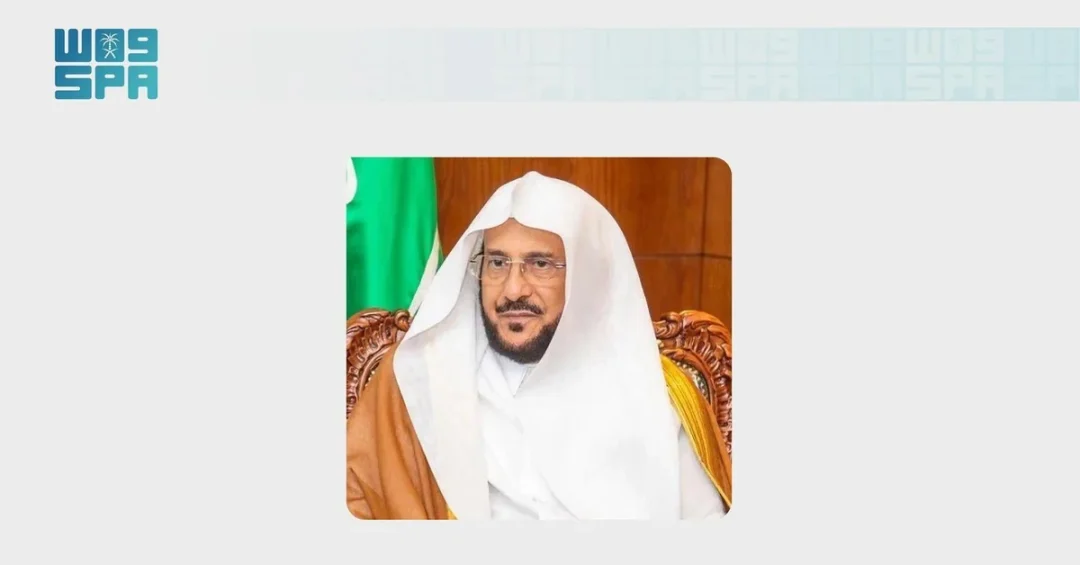
The Saudi Ministry of Islamic Affairs, Dawah and Guidance has concluded the final qualifiers of the 46th edition of the King Abdulaziz International Competition for the Memorization, Recitation and Exegesis of the Holy Quran. The announcement was made via the Saudi Press Agency (SPA) on August 14, 2026. The six-day competition in Mecca saw 334 participants from 133 countries compete before male and female judging panels, marking a historic milestone as women participated for the first time in the competition’s history.
Context and Background
The King Abdulaziz International Competition, held annually under the patronage of the Saudi leadership, is one of the oldest and most prestigious Quranic competitions worldwide. This year’s edition introduced significant advancements, including a developed electronic evaluation and scoring system designed to enhance accuracy, transparency, and efficiency. The competition took place in the holy city of Mecca, with male contestants reciting at the Grand Mosque (Masjid Al-Haram) and female contestants at the competition’s headquarters. The total value of prizes reached 10.26 million Saudi riyals, a substantial increase reflecting the Kingdom’s commitment to honoring Quranic scholarship.
Key Details
The competition featured 50 winners, with five laureates in each of the five categories, spanning both male and female participants. Judging panels comprised specialists in Quranic sciences from various countries, ensuring a high standard of evaluation. Sheikh Dr. Abdullatif Al Alsheikh, Saudi Minister of Islamic Affairs, Dawah and Guidance and General Supervisor of national and international Quranic competitions, praised the leadership’s support and constant attention to the Holy Quran. He highlighted that the participation of 334 candidates from 133 countries, the introduction of female participation, the increased prize value, and the upgraded electronic evaluation system all demonstrate the competition’s continuous organizational and evaluative evolution.
Implications and Impact
The inclusion of women in the competition marks a significant step in Saudi Arabia’s ongoing social modernization, aligning with the Kingdom’s broader reforms under Vision 2030. The development of the electronic evaluation system enhances the credibility and global appeal of the competition, attracting more international participants. The high number of participating countries underscores Saudi Arabia’s role as a spiritual and cultural hub for the Islamic world. The competition fosters a global sense of community and highlights the peaceful, scholarly aspects of Islam, countering extremist narratives.
Vision 2030 Alignment
The King Abdulaziz International Competition exemplifies Saudi Arabia’s commitment to preserving Islamic heritage while embracing innovation and inclusivity. This aligns directly with Vision 2030’s goals of promoting a vibrant society rooted in Islamic values and supporting cultural and religious initiatives. The competition’s growth and modernization reflect the Kingdom’s dedication to quality of life and international engagement. The closing ceremony, scheduled for next Wednesday at the Grand Mosque, will honor the winners and further reinforce Saudi Arabia’s leading role in serving the Holy Quran and its global Muslim community.
20 Questions
Q1. What is the King Abdulaziz International Competition for the Holy Quran?
A1. It is an annual Quranic competition organized by Saudi Arabia’s Ministry of Islamic Affairs, Dawah and Guidance, focusing on memorization, recitation, and exegesis of the Holy Quran. It is one of the oldest and most prestigious international competitions in the Islamic world.
Q2. When did the 46th edition’s final qualifiers take place?
A2. The final qualifiers took place over six days in August 2026, concluding on August 14, as announced by the Saudi Press Agency. The exact start date was not specified in the source.
Q3. How many participants competed in the 46th edition?
A3. A total of 334 participants from 133 countries competed in the final qualifiers. This diverse participation underscores the competition’s global reach and significance.
Q4. Where were the qualifiers held?
A4. Male contestants recited at the Grand Mosque (Masjid Al-Haram) in Mecca, while female contestants performed at the competition’s headquarters. Both venues are in the holy city of Mecca, Saudi Arabia.
Q5. What was new in this edition?
A5. Notable changes included the first-ever participation of women, an enhanced electronic evaluation and scoring system for accuracy and transparency, and a higher total prize value exceeding 10 million riyals.
Q6. How many winners were announced?
A6. There were 50 winners, comprising both men and women. In each of the five competition categories, five winners were selected, ensuring a wide recognition of excellence.
Q7. What is the total prize value of the competition?
A7. The total prize value is 10.26 million Saudi riyals. This represents a significant investment in promoting Quranic knowledge and rewarding outstanding participants.
Q8. Who are the judges of the competition?
A8. Judges are specialists in Quranic sciences from various countries. This year, both male and female judging panels were formed, reflecting the competition’s inclusive approach.
Q9. What is the role of the Ministry of Islamic Affairs?
A9. The Ministry of Islamic Affairs, Dawah and Guidance organizes and oversees the competition, ensuring its smooth conduct and aligning it with Saudi Arabia’s religious and cultural objectives.
Q10. Who is Sheikh Dr. Abdullatif Al Alsheikh?
A10. He is the Saudi Minister of Islamic Affairs, Dawah and Guidance, and General Supervisor of Quranic competitions. He praised the leadership’s support and highlighted the competition’s achievements.
Q11. Why is female participation significant?
A11. It marks a historic first, demonstrating Saudi Arabia’s commitment to inclusive religious education under Vision 2030. It encourages women’s involvement in Quranic scholarship and reflects broader social reforms.
Q12. What improvements were made to evaluation?
A12. The competition introduced a developed electronic system for evaluation and scoring. This enhances precision, transparency, and efficiency, ensuring fair assessments of participants’ recitations.
Q13. How many categories are in the competition?
A13. There are five categories, likely covering different aspects of Quranic memorization, recitation, and exegesis. Each category has its own winners, with five winners per category.
Q14. What is the date of the closing ceremony?
A14. The closing ceremony is scheduled for next Wednesday following the announcement. It will be held at the Grand Mosque in Mecca, where winners will be honored.
Q15. How does the competition contribute to Saudi Arabia’s global image?
A15. It showcases Saudi Arabia as a leading custodian of Islamic heritage, promoting peace and scholarship. The international participation enhances cultural diplomacy and soft power.
Q16. What is the significance of holding the event at the Grand Mosque?
A16. The Grand Mosque is Islam’s holiest site, adding spiritual significance to the competition. It emphasizes Saudi Arabia’s role in serving pilgrims and Muslims worldwide.
Q17. How does the competition align with Vision 2030?
A17. Vision 2030 aims for a vibrant society rooted in Islamic values. The competition supports this by promoting religious education, technological innovation, and social inclusivity, including women’s participation.
Q18. What are the benefits of the electronic evaluation system?
A18. The system improves accuracy by reducing human error, ensures transparency in scoring, and increases efficiency in processing results. It also modernizes the competition’s operations.
Q19. How are winners selected?
A19. Winners are selected based on their performance in memorization, recitation quality, and exegesis, as judged by specialized panels. The electronic system assists in maintaining objective criteria.
Q20. What impact does the competition have on participants?
A20. Participants gain international recognition and financial rewards, while also enhancing their Quranic skills. The competition fosters a sense of global Islamic community and encourages continued study of the Holy Quran.
Reader Feedback
We value your thoughts. Please share your feedback on this article.
Your feedback helps us improve our coverage.