


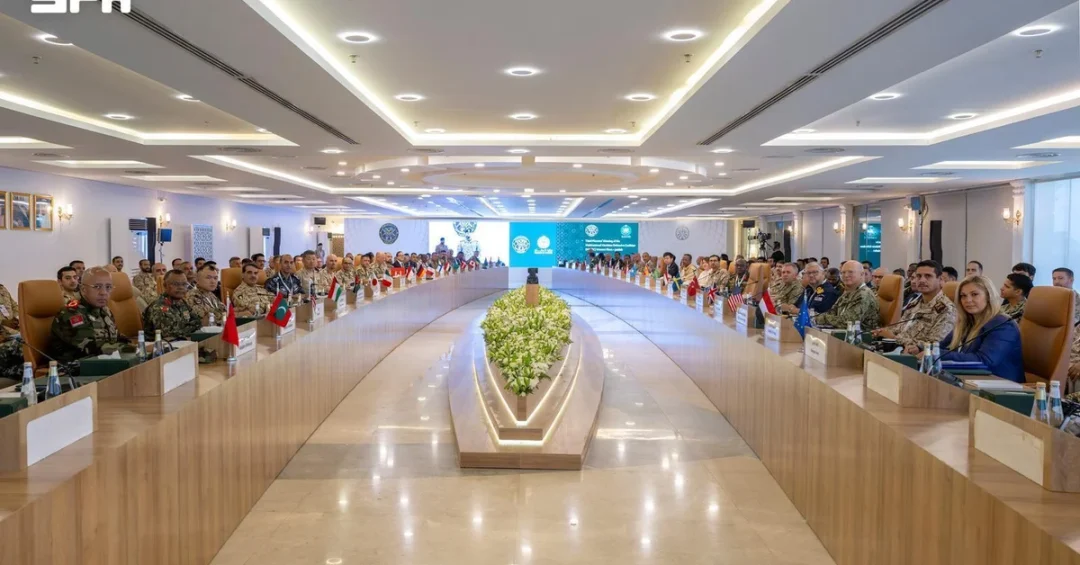
The third planning meeting of the Multinational Maritime Defense Coalition (MMDC) convened at the Western Fleet Command in Jeddah on Thursday, August 14, 2026, bringing together representatives from 39 countries to advance the coalition’s operational activation. The meeting, reported by the Saudi Press Agency (SPA), marks a significant milestone in the coalition’s transition from framework development to institutional and operational readiness.
Context and Background
The MMDC was established under the leadership of the Kingdom of Saudi Arabia to enhance collective maritime security, protect freedom of navigation, and safeguard global trade routes. The coalition’s formation reflects the growing recognition of maritime threats and the need for coordinated multinational responses to ensure stability in regional and international waters.
Of the 39 participating nations, 15 have signed the joint statement, while 13 have completed national procedures, signed the MMDC charter, and formally announced their accession. This marks the coalition’s effective transition into its institutional and operational activation phase, with remaining countries continuing their internal processes to join.
Key Details
The meeting finalized practical arrangements to activate the coalition’s multinational bodies and command structure. A commander from Saudi Arabia has been appointed, with Pakistan set to serve as deputy commander for the first term. The coalition’s headquarters, emblem, and organizational frameworks have been adopted, and reference manuals are being finalized to launch operations.
These arrangements pave the way for receiving participating officers and personnel from member states, integrating them into the joint command and staff structure, the joint maritime operations and coordination center, and the coalition intelligence center. This integration will accelerate the development of operational capabilities and enhance readiness for defense missions within the coalition’s area of responsibility.
Implications and Impact
The transition to this phase represents an advanced step in building a sustainable, multinational maritime defense coalition. By consolidating collective maritime security, the MMDC aims to protect freedom of navigation, secure maritime routes and straits, and support the continuity of international trade and global supply chains.
The coalition’s activation comes at a critical time when maritime security challenges, including piracy, smuggling, and geopolitical tensions, threaten global commerce. The participation of 39 countries underscores broad international commitment to upholding maritime law and ensuring safe passage for vessels.
As efforts shift from building frameworks to activation, the coalition is expected to enhance interoperability among member states’ naval forces, promote intelligence sharing, and conduct joint exercises to maintain operational readiness.
Vision 2030 Alignment
This advancement aligns with Saudi Arabia’s Vision 2030 objectives of strengthening international partnerships and enhancing the Kingdom’s role as a global leader in security and development. By hosting the coalition’s command in Jeddah, Saudi Arabia reinforces its commitment to regional stability and its strategic position as a maritime hub connecting three continents.
The MMDC’s activation also supports Vision 2030’s goal of diversifying the economy and ensuring a secure environment for investment and trade. Through this coalition, the Kingdom demonstrates leadership in collective security, contributing to peace and prosperity for the region and the world.
20 Questions
Q1. What is the Multinational Maritime Defense Coalition?
A1. The MMDC is a collective maritime security initiative led by Saudi Arabia, uniting 39 countries to protect freedom of navigation, secure sea routes, and support global trade through coordinated defense efforts.
Q2. Where and when did the third planning meeting take place?
A2. The meeting was held at the Western Fleet Command in Jeddah, Saudi Arabia, on Thursday, August 14, 2026, as reported by the Saudi Press Agency.
Q3. How many countries participated in the meeting?
A3. Representatives from 39 brotherly and friendly countries participated in the third planning meeting of the MMDC.
Q4. How many countries have signed the joint statement so far?
A4. Fifteen countries have signed the joint statement, while others are completing their national procedures to formalize their accession.
Q5. How many countries have completed national procedures and signed the MMDC charter?
A5. Thirteen countries have completed their national procedures, signed the charter, and formally announced their accession, marking the coalition’s operational activation.
Q6. Who has been appointed as the MMDC commander?
A6. The MMDC commander has been appointed from Saudi Arabia, reflecting the Kingdom’s leadership role in the coalition.
Q7. Which country will provide the deputy commander for the first term?
A7. Pakistan will provide the deputy commander for the coalition’s first term, as agreed during the planning phases.
Q8. What is the purpose of the MMDC?
A8. The coalition aims to solidify collective maritime security, protect freedom of navigation and maritime routes, and support international trade and global supply chains.
Q9. How does the MMDC contribute to regional stability?
A9. By enhancing maritime security cooperation, the coalition helps deter threats, reduce tensions, and ensure safe passage for commercial and naval vessels, contributing to overall regional stability.
Q10. What are the next steps for the coalition?
A10. The coalition will now focus on activating its command structures, integrating personnel and capabilities, and conducting joint operations to achieve operational readiness.
Q11. Where will the coalition command headquarters be located?
A11. The coalition command headquarters will be based in Jeddah, Saudi Arabia, at the Western Fleet Command, though further operational details are to be finalized.
Q12. How does the coalition plan to ensure operational readiness?
A12. By integrating officers from member states into joint command, maritime operations, and intelligence centers, as well as conducting coordinated training and planning.
Q13. What is the significance of the third planning meeting?
A13. The meeting finalized practical arrangements to activate the coalition’s multinational bodies, marking a shift from framework development to operational implementation.
Q14. How many countries are expected to join the coalition eventually?
A14. The coalition has 39 participating countries, and all are expected to complete national procedures to formally join, with 13 already having done so.
Q15. Does the coalition operate under international law?
A15. Yes, the coalition’s activities are conducted in accordance with its charter, reference documents, and international law, ensuring lawful maritime operations.
Q16. How does the MMDC protect freedom of navigation?
A16. Through coordinated patrols, intelligence sharing, and rapid response capabilities, the coalition deters threats and ensures safe passage for vessels in key maritime corridors.
Q17. What role does Saudi Arabia play in the coalition?
A17. Saudi Arabia leads the coalition, hosting the command headquarters and providing the commander, demonstrating its commitment to maritime security and Vision 2030 goals.
Q18. How does the coalition support global supply chains?
A18. By safeguarding sea routes used for international trade, the coalition helps ensure the uninterrupted flow of goods, thereby protecting global supply chains.
Q19. What challenges does the coalition aim to address?
A19. The coalition addresses threats such as piracy, smuggling, and potential disruptions to maritime traffic, which can impact global commerce and security.
Q20. How will the coalition’s activation impact the region?
A20. The activation is expected to enhance maritime security cooperation, foster stability, and signal collective resolve to protect shared interests, benefiting the region and the international community.
Reader Feedback
We value your thoughts. Please share your feedback on this article.
Your feedback helps us improve our coverage.