


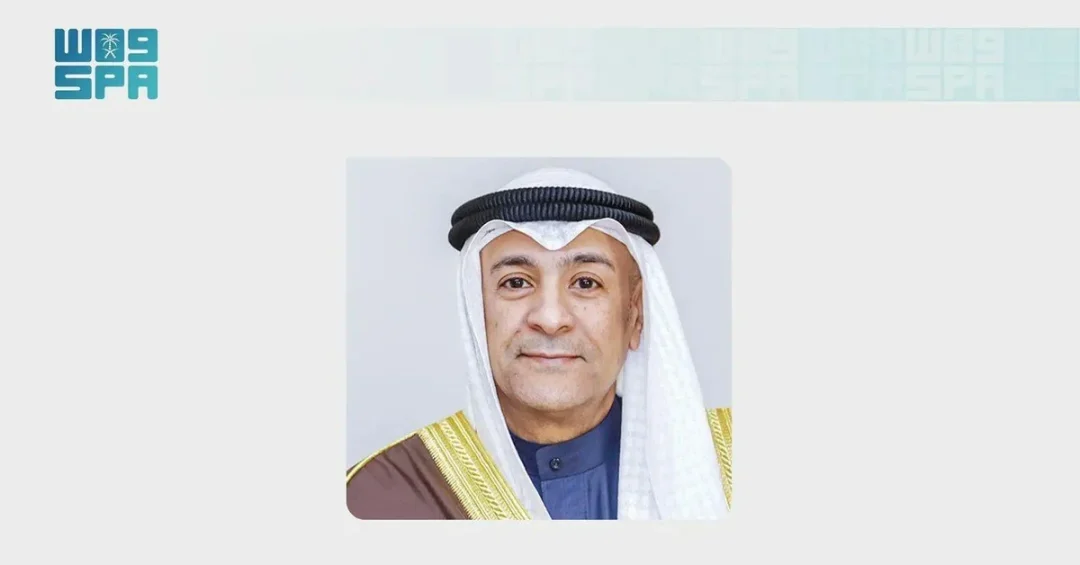
Gulf Cooperation Council (GCC) Secretary General Jasem AlBudaiwi has strongly condemned Iranian attacks on two UAE-flagged oil tankers belonging to ADNOC in the Strait of Hormuz, calling the assaults a dangerous escalation and a direct threat to maritime security and international trade. In a statement released via the Saudi Press Agency on August 14, 2026, AlBudaiwi emphasized that the attacks violate the UN Convention on the Law of the Sea and relevant Security Council resolutions, including Resolution 2817.
Context and Background
The Strait of Hormuz is one of the world’s most critical maritime chokepoints, with approximately 20% of global oil consumption passing through its waters. The attacks on the tankers occurred during their transit through the strait, an area that has seen heightened tensions in recent years. AlBudaiwi’s condemnation comes amidst ongoing efforts by Gulf states to ensure the free flow of energy resources and maintain regional stability, which are central to Saudi Arabia’s Vision 2030 goals of economic diversification and global integration.
Key Details
AlBudaiwi categorically rejected any Iranian attempts to use the vital international waterway as a tool for pressure and threats. He called on the international community to shoulder its responsibilities and adopt a firm stance to end these repeated attacks, ensuring the security and freedom of maritime navigation in accordance with international law. The GCC Secretary General also reaffirmed the bloc’s full solidarity with the United Arab Emirates and its support for all measures taken to protect the country’s security, sovereignty, and interests.
The attacks are seen as a serious breach of international norms and are expected to draw global condemnation. The GCC, which includes Saudi Arabia, the UAE, Bahrain, Kuwait, Oman, and Qatar, remains united in its commitment to safeguard regional security and prosperity.
Implications and Impact
The incident underscores the volatile nature of the Strait of Hormuz and its importance to the global economy. Any disruption to shipping in the strait could lead to oil price volatility and supply chain interruptions worldwide. Moreover, the attacks highlight the need for stronger international cooperation to protect maritime routes, a priority for GCC member states. The UAE has historically been a key player in maintaining maritime security in the region, and the GCC’s support reinforces a collective stance against threats to stability.
Vision 2030 Alignment
This incident reinforces the urgent need for regional stability as a cornerstone of Saudi Arabia’s Vision 2030, which aims to position the Kingdom as a global investment powerhouse and logistics hub. By supporting international maritime security, Saudi Arabia and the GCC are creating a safer environment for trade and investment, aligning with Vision 2030’s objectives of economic diversification and global partnership. The Kingdom’s commitment to upholding international law and backing its allies demonstrates its leadership in fostering peace and prosperity in the Middle East.
20 Questions
Q1. Who is Jasem AlBudaiwi?
A1. Jasem AlBudaiwi is the Secretary General of the Gulf Cooperation Council (GCC), a regional political and economic union that includes Saudi Arabia, the UAE, and other Gulf states.
Q2. What did AlBudaiwi condemn?
A2. He condemned the attacks by Iran on two oil tankers belonging to ADNOC, the Abu Dhabi National Oil Company, in the Strait of Hormuz.
Q3. When did the attacks occur?
A3. The attacks happened on August 14, 2026, though the exact time of the incidents was not specified in the statement.
Q4. Where did the attacks take place?
A4. The attacks took place in the Strait of Hormuz, a narrow waterway between Iran and the UAE that is vital for global oil shipping.
Q5. Why is the Strait of Hormuz important?
A5. The strait is a critical oil transit route, with about 20% of global oil passing through it, making it essential for international energy security.
Q6. What was the legal basis for the condemnation?
A6. AlBudaiwi cited the UN Convention on the Law of the Sea and Security Council Resolution 2817, which prohibit actions that threaten maritime security.
Q7. How did the GCC react to the attacks?
A7. The GCC, under AlBudaiwi’s leadership, expressed total solidarity with the UAE and supported its right to take measures to protect its security and interests.
Q8. What is the role of the UAE in this incident?
A8. The UAE is the affected country, as the tankers were part of ADNOC, and it received GCC backing in the aftermath of the attacks.
Q9. What are the implications for global oil markets?
A9. The attacks could lead to oil price volatility and supply disruptions, affecting global markets dependent on Gulf oil exports.
Q10. What is the GCC’s stance on maritime security?
A10. The GCC is committed to ensuring freedom of navigation and maritime security in the region, which is crucial for global trade.
Q11. How does this relate to Vision 2030?
A11. Vision 2030 aims to diversify Saudi Arabia’s economy and position it as a global logistics hub, which requires a stable and secure regional environment.
Q12. What did AlBudaiwi say about Iran’s actions?
A12. He described them as “brutal and repeated” attacks and a dangerous escalation, calling on the international community to respond firmly.
Q13. What is the response of the international community expected to be?
A13. The international community is expected to condemn the attacks and adopt a firm stance against threats to maritime security, per AlBudaiwi’s call.
Q14. Are there any historical precedents for such attacks?
A14. The Strait of Hormuz has seen previous incidents, but the specific attacks on ADNOC tankers are notable for their severity, though details are limited.
Q15. What is the significance of the UN Security Council Resolution 2817?
A15. Resolution 2817 is one of the international legal instruments that underscore the importance of maritime safety and security, and its violation is a serious concern.
Q16. How does this affect Saudi Arabia’s regional leadership?
A16. Saudi Arabia, as a key GCC member, supports the condemnation, reinforcing its role as a regional leader for stability and international law.
Q17. What measures might the UAE take to protect its interests?
A17. The UAE may enhance its maritime security protocols and seek diplomatic and military support from allies to deter future attacks.
Q18. How will this impact GCC-Iran relations?
A18. The attacks are likely to strain relations further, but the GCC’s primary focus is on ensuring security and stability, not on escalating conflict.
Q19. What is the role of the Saudi Press Agency in this story?
A19. The Saudi Press Agency (SPA) published the official statement, serving as a primary source for media outlets like ksa.com.
Q20. What should readers take away from this article?
A20. Readers should understand the gravity of the attacks and the GCC’s unified stand for maritime security, which is vital for global economy and aligns with Vision 2030’s goals.
Reader Feedback
We value your thoughts. Please share your feedback on this article.
Your feedback helps us improve our coverage.