


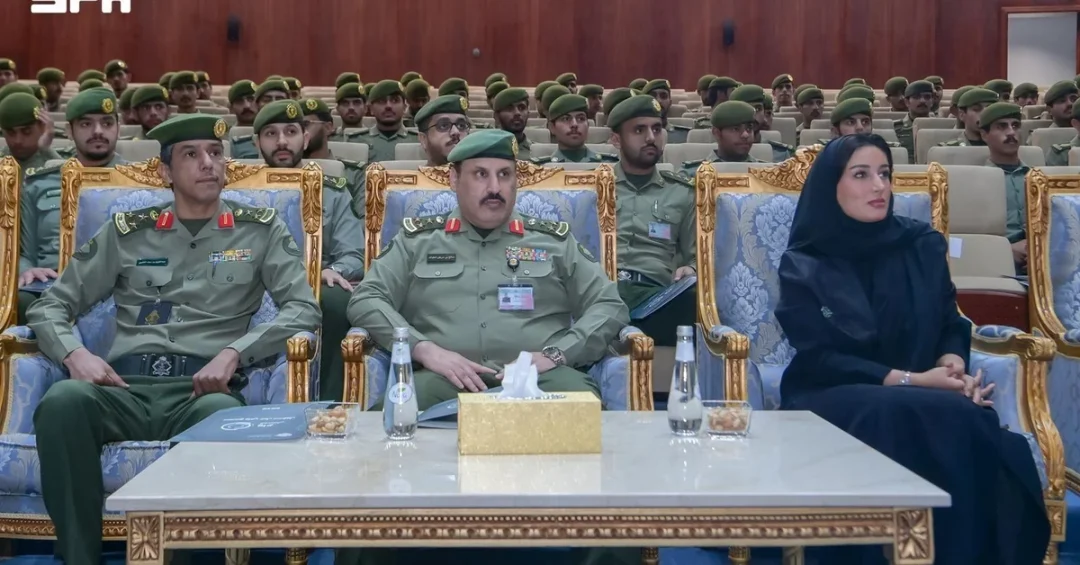
The General Directorate of Passports, in cooperation with the Saudi Banks Media and Awareness Committee, hosted a financial literacy workshop for its personnel in Riyadh on August 14, 2026, marking Financial Awareness Day. The event underscores the Kingdom’s commitment to enhancing the financial well-being of its workforce and aligns with broader national initiatives to promote financial culture and security.
Context and Background
This workshop is part of an ongoing partnership between the Ministry of Interior and the Saudi Banks Media and Awareness Committee, reflecting a collaborative approach to public education. The initiative supports Saudi Arabia’s Vision 2030, which emphasizes financial literacy as a cornerstone for economic development and individual empowerment.
Key Details
The workshop addressed critical financial concepts, including the importance of personal budgeting, saving, investment management, and safe financial transactions. These topics are essential for fostering sound financial decision-making and protecting personnel from potential risks.
The session was attended by employees of the Passports Directorate, providing them with practical knowledge to manage their finances effectively. The collaboration highlights the synergy between government entities and financial institutions in advancing the Kingdom’s human capital.
Implications and Impact
This initiative is expected to enhance the financial awareness of Passports Directorate staff, contributing to their personal and professional growth. Moreover, it demonstrates the Kingdom’s proactive approach to raising security and cyber awareness, mitigating technological fraud risks, and implementing joint awareness programs.
The partnership between the Ministry of Interior and the banking sector is a model for interagency cooperation, potentially inspiring similar programs across other government entities and reinforcing the culture of financial literacy nationwide.
Vision 2030 Alignment
By investing in the financial knowledge of its employees, the Passports Directorate is actively contributing to the realization of Vision 2030’s goal to build a thriving economy and a vibrant society. Such initiatives are crucial for developing a financially informed population, which is essential for the Kingdom’s sustainable development and global competitiveness.
20 Questions
Q1. What was the purpose of the financial literacy workshop?
A1. The workshop aimed to enhance financial awareness among Passports Directorate personnel, covering essential topics like budgeting, saving, and investment, in line with Financial Awareness Day and the Kingdom’s commitment to employee development.
Q2. Who organized the workshop?
A2. The General Directorate of Passports organized the workshop in cooperation with the Saudi Banks Media and Awareness Committee, highlighting the collaboration between the Ministry of Interior and the banking sector to promote financial education.
Q3. When and where did the workshop take place?
A3. The workshop took place in Riyadh on August 14, 2026, coinciding with Financial Awareness Day, a date dedicated to promoting financial literacy and sound financial practices.
Q4. What topics were covered in the workshop?
A4. The workshop addressed key financial concepts, including personal budgeting, saving strategies, investment management, and safe financial transactions, aimed at improving participants’ financial decision-making.
Q5. How does this initiative relate to Saudi Vision 2030?
A5. This initiative aligns with Vision 2030 by fostering financial literacy, which is essential for economic growth and diversification, and by empowering the workforce with skills for better financial management and security.
Q6. What is the role of the Saudi Banks Media and Awareness Committee?
A6. The Committee collaborates with government entities to raise financial and cyber awareness, and its partnership with the Passports Directorate underscores the banking sector’s commitment to public education and security enhancement.
Q7. Why is financial literacy important for Passports Directorate employees?
A7. Financial literacy helps employees make informed budgeting, saving, and investing decisions, improving their personal financial stability and reducing risks of fraud, thereby contributing to their overall well-being and productivity.
Q8. How does the workshop support the Ministry of Interior’s objectives?
A8. The workshop supports the Ministry’s goals to enhance employee skills and awareness, particularly in financial and cyber domains, aligning with broader efforts to strengthen institutional efficiency and security.
Q9. What are the expected outcomes of the workshop?
A9. Expected outcomes include increased financial knowledge among participants, better financial behavior, and a more informed workforce capable of making prudent financial decisions and recognizing potential threats.
Q10. Are there plans to extend such workshops to other departments?
A10. While not explicitly stated, the success of this initiative may inspire similar programs across other government entities, given the positive impact and alignment with national development goals.
Q11. How does this event contribute to raising cyber awareness?
A11. By including safe financial transactions in the curriculum, the workshop educates participants about online risks and promotes vigilance against cyber threats, complementing the Ministry’s efforts to mitigate fraud.
Q12. What is the significance of Financial Awareness Day?
A12. Financial Awareness Day is an opportunity to emphasize the importance of financial knowledge and highlight initiatives that empower individuals and institutions with the skills needed for economic stability and growth.
Q13. How does the partnership between the Passports Directorate and banks benefit the public?
A13. The partnership enhances the financial skills of government employees, who in turn provide better services to the public, and it exemplifies a collaborative model for improving national financial culture.
Q14. What is the role of the Ministry of Interior in this initiative?
A14. The Ministry of Interior partners with the Saudi Banks Media and Awareness Committee to implement joint awareness programs, ensuring that its personnel are equipped with essential financial and security knowledge.
Q15. How can financial literacy contribute to national economic development?
A15. Financial literacy fosters responsible financial behaviors, increases savings and investment, reduces debt, and promotes entrepreneurship, all of which are vital for diversifying the economy and achieving sustainable growth.
Q16. Are there any statistics on financial literacy in Saudi Arabia?
A16. The article does not provide specific statistics, but national surveys indicate ongoing efforts to improve financial literacy as part of Vision 2030’s human capital development.
Q17. What is the Saudi Banks Media and Awareness Committee?
A17. The Committee is an entity representing Saudi banks that focuses on public awareness about financial matters, including security, and collaborates with government bodies to promote best practices.
Q18. How does the workshop address safe financial transactions?
A18. The workshop educates participants on recognizing fraud, using secure payment methods, and protecting personal information, thereby reducing vulnerability to financial cybercrime.
Q19. What qualification do the workshop facilitators have?
A19. The facilitators are likely experts from the banking sector with specialized knowledge in financial planning and cyber security, ensuring credible and practical training for attendees.
Q20. Where can interested readers find more information about such initiatives?
A20. Readers can follow updates from the Saudi Press Agency and official Ministry of Interior channels for announcements about future workshops and awareness programs.
Reader Feedback
We value your thoughts. Please share your feedback on this article.
Your feedback helps us improve our coverage.