


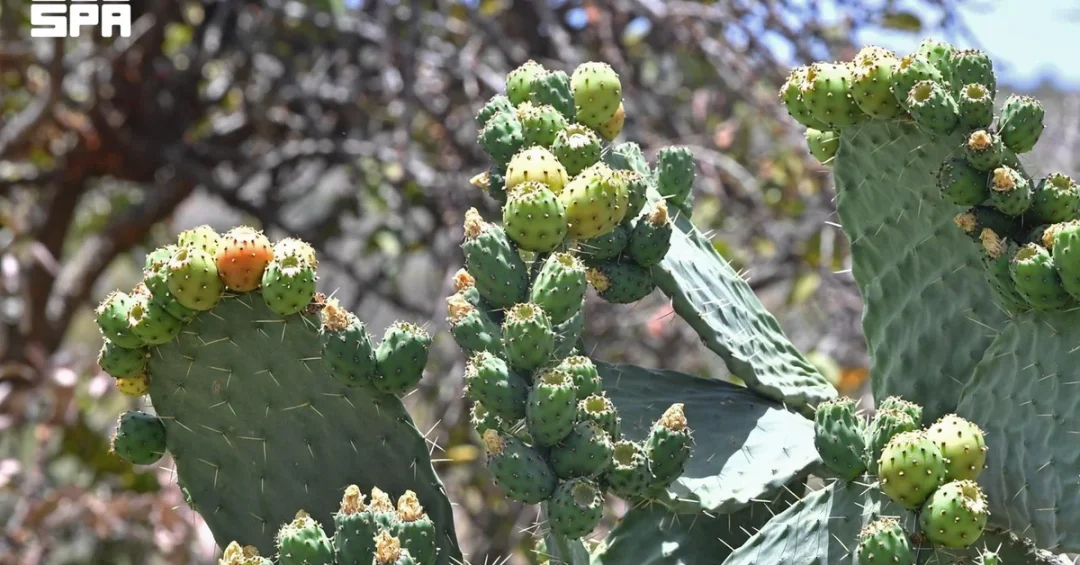
Abha, August 14, 2026, SPA — The prickly pear, known locally in the Asir region as “Barshoumi,” is making its seasonal comeback, adorning markets and sales points near tourist sites and roads leading to natural parks, drawing the attention of visitors and vacationers. This summer harvest not only adds a splash of color to the region’s landscape but also serves as a significant economic opportunity for farmers and rural families, while enhancing the presence of local agricultural products in the area’s tourism experience.
Context and Background
The prickly pear, scientifically known as Opuntia ficus-indica, thrives in arid climates, making it perfectly suited for the terraced slopes, valleys, and agricultural zones of the Asir region. Its cultivation is widespread, with the harvest season beginning in summer and extending into early autumn. This hardy plant has become a staple of local agriculture, reflecting the region’s commitment to sustainable farming practices.
Key Details
The fruits are available in various colors, including green, yellow, and red, each offering a unique flavor profile. Beyond its refreshing taste, the prickly pear is rich in essential nutrients such as dietary fiber, vitamin C, potassium, magnesium, and calcium, along with antioxidant plant compounds. This nutritional value adds to its appeal among health-conscious consumers and tourists alike.
Implications and Impact
The seasonal production provides a vital source of income for numerous farmers and producer families, especially with the surge in demand during summer holidays. The strategic placement of sales points near tourist attractions and natural parks ensures that visitors can easily access and enjoy this local delicacy, thereby boosting the rural economy and promoting the region’s agricultural heritage. The integration of local produce into the tourism experience also encourages sustainable economic development.
Vision 2030 Alignment
As Saudi Arabia advances toward the goals of Vision 2030, initiatives that support rural economies and agricultural sustainability are crucial. The cultivation and marketing of prickly pear in Asir exemplify the Kingdom’s commitment to diversifying the economy, empowering local communities, and promoting domestic products. This seasonal fruit is not just a culinary delight but a symbol of the region’s resilience and its integral role in the nation’s prosperous future.
20 Questions
Q1. What is the common name for prickly pear in the Asir region?
A1. The prickly pear is commonly known as “Barshoumi” in the Asir region, a local name that reflects the cultural identity and agricultural heritage of the area, as reported by the Saudi Press Agency.
Q2. When does the prickly pear harvest season occur in Asir?
A2. The harvest season for prickly pear in Asir begins during the summer months and extends until the early autumn, providing a lengthy period for collection and sale of the fruit.
Q3. Why is the prickly pear well-suited to the Asir region’s climate?
A3. The prickly pear is highly adaptable to arid climatic conditions, making it ideally suited for the terraced slopes, valleys, and agricultural zones that characterize the Asir region.
Q4. What colors do the prickly pear fruits come in?
A4. The fruits of the prickly pear are available in several colors, including green, yellow, and red, which add to their visual appeal and attract consumers at markets.
Q5. What are the nutritional benefits of prickly pear?
A5. Prickly pear is rich in dietary fiber, vitamin C, potassium, magnesium, and calcium, and contains plant compounds with antioxidant properties, contributing to a healthy diet.
Q6. How does the prickly pear season impact local farmers?
A6. The season creates a valuable source of seasonal income for farmers and producer families, particularly as demand increases during summer holidays, helping to support their livelihoods.
Q7. Where are sales points for prickly pear typically located?
A7. Sales points are located near tourist sites and along roads leading to natural parks, making it convenient for visitors to purchase and enjoy the fresh fruit.
Q8. How does the prickly pear contribute to the tourism experience in Asir?
A8. The presence of prickly pear in markets and recreational spots enhances the tourism experience by offering local agricultural products and showcasing the region’s cultural and culinary heritage.
Q9. What role does the prickly pear play in the rural economy?
A9. The cultivation and sale of prickly pear support rural families by providing seasonal income and promoting local products, thereby strengthening the economic activity in rural areas.
Q10. In which areas of Asir is prickly pear cultivation widespread?
A10. Its cultivation is spread across multiple slopes, valleys, and agricultural zones in Asir, reflecting its adaptability and the region’s agricultural diversity.
Q11. How long does the prickly pear harvest last?
A11. The harvest begins in summer and continues until the start of autumn, ensuring a steady supply of fresh fruits for several months.
Q12. What are the main vitamins found in prickly pear?
A12. Prickly pear contains vitamin C, along with magnesium, potassium, and calcium, all of which are essential for maintaining good health.
Q13. Why are local agricultural products important for visitors?
A13. They offer an authentic taste of the region’s produce, allowing visitors to connect with the local culture and environment, and contribute to the economy.
Q14. How does the prickly pear reflect the agricultural heritage of Asir?
A14. Its cultivation and presence in the landscape highlight the traditional farming practices and the region’s ability to utilize natural resources effectively.
Q15. What compounds with antioxidant properties are found in prickly pear?
A15. Prickly pear contains various plant compounds, such as betalains and flavonoids, which have antioxidant properties that help protect cells from damage.
Q16. How does the demand for prickly pear change during summer?
A16. Demand increases during summer holidays as locals and tourists seek refreshing and healthy snacks, boosting sales and benefiting producers.
Q17. What is the significance of the name “Barshoumi”?
A17. The name “Barshoumi” reflects the local linguistic heritage and cultural identity of the Asir region, adding a distinctive character to the fruit.
Q18. How does the sale of prickly pear promote rural products?
A18. By selling the fruit in markets and tourist spots, local producers gain visibility, encouraging the consumption and appreciation of rural products.
Q19. What role do routes and parks play in the prickly pear trade?
A19. Roads leading to natural parks and tourist sites serve as prime locations for sales stalls, ensuring high visibility and accessibility for potential buyers.
Q20. How does the prickly pear support economic development in Asir?
A20. By generating income for farmers and creating opportunities for local commerce, the prickly pear contributes to the diversification and sustainability of the region’s economy, aligning with national goals.
Reader Feedback
We value your thoughts. Please share your feedback on this article.
Your feedback helps us improve our coverage.