


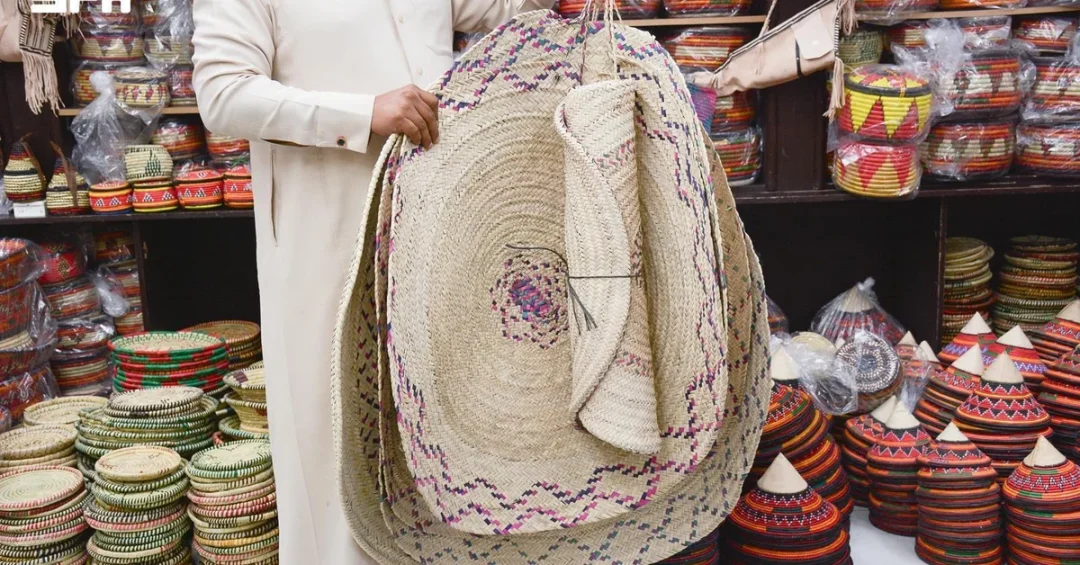
Najran, August 15, 2026, SPA — The traditional craft of palm leaf weaving in the Najran region remains a treasured artisanal practice, showcasing the skill of local craftsmen in transforming palm fronds and natural fibers into versatile everyday products, including mats, baskets, cushions, hand fans, and ropes. This heritage craft, deeply rooted in the region’s culture, continues to thrive in the historic market of the Aba Al-Saud district, where shops display a variety of intricately woven items that blend heritage with modern design.
Context and Background
Palm leaf weaving, known locally as ‘al-sa’f’, has been practiced for centuries in Najran, a region in southern Saudi Arabia renowned for its abundant palm groves. The craft has been passed down through generations, with artisans honing their skills to create both functional and decorative items. In the bustling marketplace of Aba Al-Saud, visitors can observe artisans at work, meticulously selecting and preparing palm fronds before weaving them into intricate patterns and vibrant colors. This craft not only preserves cultural identity but also provides economic opportunities for local families, particularly women who have become skilled weavers.
Key Details
Artisans emphasize that palm leaf weaving demands precision and patience. The process begins with the careful selection and preparation of palm leaves, which are then dried and dyed using natural or synthetic colors. The leaves are woven into various forms, each requiring specific techniques. For instance, making a simple mat can take several hours, while more complex items like cushions or decorative baskets may require days of meticulous work. Several craftswomen noted that they inherited this craft from their mothers and grandmothers, and they have improved their techniques to produce modern items while maintaining authenticity. The market’s shops offer a range of products, from traditional floor mats to contemporary handbags and lampshades, appealing to both locals and tourists.
Implications and Impact
The revival and promotion of palm leaf weaving in Najran align with Saudi Arabia’s broader efforts to preserve intangible cultural heritage and support local industries. The craft provides a sustainable source of income for artisans, many of whom are women, thereby contributing to community empowerment and economic diversification. Additionally, the presence of these handcrafted items in historical markets attracts cultural tourism, boosting the local economy. The Saudi Ministry of Culture has recognized the importance of such crafts, including them in national heritage programs and festivals, which helps raise awareness and ensure the transmission of skills to younger generations.
Vision 2030 Alignment
The preservation and promotion of palm leaf weaving directly support Saudi Vision 2030’s goals of celebrating national heritage, empowering local communities, and diversifying the economy. By fostering traditional crafts, Saudi Arabia aims to enhance the quality of life for its citizens, create new economic opportunities, and showcase its rich cultural identity to the world. As the Kingdom continues to develop its cultural and tourism sectors, crafts like palm leaf weaving in Najran will play a vital role in connecting Saudis with their heritage and presenting the authentic spirit of the nation to international visitors.
20 Questions
Q1. What is the traditional craft of palm leaf weaving in Najran?
A1. Palm leaf weaving is a traditional craft in Najran where artisans transform palm fronds and natural fibers into functional and decorative items such as mats, baskets, cushions, fans, and ropes.
Q2. Where is this craft commonly practiced?
A2. The craft is practiced in the Najran region, particularly in the historic market of Aba Al-Saud district, where shops display a variety of handwoven items.
Q3. What products are made through palm leaf weaving?
A3. Products include mats, baskets, cushions, hand fans, and ropes, as well as more modern items like handbags and lampshades.
Q4. How long does it take to create a palm leaf mat?
A4. A simple mat can take several hours to make, while more complex items like cushions or decorative baskets may take several days.
Q5. What skills are required for palm leaf weaving?
A5. The craft requires precision and patience, starting with careful selection and preparation of palm leaves, followed by weaving into various forms and colors.
Q6. How has the craft been passed down through generations?
A6. Many artisans, especially women, have inherited the craft from their mothers and grandmothers, improving techniques over time.
Q7. What is the significance of palm leaf weaving to cultural identity?
A7. It preserves authentic cultural identity and showcases the deep connection between Najran’s residents and their natural environment.
Q8. How does palm leaf weaving contribute to the local economy?
A8. It provides income for artisans and attracts cultural tourism, boosting the local economy.
Q9. What role do women play in this craft?
A9. Women are skilled craftswomen who have contributed significantly to the craft, producing modern items while preserving tradition.
Q10. Are there any modern adaptations of traditional palm leaf products?
A10. Yes, artisans create contemporary items such as handbags and lampshades, blending heritage with modern design.
Q11. How does the Saudi Ministry of Culture support this craft?
A11. The Ministry includes such crafts in national heritage programs and festivals, raising awareness and ensuring skill transmission.
Q12. What is the historical significance of palm leaf weaving in Saudi Arabia?
A12. Palm leaf weaving has been practiced for centuries, reflecting the resourcefulness and craftsmanship of Saudi communities.
Q13. Why is the Aba Al-Saud market important for this craft?
A13. The historic market serves as a hub where artisans sell their products, attracting both locals and tourists.
Q14. What does the craft of palm leaf weaving symbolize for Vision 2030?
A14. It symbolizes the celebration of national heritage, community empowerment, and economic diversification.
Q15. How does palm leaf weaving help preserve the environment?
A15. The craft uses natural fibers from palm trees, promoting sustainable use of local resources.
Q16. Are there any festivals or events that showcase palm leaf weaving?
A16. Yes, the Ministry of Culture and other organizations hold festivals and heritage events where crafts are displayed and demonstrated.
Q17. What challenges do palm leaf weavers face today?
A17. Challenges include competition from mass-produced goods and the need to attract younger generations to learn the craft.
Q18. How can tourists participate in palm leaf weaving experiences?
A18. Tourists can visit markets and workshops in Najran to observe artisans and sometimes try their hand at weaving under guidance.
Q19. What is the future outlook for palm leaf weaving in Najran?
A19. With growing interest in heritage crafts and tourism, the future looks promising, with potential for innovation and expansion.
Q20. How does this craft reflect Saudi Arabia’s cultural richness?
A20. It demonstrates the Kingdom’s diverse cultural heritage and the skills of its people, which Vision 2030 aims to preserve and promote.
Reader Feedback
We value your thoughts. Please share your feedback on this article.
Your feedback helps us improve our coverage.