


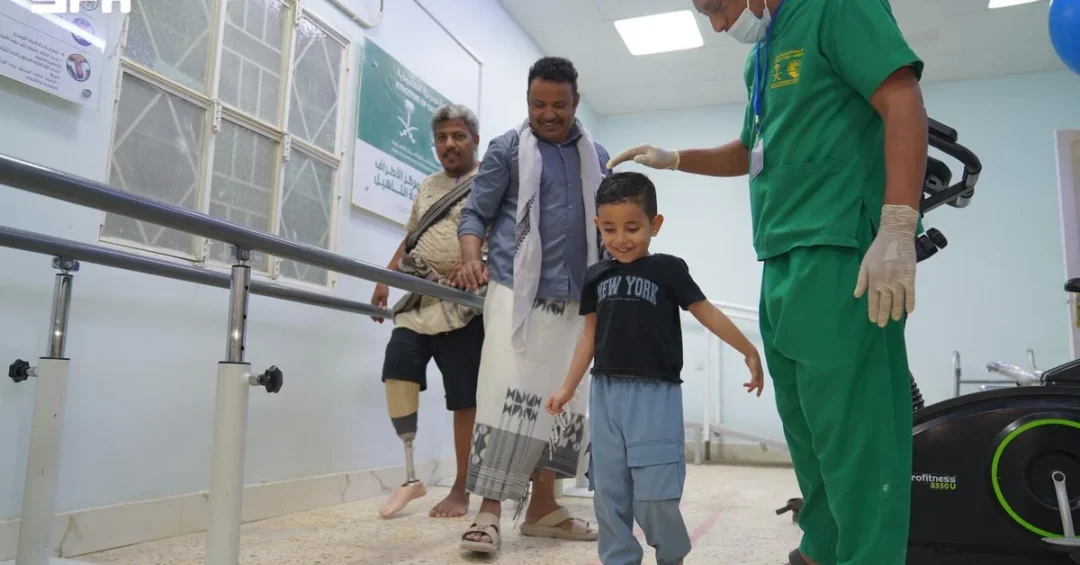
In July 2026, the Prosthetics and Rehabilitation Center in Seiyun, Hadramout Governorate, provided medical services to 705 Yemeni beneficiaries. This was supported by the King Salman Humanitarian Aid and Relief Centre (KSrelief), according to the Saudi Press Agency on August 15, 2026. The project delivered 2,318 services, including the fabrication, fitting, and rehabilitation of prosthetics, physiotherapy sessions, and specialized consultations. Men comprised 60% of beneficiaries, women 40%, while displaced persons accounted for 17% and residents 83%.
Context and Background
Yemen has faced a protracted humanitarian crisis, with many civilians suffering from injuries and disabilities requiring prosthetic care. The center in Seiyun is a vital facility in Hadramout, offering essential services to a population with limited access to specialized medical care. KSrelief, Saudi Arabia’s humanitarian arm, has been instrumental in funding and supporting health projects across Yemen, reflecting the Kingdom’s longstanding commitment to alleviating suffering in the region.
Key Details
The project underscores the scale of KSrelief’s health interventions in Yemen. In July alone, the center provided a substantial number of services, highlighting the high demand for prosthetic and rehabilitation services. The facility focuses on restoring mobility and improving the quality of life for beneficiaries through comprehensive care, including prosthetics, physiotherapy, and consultations. The gender breakdown (60% male, 40% female) indicates inclusive service delivery, while the significant proportion of displaced persons (17%) demonstrates the project’s reach to vulnerable populations.
Implications and Impact
This initiative significantly impacts the health and well-being of Yemeni beneficiaries, enabling them to reintegrate into society and lead more productive lives. By supporting such projects, Saudi Arabia strengthens its role as a leading humanitarian donor in Yemen, fostering goodwill and stability. The project also aligns with international efforts to address the health crisis in Yemen, emphasizing the importance of rehabilitation services in conflict-affected areas.
Vision 2030 Alignment
Saudi Arabia’s Vision 2030 emphasizes the Kingdom’s role as a global humanitarian leader, with KSrelief serving as a key instrument in delivering aid worldwide. This project exemplifies the Kingdom’s commitment to humanitarian principles and its proactive approach to international solidarity. As Saudi Arabia continues to expand its humanitarian footprint, initiatives like the Hadramout center will remain integral to promoting stability and supporting vulnerable communities, reinforcing the Kingdom’s pivotal role in regional and global affairs.
20 Questions
Q1. What is the Prosthetics and Rehabilitation Center in Seiyun?
A1. It is a medical facility in Hadramout Governorate, Yemen, that provides prosthetic devices, rehabilitation services, physiotherapy, and consultations to people with disabilities. It is supported by KSrelief, Saudi Arabia’s humanitarian aid agency.
Q2. How many beneficiaries received services in July 2026?
A2. A total of 705 Yemeni beneficiaries received medical services at the center in July 2026, as reported by the Saudi Press Agency on August 15, 2026.
Q3. What types of services were provided?
A3. The center provided 2,318 services, including the fabrication, fitting, and rehabilitation of prosthetics, as well as physiotherapy sessions and specialized consultations.
Q4. What is the gender distribution of beneficiaries?
A4. Men made up 60% of the beneficiaries, while women accounted for 40%.
Q5. What percentage of beneficiaries were displaced persons?
A5. Displaced persons represented 17% of the beneficiaries, while residents comprised 83%.
Q6. Who funded this project?
A6. The project is funded by the King Salman Humanitarian Aid and Relief Centre (KSrelief), which represents Saudi Arabia’s humanitarian efforts worldwide.
Q7. Where is the center located?
A7. The center is located in the city of Seiyun, within the Hadramout Governorate of Yemen.
Q8. Why is this project important?
A8. It addresses the urgent need for prosthetic and rehabilitation services in Yemen, where many people have suffered injuries due to conflict. The project helps restore mobility and improves the quality of life for beneficiaries.
Q9. How does this project align with Saudi Arabia’s humanitarian role?
A9. Saudi Arabia, through KSrelief, has been a major donor to Yemen, providing essential health and aid services. This project demonstrates the Kingdom’s commitment to alleviating suffering in crisis-affected regions.
Q10. What is the goal of the center?
A10. The goal is to provide comprehensive prosthetic and rehabilitation care, including the manufacture and fitting of prosthetics, physiotherapy, and consultations, to help beneficiaries regain independence and dignity.
Q11. How many services were provided in total?
A11. A total of 2,318 services were provided at the center during July 2026.
Q12. Are women specifically targeted by this project?
A12. The project serves both men and women, with women constituting 40% of the beneficiaries, ensuring inclusive access to healthcare services.
Q13. What is KSrelief?
A13. The King Salman Humanitarian Aid and Relief Centre (KSrelief) is Saudi Arabia’s official humanitarian organization, established in 2015 to coordinate aid efforts in countries facing crises.
Q14. How does the project support displaced persons?
A14. By providing essential medical services to displaced persons, the project helps meet the needs of vulnerable populations who often lack access to healthcare due to displacement.
Q15. What is the significance of physiotherapy in this project?
A15. Physiotherapy is crucial for the rehabilitation of patients with prosthetics, helping them adapt to new limbs, improve mobility, and regain functional independence.
Q16. Does the project include consultations?
A16. Yes, specialized consultations are part of the services provided, allowing patients to receive expert medical advice on their conditions.
Q17. How often does the center provide services?
A17. The center operates continuously, with services provided on a monthly basis. The July 2026 report highlights the sustained operations of the project.
Q18. What is the long-term impact of this project?
A18. By restoring mobility and health to individuals, the project enables them to participate in society and the economy, contributing to the overall stability and recovery of Yemen.
Q19. How does this project reflect Saudi Arabia’s Vision 2030?
A19. Vision 2030 emphasizes Saudi Arabia’s role as a global humanitarian leader, and projects like this showcase the Kingdom’s commitment to international solidarity and supporting those in need.
Q20. Where was this information published?
A20. The information was published by the Saudi Press Agency (SPA), the official news agency of Saudi Arabia, on August 15, 2026.
Reader Feedback
We value your thoughts. Please share your feedback on this article.
Your feedback helps us improve our coverage.