


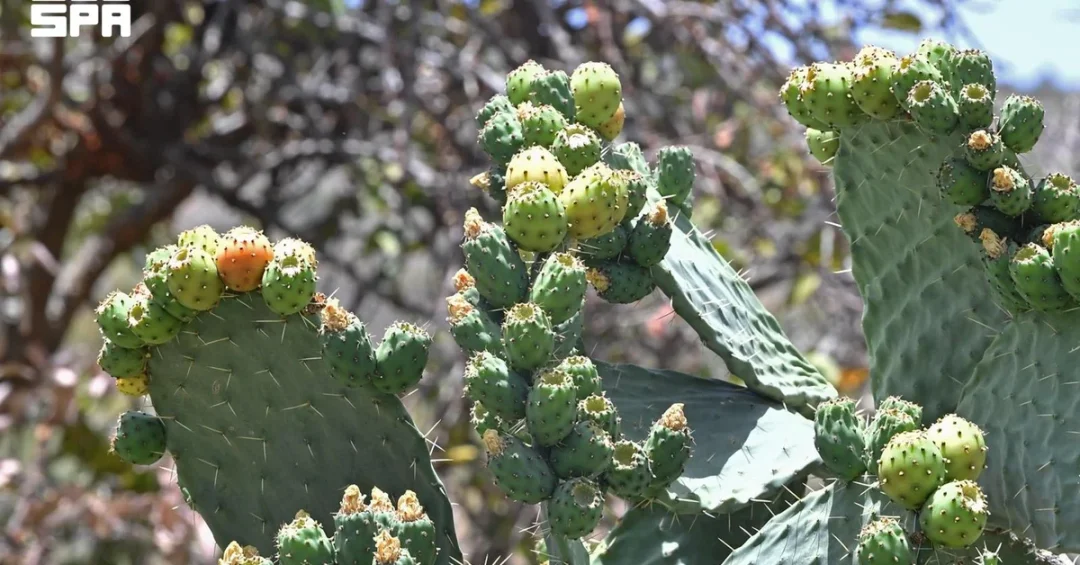
Asir’s iconic ‘Bershomi’ fruit returns to markets and tourist hotspots as its harvest season begins, boosting the region’s rural economy and enriching the visitor experience. The prickly pear, locally known as ‘Bershomi’ in the Asir region of Saudi Arabia, has made its seasonal reappearance in markets, retail outlets near tourist attractions, and along routes leading to leisure destinations. This vibrant fruit has become a hallmark of the summer season in Asir, drawing both locals and tourists to savor its unique flavor and cultural significance.
Context and Background
The Bershomi fruit, a type of cactus pear, thrives in the arid climate of the Asir highlands, where it has been cultivated for generations. Agricultural researcher Engineer Hamed Al-Wadei, a specialist in crop science, explains that the prickly pear belongs to the succulent family of cacti and is renowned for its ability to withstand dry conditions. The fruit comes in a variety of shapes and colors, ranging from green to yellow, orange, and red, with some rarer varieties exhibiting darker hues.
In recent years, the Saudi government has placed a strong emphasis on promoting agricultural heritage and rural development as part of the Kingdom’s Vision 2030. By supporting local farmers and encouraging the cultivation of indigenous crops, the government aims to strengthen the economic resilience of rural communities while preserving traditional agricultural practices. The Bershomi season is a prime example of how such crops contribute to the socio-economic fabric of regions like Asir.
Key Details
The Bershomi fruit is more than just a seasonal delicacy; it is an integral part of Asir’s agricultural and tourism landscape. Orchards of the cactus can be found dotting the countryside, often nestled among villages and along mountainous roads, creating a picturesque backdrop for visitors. During harvest time, the fruit becomes a popular item in local markets and recreational areas, where it is sold fresh or prepared as juices, jams, and traditional sweets.
According to local reports, the presence of Bershomi in tourist areas has strengthened the connection between local agriculture and the tourism experience. Visitors can purchase the fruit directly from farmers, learning about its cultivation and cultural importance. This interaction not only provides an additional income stream for rural households but also enhances the authentic experience for tourists seeking a taste of Asir’s authentic heritage.
Implications and Impact
The seasonal return of Bershomi highlights the broader potential of local seasonal products to stimulate economic and tourism activities. By combining product quality, unique regional characteristics, and the appeal of the visitor experience, such crops can play a pivotal role in diversifying the rural economy beyond traditional farming. The integration of agriculture and tourism also supports the Kingdom’s efforts to create sustainable job opportunities and reduce the economic reliance on oil revenues.
For international visitors, the Bershomi fruit offers a glimpse into the culinary and cultural richness of Asir. It represents a shift towards value-added agricultural products that can be marketed not only locally but also to a global audience, aligning with the Kingdom’s ambitions to position itself as a leading tourist destination. The success of such initiatives may encourage further investment in agricultural innovation and rural infrastructure.
Vision 2030 Alignment
The story of Bershomi is reflective of Saudi Arabia’s broader Vision 2030, which aims to diversify the economy, promote sustainable development, and enhance the quality of life for all citizens. Through initiatives like the Agricultural Development Fund and the Quality of Life Program, the government is empowering rural communities to leverage their natural resources, preserve cultural heritage, and contribute to the nation’s long-term prosperity.
As the Bershomi season unfolds, it serves as a testament to the Kingdom’s commitment to fostering a resilient and knowledge-based economy. By celebrating local agricultural products, Saudi Arabia is not only preserving its traditions but also building a vibrant future where rural communities thrive and tourists from around the world can savor the authentic flavors of the Kingdom.
20 Questions
Q1. What is Bershomi?
A1. Bershomi is the local name for the prickly pear fruit in Saudi Arabia’s Asir region. It is a cactus pear known for its sweet taste and vibrant colors, ranging from green to red. It grows in arid conditions and is a popular summer fruit.
Q2. When is Bershomi harvested?
A2. Bershomi is typically harvested during the summer months, usually beginning around August. The exact timing can vary depending on weather conditions and altitude, but the season generally aligns with the hottest part of the year.
Q3. Where is Bershomi grown in Saudi Arabia?
A3. Bershomi is primarily grown in the Asir region, which is known for its mountainous terrain and relatively cooler climate. The fruit thrives in the highlands and is also cultivated in other southwestern regions of the Kingdom, such as Jazan and Al-Baha.
Q4. Why is Bershomi important to Asir’s economy?
A4. Bershomi is an important crop for Asir’s rural economy. It provides income for local farmers and sells in markets and tourist areas, boosting local trade. The fruit also attracts visitors, enhancing the region’s tourism appeal.
Q5. How does Bershomi support tourism in Asir?
A5. Bershomi is sold in markets near tourist spots and along routes to recreational sites, allowing visitors to taste a local product. This creates a unique experience, encouraging tourists to explore more of the region and spend money on local goods.
Q6. What are the nutritional benefits of Bershomi?
A6. Bershomi is rich in vitamins, especially vitamin C, and minerals such as magnesium and potassium. It is also high in fiber and antioxidants, making it a healthy addition to one’s diet, aiding digestion and boosting immunity.
Q7. How is Bershomi typically consumed?
A7. Bershomi is often eaten fresh, peeled and chilled. It can also be made into juices, jams, syrup, or even used in traditional desserts. In Asir, locals sometimes dry the fruit to preserve it for the off-season.
Q8. What role does Bershomi play in Vision 2030?
A8. Bershomi aligns with Vision 2030’s goals of promoting agricultural sustainability, supporting rural development, and diversifying the economy. By highlighting indigenous crops, the Kingdom showcases its natural treasures and encourages local entrepreneurship.
Q9. Is Bershomi available year-round?
A9. No, Bershomi is a seasonal fruit, typically available from August to September, although the exact duration can vary. Outside the season, it may be available as canned or dried products, but fresh fruit is limited.
Q10. Where can tourists buy Bershomi?
A10. Tourists can buy Bershomi at local markets in Asir, such as in Abha or Khamis Mushait, as well as at fruit stands along popular tourist routes. Some farms also offer pick-your-own experiences during the harvest season.
Q11. What are the different colors of Bershomi?
A11. Bershomi fruits can be green, yellow, orange, red, or even purple, depending on the variety. The color indicates ripeness and sweetness, with deeper reds often being sweeter.
Q12. How is Bershomi cultivated?
A12. Bershomi is a cactus plant that requires minimal water, making it well-suited for arid climates. It is typically propagated from cuttings and can thrive in rocky soil. Farmers prune the plants to encourage fruit production.
Q13. What other products are made from Bershomi?
A13. Besides fresh fruit, Bershomi is processed into jams, juices, nectars, and even alcoholic beverages in some non-Saudi markets, though in Saudi Arabia only non-alcoholic versions are made. The pads of the cactus are also used in some cuisines.
Q14. How does Bershomi contribute to food security?
A14. Bershomi is a hardy crop that can grow in harsh conditions, providing a reliable food source in areas with limited water. Its cultivation helps diversify local agriculture and reduce reliance on imported fruits.
Q15. Are there any festivals celebrating Bershomi?
A15. While there is no large-scale festival dedicated solely to Bershomi, the fruit is featured at local agricultural festivals and summer events in Asir. These gatherings showcase local produce and traditional crafts.
Q16. What is the best time to visit Asir for Bershomi?
A16. The best time to visit Asir for Bershomi is during August and early September, when the fruit is at its peak. This period also coincides with pleasant weather in the mountains, making it an ideal time for tourists.
Q17. How does Bershomi help rural women?
A17. In rural areas, women are often involved in processing Bershomi into jams or preserves, which they sell to raise income. Initiatives supporting rural women’s entrepreneurship have enabled them to market these products effectively, enhancing their economic independence.
Q18. What challenges do farmers face in growing Bershomi?
A18. Some challenges include fluctuations in market prices, competition from imported fruits, and limited access to modern processing facilities. Additionally, the fruit has a short shelf life, requiring efficient distribution to avoid spoilage.
Q19. How does the Saudi government support Bershomi farmers?
A19. The Ministry of Environment, Water and Agriculture provides research, technical support, and subsidies for farmers. Agricultural extension services educate growers on best practices, and government initiatives promote local products through marketing campaigns.
Q20. What is the future outlook for Bershomi?
A20. The future looks promising as interest in indigenous and organic products grows. With investment in agricultural technology and value-added processing, Bershomi could become a signature export from Asir, contributing further to the region’s economic growth.
Reader Feedback
We value your thoughts. Please share your feedback on this article.
Your feedback helps us improve our coverage.