


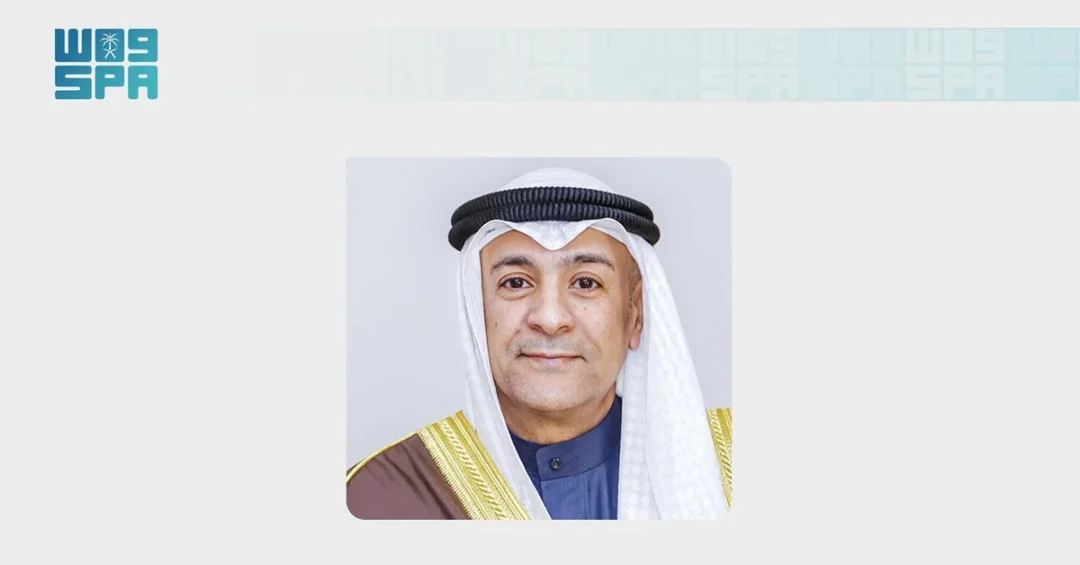
Secretary-General of the Gulf Cooperation Council (GCC) Jasem Albudaiwi strongly condemned the repeated Iranian attacks on UAE ADNOC tankers and commercial vessels in the Strait of Hormuz on August 15, 2026, calling them an unacceptable escalation and a grave violation of maritime security. In an official statement, Albudaiwi expressed the GCC’s full solidarity with the United Arab Emirates and urged the international community to pressure Iran to halt its hostile actions.
Context and Background
The Strait of Hormuz is a critical maritime chokepoint through which about a fifth of global oil supplies pass. Recent months have seen heightened tensions in the region, with Iran accused of targeting commercial shipping previously, including tankers linked to the UAE. The attacks on ADNOC tankers, belonging to the Abu Dhabi National Oil Company, represent a significant threat not only to the UAE’s economy but also to global energy security.
Key Details
In his statement, Albudaiwi underscored that the targeting of commercial vessels is a blatant violation of international law and threatens the safety of maritime navigation. He called on Iran to immediately cease all hostile actions that undermine regional stability and warned of the grave consequences of continued aggression. The GCC’s unequivocal support for the UAE was reiterated, reaffirming its commitment to protect the sovereignty and interests of member states.
Implications and Impact
The attacks have far-reaching implications for regional security and global energy markets. Any disruption in the Strait of Hormuz could lead to oil price volatility and supply chain disruptions worldwide. The GCC’s coordinated response underscores the unity of Gulf states against external threats, reinforcing their collective security framework. The international community’s role in pressuring Iran is critical to preventing further escalation and ensuring freedom of navigation.
Vision 2030 Alignment
Saudi Arabia, as a key GCC member, supports maritime security as part of its Vision 2030 strategy to diversify the economy and enhance regional stability. Secure sea lanes are vital for trade and energy exports, which underpin the Kingdom’s growth and global economic role. The GCC’s stance reflects a shared commitment to a stable and prosperous Gulf region, essential for achieving long-term development goals.
20 Questions
Q1. Who condemned the attacks on UAE tankers?
A1. The Secretary-General of the Gulf Cooperation Council, Jasem Albudaiwi, condemned the attacks on behalf of the GCC.
Q2. What was the nature of the attacks?
A2. The attacks targeted ADNOC tankers and commercial vessels in the Strait of Hormuz, described as repeated and hostile actions by Iran.
Q3. When did the statement occur?
A3. The statement was made on August 15, 2026, as reported by the Saudi Press Agency.
Q4. What did Albudaiwi call the attacks?
A4. He called them an unacceptable escalation and a grave violation of the security and safety of maritime navigation.
Q5. What did Albudaiwi demand from Iran?
A5. He demanded Iran immediately halt all hostile actions that threaten regional and global stability.
Q6. How did Albudaiwi describe the impact of the attacks?
A6. He said the attacks violate maritime security and pose a threat to the region and the world.
Q7. What is the role of the international community?
A7. Albudaiwi called on the international community to exert pressure on Iran to cease hostilities.
Q8. What is ADNOC?
A8. ADNOC is the Abu Dhabi National Oil Company, a major oil producer in the UAE.
Q9. Why is the Strait of Hormuz important?
A9. It is a vital maritime route for global oil shipments, making its security crucial for the world economy.
Q10. What support did the GCC express?
A10. The GCC expressed full and unwavering solidarity with the UAE and supported its measures to protect its security and sovereignty.
Q11. What does this incident indicate about regional tensions?
A11. It highlights ongoing tensions and the risk of escalation among Gulf states, particularly involving Iran.
Q12. How does this affect global energy markets?
A12. Potential disruptions in the strait could cause oil price spikes and supply uncertainties globally.
Q13. What is the GCC’s role in maritime security?
A13. The GCC coordinates collective defense and security policies, including protecting navigation routes.
Q14. What measures might the UAE take?
A14. The UAE may strengthen naval defenses, seek international support, or increase diplomatic pressure on Iran.
Q15. How does Saudi Arabia view this event?
A15. Saudi Arabia supports the GCC’s stance, aligning with its vision of regional stability and secure trade routes.
Q16. What are the legal implications of such attacks?
A16. Attacks on commercial shipping violate international maritime law, justifying potential legal action.
Q17. Could there be an impact on tourism in the region?
A17. Increased tensions might deter tourism, affecting economies that rely on the sector, though not directly mentioned.
Q18. What is the significance of ADNOC tankers?
A18. ADNOC tankers are vital for UAE oil exports, making them key assets and targets.
Q19. How does this relate to Vision 2030?
A19. Stable maritime security supports economic diversification and trade under Vision 2030, ensuring a favorable investment climate.
Q20. What is the expected next step?
A20. The GCC will likely intensify diplomatic efforts and coordinate with international partners to deter further attacks and safeguard maritime security.
Reader Feedback
We value your thoughts. Please share your feedback on this article.
Your feedback helps us improve our coverage.