


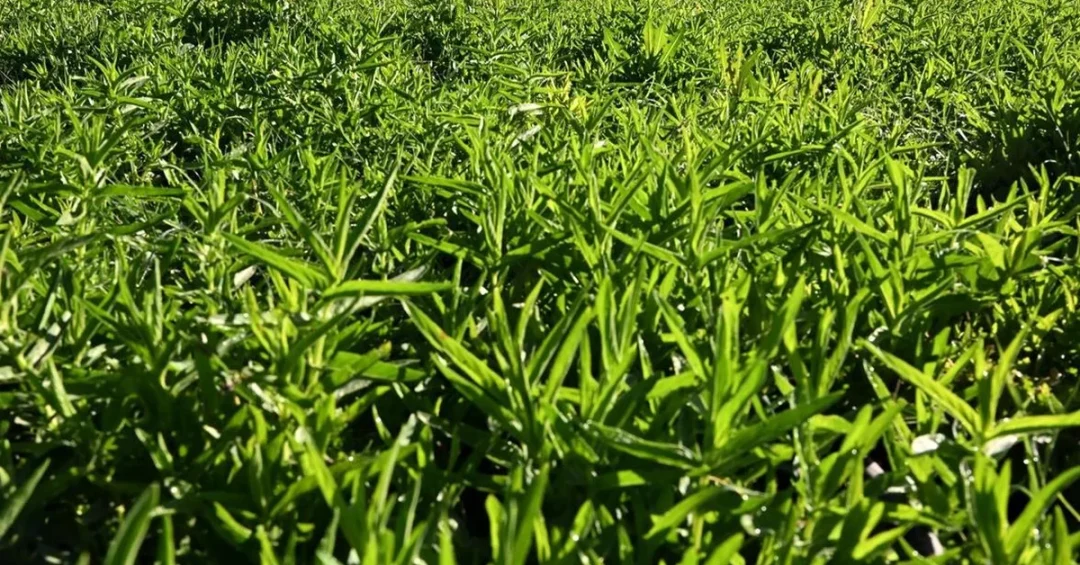
The Culinary Arts Commission has documented 35 products from Madinah as part of a list of 180 items featured in the “Ark of Taste” global initiative, an online registry established by the Slow Food Foundation that protects heritage food products, supports local producers, and promotes biodiversity and culinary traditions for future generations. This announcement, made via the Saudi Press Agency on August 15, 2026, highlights the diverse local food ingredients abundant in the Madinah region, and its distinctive agricultural and food products linked to the area’s history, culture, and inherited culinary practices.
Context and Background
The “Ark of Taste” initiative, run by the Slow Food Foundation, is a global online catalog that aims to preserve endangered foods and traditional food products. By featuring products from Madinah, the initiative underscores the region’s rich agricultural heritage and its role in preserving culinary traditions for future generations. This recognition aligns with Saudi Arabia’s broader efforts to promote its cultural identity and heritage, as part of the Kingdom’s Vision 2030 plan.
Key Details
The list of 35 Madinah products includes several local items such as Al-Ais wheat, Al-Ais Barni dates, Hasawi mint, Al-Fiqra mountain honey, Madinah hummus, Shurek bread, balsam, Madinah cabbage, and Madinah jujube (Nabq). These products reflect the region’s culinary and cultural heritage, showcasing its unique agricultural outputs and traditional food practices. The inclusion of these items in the “Ark of Taste” registry is part of efforts to promote local culinary traditions, highlight their cultural and economic value, and support local producers.
Implications and Impact
This recognition enhances the presence of Saudi products in international initiatives focused on food heritage and biodiversity. It helps raise awareness of the importance of protecting traditional food products and preserving the knowledge and practices associated with their production. By strengthening the sustainability of these products, the initiative supports their transmission to future generations, thereby reinforcing Madinah’s and Saudi Arabia’s culinary legacy on a global stage.
Vision 2030 Alignment
The inclusion of Madinah’s products in the “Ark of Taste” initiative directly supports Saudi Arabia’s Vision 2030, which emphasizes cultural preservation, sustainability, and economic diversification. By safeguarding traditional food products and promoting them internationally, the Kingdom is not only preserving its heritage but also contributing to its goals of becoming a global culinary destination and enhancing the quality of life for its citizens and visitors alike.
20 Questions
Q1. What is the “Ark of Taste” initiative?
A1. The “Ark of Taste” is an online registry established by the Slow Food Foundation to protect heritage food products, support local producers, and promote biodiversity and culinary traditions for future generations.
Q2. Who documented the 35 Madinah products?
A2. The Culinary Arts Commission, a Saudi cultural body, documented the 35 products from Madinah as part of the “Ark of Taste” list.
Q3. How many total products are featured in the list?
A3. The list includes a total of 180 products, of which 35 are from Madinah.
Q4. What types of products are included?
A4. The products include local food items such as Al-Ais wheat, Al-Ais Barni dates, Hasawi mint, Al-Fiqra mountain honey, Madinah hummus, Shurek bread, balsam, Madinah cabbage, and Madinah jujube (Nabq).
Q5. Why is the inclusion of these products significant?
A5. It highlights the diversity of local food ingredients in Madinah and its distinctive agricultural and food products linked to the region’s history, culture, and culinary practices.
Q6. How does the initiative benefit local producers?
A6. The initiative supports local producers by promoting their products, highlighting their cultural and economic value, and enhancing their presence in international platforms.
Q7. What is the goal of the “Ark of Taste”?
A7. The goal is to protect heritage food products, support local producers, and promote biodiversity and culinary traditions for future generations.
Q8. How does this align with Saudi Vision 2030?
A8. It supports Vision 2030’s goals of cultural preservation, sustainability, and economic diversification, and helps position Saudi Arabia as a global culinary destination.
Q9. What does the inclusion of Madinah products indicate?
A9. It indicates the region’s richness in traditional agricultural and food products and reinforces their presence as an important part of Saudi Arabia’s culinary legacy.
Q10. How does the initiative preserve traditional food products?
A10. It raises awareness of the importance of protecting traditional food products and preserving the knowledge and practices associated with their production.
Q11. What is the role of the Culinary Arts Commission?
A11. The Culinary Arts Commission documented the products and works to promote local culinary traditions in Saudi Arabia.
Q12. What are some examples of the Madinah products?
A12. Examples include Al-Ais wheat, Al-Ais Barni dates, Hasawi mint, Al-Fiqra mountain honey, Madinah hummus, Shurek bread, balsam, Madinah cabbage, and Madinah jujube (Nabq).
Q13. How does this initiative support sustainability?
A13. By promoting biodiversity and preserving traditional practices, the initiative strengthens the sustainability of these food products.
Q14. What is the significance of the “Ark of Taste” for future generations?
A14. It helps transmit knowledge and practices associated with traditional food production, ensuring their preservation for future generations.
Q15. How does this recognition impact Saudi Arabia’s global presence?
A15. It enhances the presence of Saudi products in international initiatives focused on food heritage and biodiversity, showcasing the Kingdom’s culinary legacy.
Q16. What is the role of the Slow Food Foundation?
A16. The Slow Food Foundation established the “Ark of Taste” initiative and manages the online registry.
Q17. How does this relate to culinary heritage?
A17. The list includes items that are linked to Madinah’s history, culture, and inherited culinary practices, highlighting the region’s culinary heritage.
Q18. What are the broader implications for Saudi cuisine?
A18. The recognition promotes local culinary traditions and supports the cultural and economic value of Saudi food products, enhancing their global recognition.
Q19. How can this initiative help local producers?
A19. It provides a global platform for local producers, increasing visibility and potential market opportunities.
Q20. What is the overall message of this inclusion?
A20. It highlights Madinah’s and Saudi Arabia’s rich culinary and agricultural heritage, aligning with the Kingdom’s commitment to preserving its cultural identity and supporting Vision 2030.
Reader Feedback
We value your thoughts. Please share your feedback on this article.
Your feedback helps us improve our coverage.