


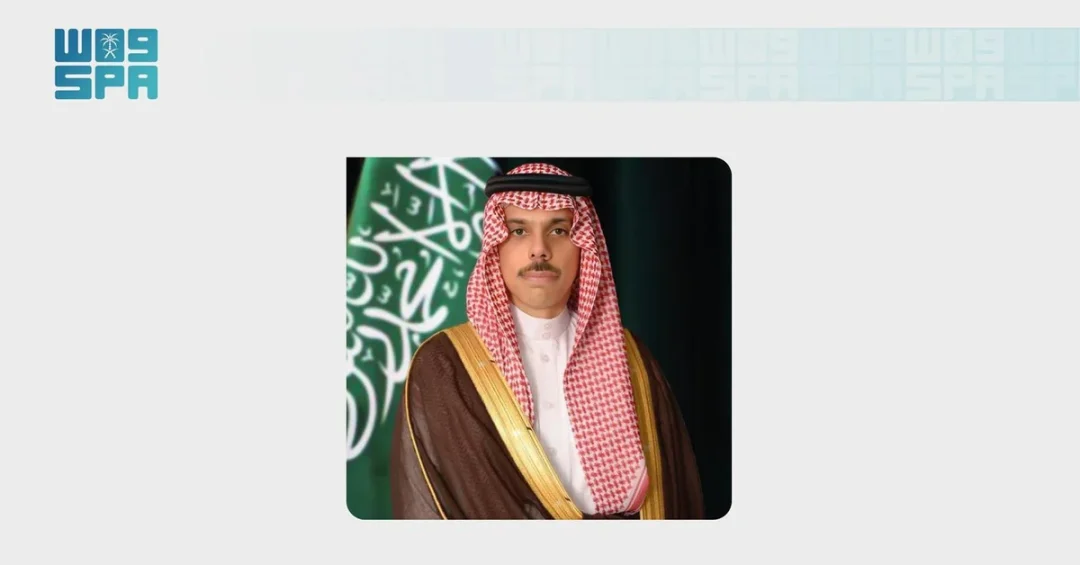
On August 16, 2026, Saudi Arabia’s Minister of Foreign Affairs, Prince Faisal bin Farhan bin Abdullah, held separate phone calls with the Prime Minister and Minister of Foreign Affairs of Qatar, Sheikh Mohammed bin Abdulrahman Al Thani, and the Minister of Foreign Affairs of Oman, Sayyid Badr bin Hamad bin Hamoud Albusaidi. The discussions, as reported by the Saudi Press Agency (SPA), focused on the latest regional developments and underscored the importance of continued coordination and consultation to strengthen diplomatic efforts aimed at maintaining security and stability in the region.
Context and Background
These high-level calls come at a time of dynamic geopolitical shifts in the Middle East, where proactive diplomacy is essential to address shared challenges and opportunities. Saudi Arabia, under its Vision 2030 framework, has consistently emphasized the importance of regional unity and collaborative security. The phone calls reflect the Kingdom’s ongoing commitment to fostering strong bilateral ties with its Gulf neighbors, Qatar and Oman, and to promoting a stable and prosperous region. By engaging directly with key regional leaders, Saudi Arabia reinforces its role as a pillar of diplomatic dialogue and conflict resolution.
Key Details of the Calls
During the conversations, Prince Faisal bin Farhan and his counterparts exchanged views on a range of regional matters, although specific details were not disclosed in the official statement. The emphasis on “continued coordination and consultation” highlights a mutual understanding that regular dialogue is vital for preempting crises and ensuring a unified approach to common interests. The calls also serve as a testament to the strong fraternal bonds between the Kingdom of Saudi Arabia and both Qatar and Oman, which have historically been characterized by mutual respect and a shared vision for the Gulf region’s future.
Implications for Regional Stability
The timing and nature of these calls carry significant implications. They signal a collective resolve to address regional security challenges through diplomatic means rather than confrontation. For international observers, such engagements demonstrate the Gulf states’ ability to manage their own affairs and contribute positively to global peace. Moreover, the inclusion of both Qatar and Oman in these consultations underscores Saudi Arabia’s inclusive approach to regional leadership, fostering an environment where all voices are heard and collaborative solutions are sought. This proactive diplomacy is likely to have a stabilizing effect, reassuring allies and partners of the region’s resilience.
Vision 2030 Alignment
These diplomatic efforts align perfectly with Saudi Arabia’s Vision 2030, which envisions a vibrant society, a thriving economy, and an ambitious nation. Central to this vision is the cultivation of strong international partnerships and a leadership role in regional affairs. By engaging in such high-level consultations, the Kingdom not only addresses immediate concerns but also lays the groundwork for long-term cooperation that supports sustainable development, economic diversification, and cultural exchange. As Saudi Arabia continues to implement its transformative agenda, consistent diplomatic outreach of this nature will be instrumental in achieving the ambitious goals set forth under Vision 2030, ensuring a secure and prosperous future for the Kingdom and the entire region.
20 Questions
Q1. What was the date of the phone calls?
A1. The phone calls took place on August 16, 2026, according to the Saudi Press Agency (SPA) report.
Q2. Who participated in the phone calls?
A2. Saudi Foreign Minister Prince Faisal bin Farhan held calls with Qatar’s PM and Foreign Minister Sheikh Mohammed bin Abdulrahman Al Thani, and Oman’s Foreign Minister Sayyid Badr bin Hamad Albusaidi.
Q3. What was the main topic of discussion?
A3. The discussions focused on the latest regional developments and the importance of coordination to maintain security and stability in the region.
Q4. Why are these calls significant?
A4. They underscore Saudi Arabia’s proactive role in regional diplomacy and its commitment to fostering strong ties with neighboring Gulf states.
Q5. How do these calls relate to Saudi Arabia’s Vision 2030?
A5. They align with Vision 2030 by promoting international cooperation and regional stability, which are essential for the Kingdom’s long-term transformation goals.
Q6. What is the role of the Saudi Press Agency in this context?
A6. SPA serves as the official Saudi news source, providing credible information about government activities and diplomatic engagements.
Q7. Did the calls result in any specific agreements?
A7. The official statement did not mention any specific agreements; the focus was on continued coordination and consultation.
Q8. How does Saudi Arabia typically engage with Qatar and Oman?
A8. Saudi Arabia maintains regular diplomatic engagement with both countries, reflecting strong fraternal ties and shared regional interests.
Q9. What is the importance of regional stability for Saudi Arabia?
A9. Regional stability is crucial for economic growth, foreign investment, and the security of the Kingdom and its partners.
Q10. Are there any historical precedents for such calls?
A10. Yes, Saudi Arabia frequently holds similar high-level consultations with regional leaders to address ongoing issues and strengthen diplomatic relations.
Q11. How does this news reflect Saudi Arabia’s global engagement?
A11. It shows Saudi Arabia’s active participation in global affairs, taking initiative to resolve issues and promote peace in the region.
Q12. What could be the expected outcomes of these calls?
A12. Positive outcomes could include enhanced cooperation on security measures and a unified regional approach to common challenges.
Q13. Who is Prince Faisal bin Farhan?
A13. He is Saudi Arabia’s Minister of Foreign Affairs, a key figure in implementing the Kingdom’s foreign policy and diplomatic initiatives.
Q14. What is the role of Qatar and Oman in this diplomatic context?
A14. As neighboring Gulf states, they play a crucial role in regional security and economic integration, making their cooperation vital.
Q15. How might this affect the Gulf Cooperation Council (GCC)?
A15. Such bilateral engagements strengthen the internal cohesion of the GCC, promoting unity and collective action.
Q16. Is there public information about the content of the discussions?
A16. No, the official statement only mentioned the topic in general terms; specific details were not disclosed.
Q17. What impact does this have on international perception of Saudi Arabia?
A17. It reinforces Saudi Arabia’s image as a responsible and proactive diplomatic leader committed to regional peace.
Q18. Could these calls lead to future summits or meetings?
A18. Possibly, such consultations often pave the way for further high-level meetings and collaborative projects among the Gulf states.
Q19. How does this news benefit the citizens of Saudi Arabia?
A19. It contributes to a more stable region, which directly supports the safety, prosperity, and long-term development plans for Saudi citizens.
Q20. Where can readers find more information about this topic?
A20. More details can be found on the Saudi Press Agency official website or through ksa.com’s coverage of Saudi diplomatic activities.
Reader Feedback
We value your thoughts. Please share your feedback on this article.
Your feedback helps us improve our coverage.