


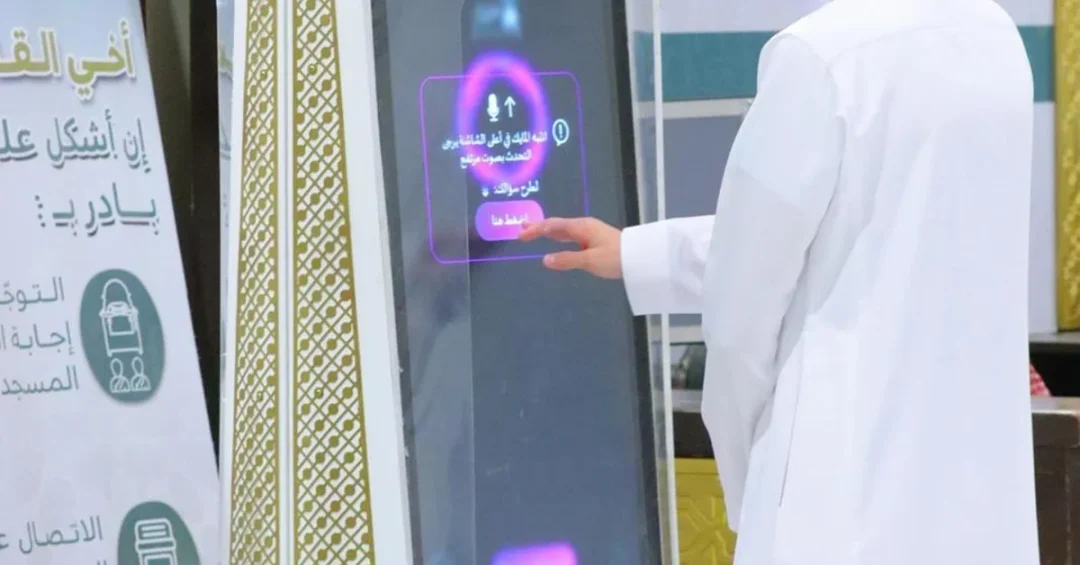
The General Authority for the Affairs of the Grand Mosque and the Prophet’s Mosque has implemented an advanced system of smart digital technologies and services to enhance the experience of visitors to the Two Holy Mosques. The initiative, announced via the Saudi Press Agency on August 17, 2026, aims to provide seamless access to religious, educational, and guidance services through multilingual technological solutions, prioritizing fast access, high-quality content, and a user-centric approach.
Context and Background
This digital transformation aligns with Saudi Arabia’s broader Vision 2030 goals of modernizing services for pilgrims and visitors. The authority, responsible for managing the Two Holy Mosques in Makkah and Madinah, has consistently sought to leverage technology to improve the spiritual journey of millions. The new system reflects a commitment to using smart solutions to overcome language and cultural barriers, ensuring that all visitors receive accurate and reliable religious information.
Key Details
The digital system includes interactive screens, on-site service centers equipped with modern technology, QR codes, and smart electronic libraries. These tools offer translation services, guidance content, and a range of religious books and publications in multiple languages. This approach ensures that visitors from diverse linguistic backgrounds can access information in a clear and comprehensible manner, enhancing their overall experience from the moment they arrive.
Multilingualism is a key pillar, with content available in several international languages. This initiative addresses the needs of pilgrims from around the world, breaking down language obstacles to deliver authentic religious knowledge. By providing multiple channels for information—whether through direct communication or digital media—the authority aims to enrich the pilgrim’s journey and maximize the benefits of religious and awareness services.
Implications and Impact
The implementation of these smart digital services is expected to have a significant impact on the experience of visitors, who now have access to reliable information in their own languages. This development also positions Saudi Arabia as a leader in leveraging technology for religious tourism, setting a benchmark for other countries with significant pilgrimage sites. The move is part of a wider effort to use digitalization to improve service delivery and visitor satisfaction, reinforcing the Kingdom’s commitment to hospitality and care for all guests.
Vision 2030 Alignment
This initiative directly supports Vision 2030’s goal of enhancing the experience of pilgrims and visitors, a cornerstone of the Kingdom’s religious tourism strategy. By integrating advanced digital tools, the authority is not only modernizing its services but also contributing to a more inclusive and accessible environment for millions of worshippers. As Saudi Arabia continues to diversify its economy and open its doors to the world, such technological advancements play a crucial role in showcasing the Kingdom’s commitment to innovation and service excellence.
20 Questions
Q1. What is the purpose of the smart digital system implemented by the General Authority?
A1. The smart digital system aims to enhance the experience of visitors to the Two Holy Mosques by providing easy access to religious, educational, and guidance services through multilingual technological solutions.
Q2. Which authority is responsible for the implementation of this digital system?
A2. The General Authority for the Affairs of the Grand Mosque and the Prophet’s Mosque, also known as the General Presidency for the Two Holy Mosques, is responsible for this implementation.
Q3. What technological components are included in the digital system?
A3. The system includes interactive screens, on-site service centers with modern technology, QR codes, and smart electronic libraries, along with translation services and digital content.
Q4. How does the system address language barriers for international visitors?
A4. It provides information and guidance content in multiple international languages, ensuring that visitors from diverse linguistic backgrounds can access reliable religious information clearly.
Q5. What types of content are available through the system?
A5. The system offers religious books, publications, educational materials, and guidance content, all designed to meet the needs of visitors with varying cultural backgrounds.
Q6. How can visitors access the digital services?
A6. Visitors can access services through interactive screens, on-site service centers, QR codes, and electronic libraries, offering both direct and digital channels for information.
Q7. When was this system announced?
A7. The system was announced on August 17, 2026, according to the Saudi Press Agency, which corresponds to 04 Rabi’ al-Awwal 1448 AH in the Islamic calendar.
Q8. Why is multilingualism considered a key pillar of the system?
A8. Multilingualism is crucial to cater to the needs of millions of pilgrims from around the world, ensuring they can understand and benefit from religious information in their own languages.
Q9. How does this system support Vision 2030?
A9. It supports the goal of enhancing the experience of pilgrims and visitors, which is a central component of Saudi Arabia’s Vision 2030 strategy to modernize services and boost religious tourism.
Q10. What is the role of QR codes in the system?
A10. QR codes provide quick access to digital content, allowing visitors to easily retrieve religious information, books, and guidance materials on their own devices.
Q11. Are there any on-site services included in the system?
A11. Yes, the system includes modern on-site service centers equipped with technology, offering face-to-face assistance and information kiosks for visitors.
Q12. How does the system ensure the quality of information provided?
A12. With a focus on user-centric design, the system prioritizes high-quality content, ensuring that all religious information is accurate, reliable, and verified by the authority.
Q13. What is the significance of smart electronic libraries in this initiative?
A13. Smart electronic libraries provide digital access to a wide range of religious books and publications, enabling visitors to explore resources at their convenience.
Q14. How does the system enhance the spiritual journey of pilgrims?
A14. By providing accessible religious guidance and educational tools, the system enriches the spiritual journey, allowing pilgrims to deepen their understanding and connection.
Q15. Can visitors access translation services through the system?
A15. Yes, the system includes translation services, which help break down language barriers and ensure that non-Arabic speakers can understand religious content.
Q16. How does this initiative reflect Saudi Arabia’s commitment to hospitality?
A16. It demonstrates the Kingdom’s dedication to welcoming guests of Allah by leveraging technology to provide a comfortable and informative experience for all visitors.
Q17. What are the benefits of the digital system for international pilgrims?
A17. International pilgrims benefit from easier access to information in their own languages, improving their ability to perform rituals and understand religious teachings.
Q18. Is the system part of a larger digital transformation strategy?
A18. Yes, it aligns with the broader digital transformation efforts in Saudi Arabia, aimed at enhancing service delivery and achieving the goals of Vision 2030.
Q19. How does the system contribute to the Kingdom’s global standing?
A19. It reinforces Saudi Arabia’s reputation as a forward-thinking nation that employs cutting-edge technology to serve millions of visitors, boosting its image as a leader in religious tourism.
Q20. What is the expected impact of this system on visitor satisfaction?
A20. The system is expected to significantly increase visitor satisfaction by ensuring that all guests, regardless of language, have access to reliable and comprehensive religious information.
Reader Feedback
We value your thoughts. Please share your feedback on this article.
Your feedback helps us improve our coverage.