


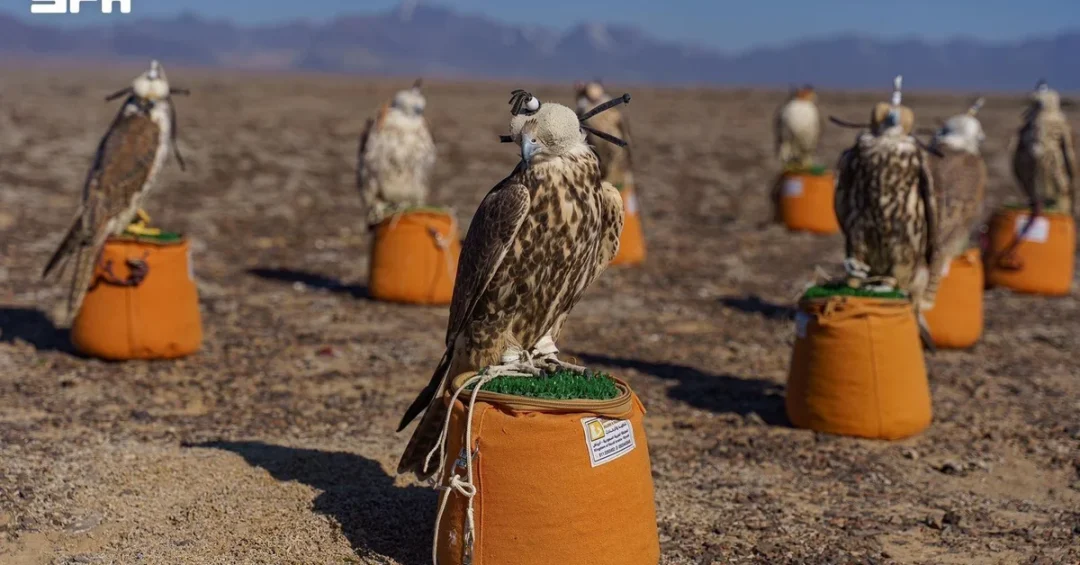
Riyadh, August 16, 2026 – The Saudi Falcons Club (SFC) has announced the opening of community participation in the International Falcon Release 2027 under the “Hadad” program. This initiative aims to reintroduce falcons into their natural habitats and involves receiving non-captive-bred falcons, specifically Saker and Peregrine falcons, according to approved criteria.
Context and Background
The Hadad program is a flagship conservation effort by the SFC, aligning with Saudi Arabia’s Vision 2030 to preserve the Kingdom’s natural heritage and biodiversity. By integrating the falconry community, the program underscores the importance of cultural heritage and environmental sustainability. Falcons have historically held significant cultural value in the region, and this program ensures their continued presence in the wild.
Key Details
The SFC will accept falcons from August 18 to November 18 at its headquarters in Malham, north of Riyadh. After reception, the birds will undergo thorough examinations, evaluations, and rehabilitation following approved scientific procedures. This process prepares them for release during the international 2027 event. The program is designed to engage falcon owners in conservation efforts, allowing them to contribute to the return of falcons to their natural habitats through a scientific process of reception, examination, rehabilitation, release, and monitoring.
Implications and Impact
The Hadad program enhances Saudi Arabia’s role in international conservation initiatives, fostering global cooperation in wildlife preservation. By involving the community, it strengthens public awareness and participation in environmental stewardship. The program also highlights the Kingdom’s commitment to protecting biodiversity, aligning with global sustainability goals and reinforcing its leadership in heritage preservation.
Vision 2030 Alignment
This initiative reflects Saudi Arabia’s dedication to balancing modernity with tradition, a core pillar of Vision 2030. The Hadad program not only preserves the cultural practice of falconry but also contributes to ecological balance and biodiversity. As the Kingdom continues to implement such innovative conservation programs, it positions itself as a global leader in environmental sustainability and cultural preservation, paving the way for a greener and more prosperous future.
20 Questions
Q1. What is the Hadad program?
A1. The Hadad program, initiated by the Saudi Falcons Club, is a conservation initiative aimed at reintroducing falcons into their natural habitats. It involves receiving, rehabilitating, and releasing falcons, with the goal of preserving biodiversity and the cultural heritage of falconry in Saudi Arabia.
Q2. Who can participate in the Hadad program?
A2. Community participation is open to falcon owners who possess non-captive-bred Saker or Peregrine falcons. Participants must comply with the approved criteria and conditions set by the Saudi Falcons Club to ensure the well-being and successful rehabilitation of the birds.
Q3. When will the SFC accept falcons for the 2027 international release?
A3. The Saudi Falcons Club will accept falcons from August 18 to November 18, 2026, at its headquarters in Malham, north of Riyadh. This reception period is designated for the 2027 international release, allowing time for proper examination and rehabilitation.
Q4. What species of falcons are eligible for the Hadad program?
A4. The Hadad program accepts Saker falcons and Peregrine falcons that are not bred in captivity. These species are significant in the region and are part of the conservation efforts to ensure their populations thrive in natural habitats.
Q5. Where is the SFC headquarters located?
A5. The Saudi Falcons Club headquarters is located in Malham, north of Riyadh, the capital city of Saudi Arabia. This location serves as the primary facility for receiving, examining, and rehabilitating the falcons before their release.
Q6. What is the process for falcons after they are received?
A6. After reception, falcons undergo a series of steps: they are examined, evaluated, and rehabilitated according to approved scientific procedures. This ensures the falcons are healthy and capable of surviving in the wild before their release in 2027.
Q7. What is the significance of the Hadad program for Saudi heritage?
A7. Falconry is a cherished tradition in Saudi Arabia, and the Hadad program preserves this heritage by involving the community in conservation. It reinforces the cultural importance of falconry while ensuring the birds’ populations are maintained, thereby protecting a key aspect of national identity.
Q8. How does the Hadad program contribute to biodiversity?
A8. By reintroducing falcons into their natural habitats, the program helps maintain the ecological balance. Falcons are top predators, and their presence supports healthy ecosystems. This aligns with broader biodiversity conservation goals both nationally and internationally.
Q9. What is the role of the community in the Hadad program?
A9. The program actively engages the falconry community, allowing owners to contribute to conservation. This participation fosters a sense of responsibility and stewardship, encouraging sustainable practices among those who appreciate falconry and wildlife.
Q10. How does the Hadad program benefit falcon owners?
A10. Falcon owners gain the opportunity to participate in a meaningful conservation effort, contributing to the preservation of their cultural heritage. Additionally, they receive guidance and support from the SFC, ensuring their falcons are well-cared for throughout the process.
Q11. What are the approved scientific procedures for rehabilitation?
A11. The procedures include veterinary examinations, health assessments, and gradual conditioning to ensure the falcons can hunt and survive independently. These steps are based on international standards and adapted to the specific needs of each bird.
Q12. How does the Hadad program support Vision 2030?
A12. Vision 2030 emphasizes environmental sustainability and cultural preservation. The Hadad program aligns with these goals by promoting biodiversity and safeguarding the cultural practice of falconry, thus contributing to the Kingdom’s long-term aspirations.
Q13. What is the international aspect of the 2027 falcon release?
A13. The 2027 release is part of a global effort to conserve falcon populations. Saudi Arabia collaborates with international partners to ensure successful reintroduction and to share knowledge, enhancing the Kingdom’s role in global conservation networks.
Q14. How does the SFC monitor the released falcons?
A14. After release, falcons are tracked using satellite telemetry and other methods to monitor their survival, movement, and integration into the wild. This data informs future conservation strategies and ensures the program’s effectiveness.
Q15. What is the “Hadad” program’s unique feature?
A15. The program’s uniqueness lies in its community-driven approach, incorporating the knowledge and participation of traditional falconers. This blend of tradition and science enhances the program’s credibility and success.
Q16. How can interested falcon owners apply to participate?
A16. Falcon owners can apply through the Saudi Falcons Club’s official channels, providing necessary documentation about their falcons. The SFC reviews applications to ensure compliance with the participation criteria.
Q17. What are the Saker and Peregrine falcons’ conservation status?
A17. Both Saker and Peregrine falcons are species of concern in some regions. The Hadad program plays a vital role in their conservation by supporting wild populations through scientific reintroduction efforts.
Q18. How does this program strengthen Saudi Arabia’s global role?
A18. By actively engaging in international conservation, Saudi Arabia demonstrates its commitment to environmental stewardship. This enhances its diplomatic standing and positions the Kingdom as a responsible global citizen.
Q19. What is the expected outcome of the 2027 international release?
A19. The expected outcome is a successful release of rehabilitated falcons into their natural habitats, contributing to population stability and biodiversity. It also aims to increase public awareness and continued engagement in conservation.
Q20. How can the public support the Hadad program?
A20. The public can support by spreading awareness about the program, respecting falcon habitats, and participating in related events. Educating others about the importance of falcon conservation helps ensure the long-term success of such initiatives.
Reader Feedback
We value your thoughts. Please share your feedback on this article.
Your feedback helps us improve our coverage.