


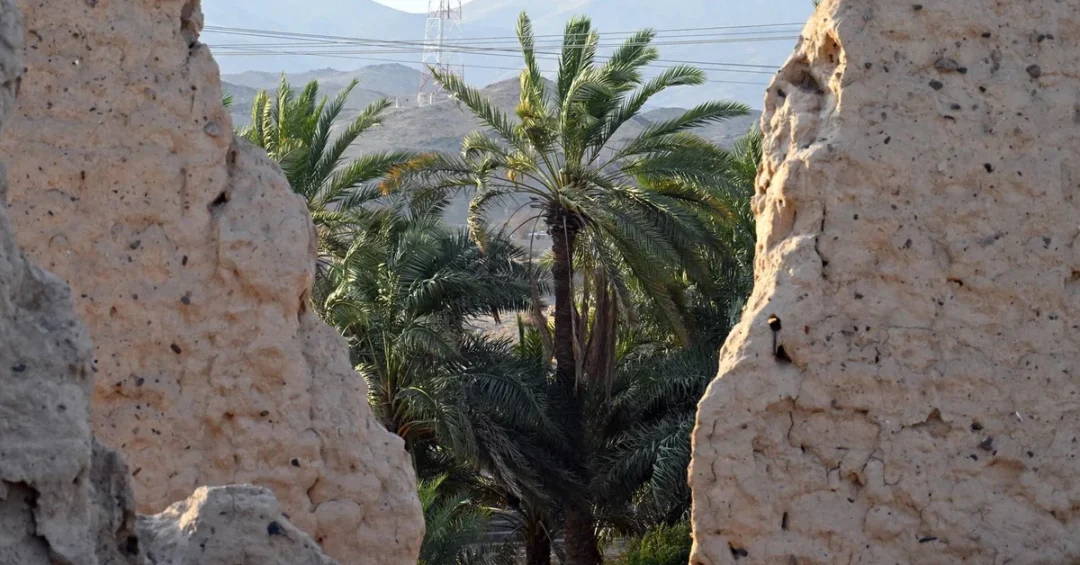
The date palm harvest season in Yanbu Al Nakhl has concluded with the traditional “Jidad” ritual, marking the final stage of the agricultural cycle as farmers collect the remaining fruit from the trees. According to the Saudi Press Agency (SPA), this year’s season, which took place in the Al Madinah region, saw farmers gather dates based on the specific varieties and their ripeness, with Yanbu Al Nakhl being one of the earliest areas to complete the harvest compared to other regions.
Context and Background
The Jidad season, which occurs at the end of summer, represents the culmination of a year-long effort for local farmers. Farmer Abdulrahman Abu Duaij told SPA that this period is not merely a harvest but the conclusion of a season of dedicated care for the palm trees. He emphasized that the crop is divided between household consumption, hospitality, and commercial purposes, reflecting the traditional and ongoing economic importance of dates in the region.
Key Details
Abu Duaij highlighted the traditional methods of harvesting, which historically involved tools such as sickles and woven baskets called “khasaf,” along with traditional mills and containers. The harvest was also a social occasion, where villagers would come together to assist in the collection, showcasing a community spirit rooted in cooperation and mutual support. Over time, these methods have evolved, with modern labor and improved collection techniques now being employed, yet the cultural significance and economic value of the season remain steadfast.
Implications and Impact
Late-ripening date varieties, locally known as “Farwakh,” “Rabayeh,” and “Meshook,” are gathered at the season’s end, then prepared for trade and marketing. The dates continue to be distributed to domestic markets and exported internationally, underscoring their enduring economic role. This year’s harvest not only supports local livelihoods but also reinforces Saudi Arabia’s position as a leading date producer, contributing to the agricultural diversification goals under Vision 2030.
Vision 2030 Alignment
The Jidad season in Yanbu Al Nakhl exemplifies the Kingdom’s commitment to preserving its agricultural heritage while embracing modernization. As Saudi Arabia advances toward Vision 2030, initiatives that enhance agricultural productivity and sustainability are crucial. The continued success of date farming, supported by government programs and modern techniques, ensures that this timeless tradition not only survives but thrives, contributing to food security, economic growth, and the cultural identity of the nation.
20 Questions
Q1. What is the Jidad season in Yanbu Al Nakhl?
A1. The Jidad season is the final stage of the date palm harvest in Yanbu Al Nakhl, where farmers collect the remaining fruit from the trees at the end of summer, according to the Saudi Press Agency.
Q2. When does the Jidad season occur?
A2. The Jidad season occurs at the end of summer, typically in August, as reported by the Saudi Press Agency, marking the conclusion of the agricultural year for date palms.
Q3. Why is Yanbu Al Nakhl considered ahead in the date harvest?
A3. Yanbu Al Nakhl is one of the earliest regions to complete the date harvest due to its favorable climate and early ripening of certain date varieties, as noted by the Saudi Press Agency.
Q4. What is the significance of the Jidad season for local farmers?
A4. For farmers like Abdulrahman Abu Duaij, the Jidad season represents the culmination of a year-long effort in palm care, and it is a time to gather the harvest for household use, hospitality, and trade, according to the Saudi Press Agency.
Q5. How were dates traditionally harvested and preserved?
A5. Traditionally, farmers used sickles and woven baskets called ‘khasaf’ for collecting and preserving dates, along with traditional mills and containers, as described by farmer Abdulrahman Abu Duaij in an interview with SPA.
Q6. What was the social aspect of the Jidad season in the past?
A6. The Jidad season was a social occasion where villagers would come together to help in the collection, reflecting a community based on cooperation and mutual support, as recalled by Abdulrahman Abu Duaij.
Q7. How has the date harvesting method changed over time?
A7. Modern methods now rely more on labor and contemporary collection tools, but the importance of the season remains, with farmers seeking to develop and preserve the date season, according to Abdulrahman Abu Duaij.
Q8. Which date varieties are harvested late in the season?
A8. Late-ripening varieties include those locally known as ‘Farwakh,’ ‘Rabayeh,’ and ‘Meshook,’ which are gathered at the end of the season before processing and marketing, as stated in the article.
Q9. What is the economic importance of dates in the region?
A9. Dates have historically been a main economic source for the region’s inhabitants, and their value continues today, with a portion of the harvest going to trade and marketing, as emphasized by Abdulrahman Abu Duaij.
Q10. How is the date harvest distributed?
A10. The harvest is divided among household use, hospitality, and trade, with some dates sent to markets within the Kingdom and others exported abroad, according to the farmer’s account.
Q11. What does the Jidad season represent culturally?
A11. The Jidad season is more than just a harvest; it represents the end of a season of work and an extension of agricultural and economic heritage, as well as a social memory passed down through generations.
Q12. How does the date industry support Saudi Arabia’s economy?
A12. The date industry contributes to the national economy through domestic sales and exports, supporting livelihoods and aligning with Vision 2030’s goals of agricultural diversification and food security.
Q13. What modern techniques are used in date harvesting?
A13. Modern harvesting techniques include the use of more efficient tools and equipment, as well as improved collection and sorting methods, though specific details are not provided in the article.
Q14. How do farmers prepare for the Jidad season?
A14. Farmers prepare throughout the season by caring for the palms, and as the harvest approaches, they ready themselves to gather the remaining fruit according to the variety and ripeness, as explained by Abu Duaij.
Q15. What is the role of dates in Saudi hospitality?
A15. Dates are traditionally used in hospitality, and a portion of the harvest is allocated for entertaining guests, reflecting their cultural significance in Saudi society.
Q16. How does the Jidad season impact local communities?
A16. The season strengthens community bonds through cooperation during harvest and provides economic benefits, reinforcing the social fabric of villages like Yanbu Al Nakhl.
Q17. What are the challenges facing date farmers today?
A17. While the article does not detail challenges, farmers are seeking to develop the season and preserve it, suggesting efforts to adapt to changing conditions while maintaining quality.
Q18. How do dates contribute to food security in Saudi Arabia?
A18. Dates are a staple food, and their production supports domestic food security by reducing reliance on imports, aligning with Vision 2030’s focus on sustainability.
Q19. What is the future outlook for the date season in Yanbu Al Nakhl?
A19. The outlook is positive, with farmers committed to preserving the season and its heritage, while modernizing practices to ensure its continued economic and cultural relevance.
Q20. How does the Jidad season reflect Saudi Arabia’s Vision 2030?
A20. The season aligns with Vision 2030 by promoting agricultural development, preserving cultural heritage, and contributing to economic diversification, as highlighted in the article’s conclusion.
Reader Feedback
We value your thoughts. Please share your feedback on this article.
Your feedback helps us improve our coverage.