


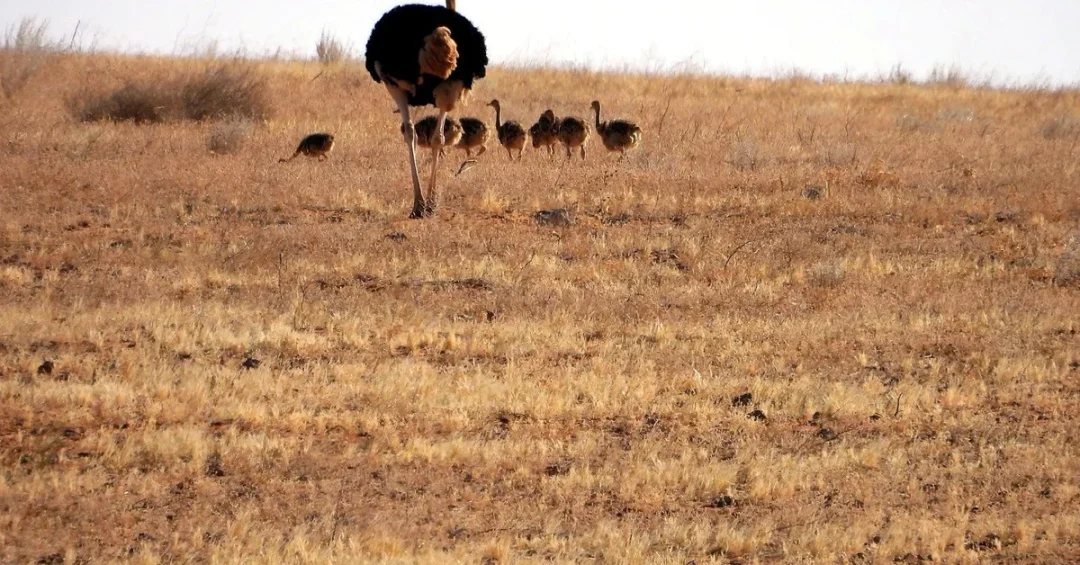
The Imam Turki bin Abdullah Royal Nature Reserve Development Authority has recorded the hatching of seven red-necked ostrich chicks during the second quarter of 2026, according to an announcement by the Saudi Press Agency (SPA) on August 16, 2026. This milestone reflects the authority’s ongoing efforts to restore a species that historically inhabited the reserve, highlighting Saudi Arabia’s commitment to wildlife conservation and ecological sustainability.
Context and Background
The red-necked ostrich, once native to the Arabian Peninsula, had disappeared from the region due to hunting and habitat loss. The Imam Turki bin Abdullah Royal Nature Reserve, one of the largest royal reserves in the Kingdom, has been at the forefront of reintroducing this species. The reserve’s authority adopts an integrated approach to wildlife reintroduction, which involves studying, preparing, and protecting habitats, selecting suitable release sites, and monitoring the birds’ movement, adaptation, reproduction, and distribution in the wild.
This scientific and field-based methodology provides essential indicators to assess the success of reintroduction programs and guide their continuous development. The hatching of the seven chicks marks a significant step in rebuilding the ostrich population and restoring the ecological balance of the reserve.
Key Details
The Imam Turki bin Abdullah Royal Nature Reserve Development Authority has been implementing comprehensive programs focused on wildlife protection, species reintroduction, and habitat conservation. The reserve, named after Imam Turki bin Abdullah, the founder of the second Saudi state, spans an area of over 91,000 square kilometers in the northern borders region. It is home to a diverse range of flora and fauna, including Arabian oryx, sand gazelles, and houbara bustards, all of which have been part of similar reintroduction efforts.
According to the SPA report, the authority has established specialized breeding centers and collaborates with international conservation organizations to ensure the genetic diversity and health of the reintroduced species. The hatching of the chicks is a result of these collaborative efforts and the favorable conditions created within the protected area.
Implications and Impact
The successful hatching of the red-necked ostrich chicks carries significant implications for biodiversity and ecosystem health in Saudi Arabia. It demonstrates the effectiveness of the Kingdom’s conservation strategies and its commitment to reversing environmental degradation. This achievement also enhances the reserve’s potential for eco-tourism, as visitors and international researchers will be attracted to observe the thriving wildlife in its natural habitat.
Regionally, Saudi Arabia’s conservation successes serve as a model for other countries in the Middle East, encouraging cooperative efforts in preserving endemic species and restoring natural habitats. The data collected from monitoring the chicks will contribute to global knowledge on ostrich biology and conservation, positioning the Kingdom as a leader in scientific research and environmental stewardship.
Vision 2030 Alignment
The Imam Turki bin Abdullah Royal Nature Reserve’s achievements align directly with the goals of Saudi Vision 2030, which emphasizes environmental sustainability, wildlife conservation, and the sustainable management of natural resources. By actively restoring ecosystems and reintroducing native species, the Kingdom is not only preserving its natural heritage but also enhancing the quality of life for its citizens and residents. This initiative also supports the Vision’s ambition to create a vibrant society and a thriving economy, with eco-tourism and conservation playing an increasingly important role. As the reserve continues to expand its successes, it embodies Saudi Arabia’s commitment to a green future and its role as a global leader in environmental conservation.
20 Questions
Q1. What species had seven chicks hatch in the Imam Turki bin Abdullah Royal Nature Reserve?
A1. The hatched chicks were red-necked ostriches, a species that historically inhabited the region but had disappeared from the wild.
Q2. When did the hatching occur?
A2. The hatching was recorded during the second quarter of 2026, with the announcement made on August 16, 2026.
Q3. Who announced the hatching?
A3. The Saudi Press Agency (SPA) reported the news, citing the Imam Turki bin Abdullah Royal Nature Reserve Development Authority.
Q4. What is the significance of this hatching?
A4. It reflects the success of wildlife reintroduction programs in restoring a native species to its historical habitat, supporting biodiversity.
Q5. Where is the reserve located?
A5. The reserve is located in the northern borders region of Saudi Arabia, spanning over 91,000 square kilometers.
Q6. What approach does the reserve use for reintroduction?
A6. The approach includes studying habitats, preparing release sites, and monitoring species’ adaptation, reproduction, and distribution in the wild.
Q7. What other species are part of similar efforts?
A7. Other species include Arabian oryx, sand gazelles, and houbara bustards, all of which have been reintroduced in the reserve.
Q8. How does this align with Vision 2030?
A8. It contributes to Vision 2030’s goals of restoring ecosystems, promoting sustainable management of natural resources, and enhancing quality of life.
Q9. What role do breeding centers play?
A9. They ensure genetic diversity and health, providing a controlled environment for breeding before release into the wild.
Q10. How does monitoring help in conservation?
A10. Monitoring provides scientific data on movement, adaptation, and reproduction, helping assess the success of programs and guide improvements.
Q11. What are the implications for eco-tourism?
A11. The thriving wildlife, including ostriches, attracts tourists and researchers, boosting eco-tourism and local economy.
Q12. What is the historical significance of the ostrich in the region?
A12. The red-necked ostrich was native to the Arabian Peninsula and held cultural and ecological importance, but became extinct in the wild.
Q13. How does this success impact regional conservation?
A13. It serves as a model for other countries in the Middle East, encouraging collaborative conservation efforts and knowledge sharing.
Q14. What is the role of the reserve’s authority?
A14. The authority oversees conservation, reintroduction, and habitat management, ensuring the success of the programs.
Q15. Are there any international collaborations?
A15. Yes, the reserve collaborates with international conservation organizations to ensure the best practices and genetic diversity.
Q16. What challenges did the reintroduction face?
A16. Challenges included habitat degradation, hunting, and the need for suitable conditions for breeding and survival, which the authority mitigated through protection and monitoring.
Q17. What is the future outlook for the ostrich population?
A17. With continued efforts, the population is expected to grow, potentially leading to the establishment of a sustainable, self-supporting population.
Q18. How does the reserve contribute to scientific research?
A18. The data collected on ostrich biology and conservation contributes to global knowledge, supporting research and education.
Q19. What is the importance of habitat conservation?
A19. It ensures that the reintroduced species have a safe environment to thrive, which is critical for their long-term survival and the health of the ecosystem.
Q20. How does this achievement reflect Saudi Arabia’s environmental leadership?
A20. It demonstrates the Kingdom’s commitment to preserving natural heritage and its role as a leader in environmental conservation on a global scale.
Reader Feedback
We value your thoughts. Please share your feedback on this article.
Your feedback helps us improve our coverage.