


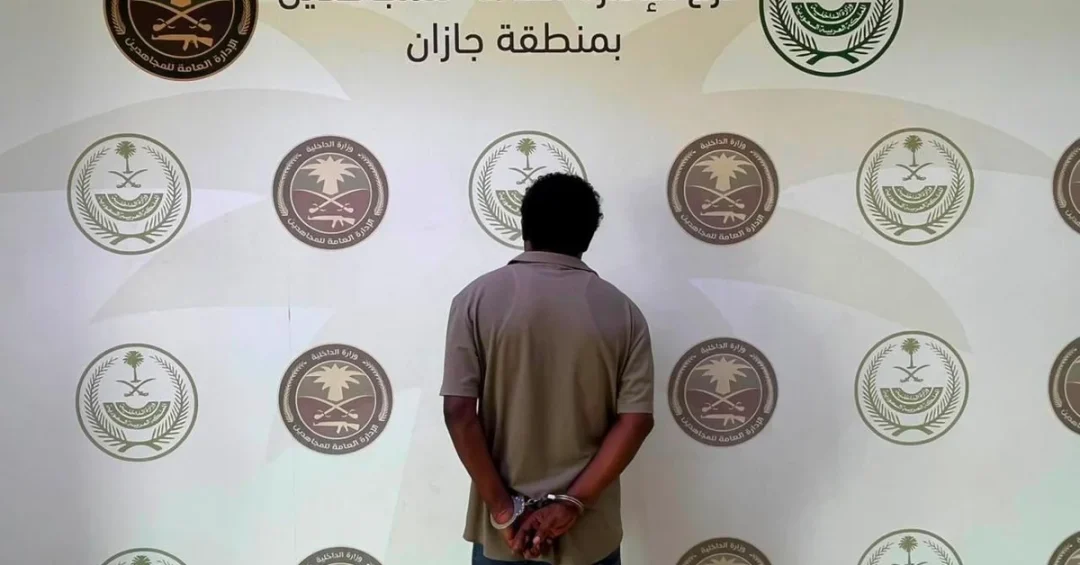
Patrols of the General Administration of Mujahideen in Jazan Region have arrested a Sudanese resident for transporting six Ethiopian nationals who violated the Border Security Law. The arrest was announced on August 17, 2026, via the Saudi Press Agency (SPA). Legal procedures have been initiated against all parties involved, with the violators referred to the competent authority and the transporter referred to the Public Prosecution.
Context and Background
Saudi Arabia maintains strict border security measures to protect its sovereignty and ensure the safety and well-being of its citizens and residents. The Border Security Law is part of a comprehensive framework designed to regulate entry into the Kingdom and prevent illegal immigration. The General Administration of Mujahideen plays a crucial role in enforcing these regulations, particularly in border regions such as Jazan, which require heightened vigilance.
The arrest underscores the Kingdom’s commitment to upholding its laws and safeguarding its borders. It also highlights the collaborative efforts of Saudi security agencies in detecting and apprehending those who attempt to violate these laws, whether by entering illegally or by facilitating such entry.
Key Details
The official spokesperson for the General Administration of Mujahideen emphasized the seriousness of the crime, noting that facilitating the entry of border security violators, transporting them, sheltering them, or providing any form of assistance carries severe penalties. These can include up to 15 years in prison, a fine of up to SAR1 million, confiscation of the transport vehicle, and public naming of the offender.
The spokesperson also stated that the crime is considered a major offense. The public is urged to report any violations of residency, labor, or border security regulations by calling 911 in Makkah, Madinah, Riyadh, and the Eastern regions, and 999 or 996 in all other regions. All reports will be treated with strict confidentiality, and reporters will bear no liability.
Implications and Impact
This arrest demonstrates the effectiveness of Saudi Arabia’s border enforcement mechanisms and sends a clear message that violations will not be tolerated. It reassures the international community of the Kingdom’s dedication to maintaining regional stability and security. The stringent penalties serve as a strong deterrent, discouraging individuals from engaging in human smuggling or illegal border crossing activities.
Furthermore, the case highlights the importance of public cooperation in reporting violations. The Kingdom encourages its citizens and residents to act responsibly and contribute to the safety and security of the nation, in line with Islamic values and Saudi laws.
Vision 2030 Alignment
This enforcement action aligns with Saudi Arabia’s Vision 2030 by reinforcing the rule of law and enhancing the security environment, which are essential for sustainable development and economic growth. Secure borders and a well-regulated residency system contribute to a safe and attractive destination for tourists and investors. By upholding these laws, the Kingdom is building a resilient society where justice prevails, supporting the ambitious goals of Vision 2030 to transform Saudi Arabia into a global hub of opportunity and stability.
20 Questions
Q1. What is the Border Security Law?
A1. The Border Security Law is a Saudi regulation that governs entry into the Kingdom and aims to prevent illegal immigration and border breaches. Violations can lead to severe penalties, including imprisonment and fines.
Q2. Who was arrested in Jazan?
A2. A Sudanese resident was arrested for transporting six Ethiopian nationals who violated the Border Security Law. The arrest was made by patrols of the General Administration of Mujahideen in Jazan.
Q3. What were the legal procedures after the arrest?
A3. Legal procedures were initiated against all parties. The violators were referred to the competent authority, and the transporter was referred to the Public Prosecution.
Q4. What is the role of the General Administration of Mujahideen?
A4. The General Administration of Mujahideen is responsible for enforcing border security laws, including detecting and arresting those who violate border regulations or assist violators.
Q5. What penalties does the transporter face?
A5. The transporter may face up to 15 years in prison, a fine of up to SAR1 million, confiscation of the vehicle used, and public naming as per the Border Security Law.
Q6. Why is the crime considered major?
A6. The crime is considered major because it undermines national security and the integrity of border controls. The Kingdom takes such offenses seriously to deter others from engaging in similar illegal activities.
Q7. How can the public report border security violations?
A7. The public can call 911 in Makkah, Madinah, Riyadh, and Eastern regions, and 999 or 996 in all other regions. Reports are confidential, and reporters are protected from liability.
Q8. What is the significance of this arrest?
A8. The arrest demonstrates Saudi Arabia’s commitment to enforcing its laws and protecting its borders. It also highlights the effectiveness of security patrols in detecting such violations.
Q9. How does this relate to Vision 2030?
A9. This aligns with Vision 2030 by reinforcing the rule of law and security, which are crucial for economic development and making Saudi Arabia a leading global investment destination.
Q10. What is the role of the Public Prosecution?
A10. The Public Prosecution will handle the legal case against the transporter, ensuring that due process is followed and appropriate charges are filed.
Q11. Could the transporter’s vehicle be confiscated?
A11. Yes, according to the law, the transport vehicle used in the violation is subject to confiscation. This is part of the stringent penalties to deter such actions.
Q12. What happens to the six Ethiopian nationals?
A12. The six Ethiopian nationals, as violators of the Border Security Law, were referred to the competent authority, which will process their cases according to Saudi regulations.
Q13. Why is the public urged to report violations?
A13. Reporting violations helps maintain the safety and security of the Kingdom. The government encourages citizen and resident cooperation to prevent crimes and uphold the law.
Q14. Are there specific reporting numbers for different regions?
A14. Yes, in Makkah, Madinah, Riyadh, and Eastern regions, the number is 911. In other regions, the numbers are 999 or 996.
Q15. How does this arrest affect Jazan’s security?
A15. The arrest reinforces security measures in Jazan, a border region, and sends a strong message that violations will not be tolerated, contributing to the region’s stability.
Q16. What is the punishment for aiding border violators?
A16. Aiding border violators, including transporting, sheltering, or assisting them, can result in up to 15 years in prison, a fine of up to SAR1 million, vehicle confiscation, and public naming.
Q17. What is the significance of public naming?
A17. Public naming serves as a deterrent and increases transparency. It publicly identifies individuals who have committed major offenses, discouraging others from similar actions.
Q18. How does Saudi Arabia protect reporters of violations?
A18. The government guarantees strict confidentiality and ensures that reporters bear no liability, encouraging people to come forward without fear of reprisal.
Q19. What types of violations can be reported?
A19. Violations related to residency, labor, and border security regulations can be reported. These include illegal entry, overstaying visas, and employing undocumented workers.
Q20. What is the outcome expected from this case?
A20. The outcome will be determined by the legal process. The transporter faces severe penalties, and the violators will be processed according to law, reinforcing the Kingdom’s commitment to justice.
Reader Feedback
We value your thoughts. Please share your feedback on this article.
Your feedback helps us improve our coverage.