


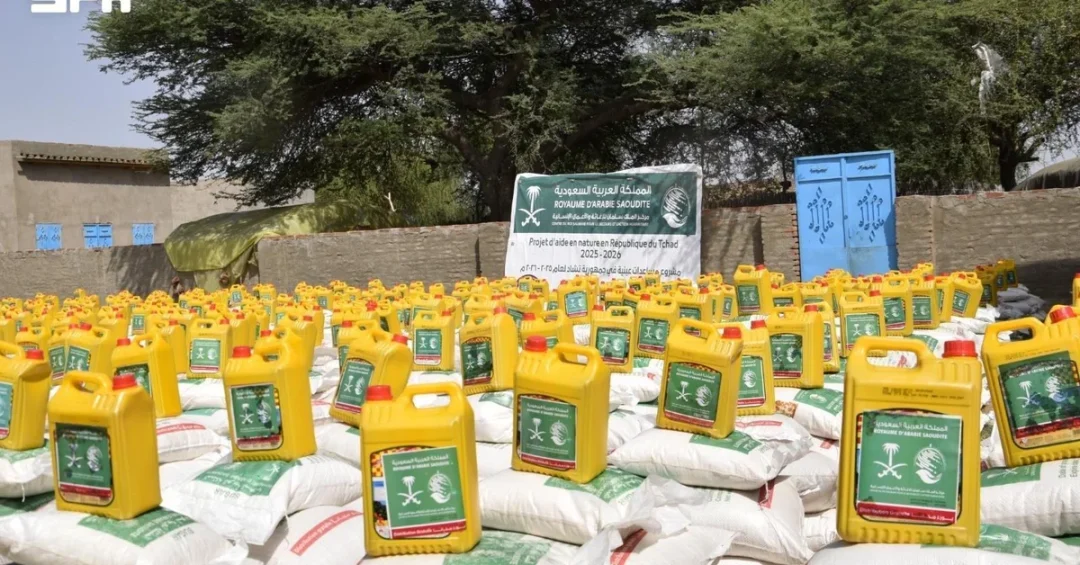
The King Salman Humanitarian Aid and Relief Centre (KSrelief) has distributed 1,000 food boxes in the Ouaddai region of Chad, benefiting 6,000 people, including refugees. The distribution, announced by the Saudi Press Agency on August 17, 2026, is part of the “2026 Food Assistance Project for the Republic of Chad.”
Context and Background
Chad, a landlocked country in Central Africa, faces persistent food insecurity exacerbated by conflict, climate change, and the influx of refugees from neighboring Sudan and other crisis-affected areas. The Ouaddai region, in particular, hosts a significant number of displaced persons. This initiative by KSrelief underscores Saudi Arabia’s ongoing commitment to humanitarian causes worldwide, reflecting the Kingdom’s role as a leading donor in international aid.
Key Details
The food boxes were distributed under the auspices of the Saudi Embassy in Chad and in coordination with the Chadian authorities. KSrelief, established in 2015, has implemented thousands of projects across over 80 countries, with a focus on food security, health, education, and shelter. This particular project aims to alleviate immediate hunger and provide nutritional support to vulnerable populations, including refugees, in the Ouaddai region.
Implications and Impact
This aid delivery has direct implications for the affected communities, offering not only essential sustenance but also a sense of stability and hope. For Chad and the broader Sahel region, such interventions are crucial in mitigating the effects of chronic food shortages and displacement. Internationally, Saudi Arabia’s continued humanitarian efforts reinforce its position as a key player in global relief, enhancing its diplomatic ties with African nations and contributing to regional stability.
Vision 2030 Alignment
This humanitarian mission aligns with Saudi Vision 2030, which emphasizes the Kingdom’s commitment to global solidarity and its role as an effective international partner. By addressing urgent humanitarian needs, Saudi Arabia not only exemplifies Islamic values of compassion and charity but also strengthens its international standing. As the Kingdom continues to diversify its global engagements, projects like these demonstrate how Vision 2030 extends beyond domestic transformation to encompass a broader, more impactful global presence.
20 Questions
Q1. What is the King Salman Humanitarian Aid and Relief Centre (KSrelief)?
A1. KSrelief, established in 2015 by royal decree, is Saudi Arabia’s primary humanitarian aid agency. It coordinates and delivers relief assistance worldwide, focusing on food security, health, education, and shelter, in line with the Kingdom’s commitment to global humanitarian action.
Q2. When was the food distribution conducted in Chad?
A2. The distribution was announced on August 17, 2026, based on the Saudi Press Agency report. The exact date of the physical distribution may have occurred around that time, as part of the ongoing 2026 food assistance project in Chad.
Q3. How many food boxes were distributed in the Ouaddai region?
A3. KSrelief distributed a total of 1,000 food boxes in the Ouaddai region. Each box is designed to support a family, contributing to the overall aid package that aims to reach 6,000 beneficiaries.
Q4. How many people benefited from these food boxes?
A4. The distribution directly benefited 6,000 individuals, including refugees and vulnerable local populations. This number reflects the scale of the humanitarian effort in addressing food needs in the region.
Q5. Who are the primary beneficiaries of this aid?
A5. The primary beneficiaries include refugees and vulnerable individuals in the Ouaddai region. The region hosts many displaced persons due to conflict in nearby countries, making this aid critical for their survival and well-being.
Q6. How does this distribution fit into the broader ‘2026 Food Assistance Project for Chad’?
A6. This distribution is a specific component of the larger project, which aims to provide food assistance across multiple regions in Chad throughout 2026. The project, implemented by KSrelief, addresses urgent food needs and contributes to longer-term food security efforts.
Q7. What is the Ouaddai region known for?
A7. Ouaddai, in eastern Chad, is known for hosting a significant refugee population and facing challenges such as food insecurity and limited resources. It is one of the regions where humanitarian interventions are critically needed.
Q8. How does Saudi Arabia support humanitarian efforts globally?
A8. Saudi Arabia, primarily through KSrelief, provides humanitarian aid to over 80 countries, focusing on disaster relief, food assistance, health programs, and more. The Kingdom’s contributions are among the largest in the world, reflecting its commitment to global solidarity.
Q9. What types of food items are typically included in KSrelief food boxes?
A9. The food boxes typically contain essential staple items such as rice, flour, oil, sugar, and other non-perishable foodstuffs. These items are chosen to provide a balanced and nourishing supply for families in need.
Q10. How does this aid help the local community in Chad?
A10. This aid provides immediate relief from hunger, supports child nutrition, and prevents the deterioration of living conditions. It also helps stabilize the community by reducing pressures on local resources, allowing for better focus on long-term development.
Q11. What is the role of the Saudi Embassy in Chad in this distribution?
A11. The Saudi Embassy in Chad played a crucial role in facilitating the distribution, coordinating with local authorities and ensuring that aid reaches the intended beneficiaries. This reflects diplomatic cooperation and effective on-ground implementation.
Q12. How does KSrelief select the regions for aid distribution?
A12. KSrelief selects regions based on need assessments conducted through international and local partners, focusing on areas with severe food insecurity, displacement, or crises. Chad, particularly the Ouaddai region, met these criteria, prompting the intervention.
Q13. Has KSrelief conducted other aid projects in Chad?
A13. Yes, KSrelief has implemented multiple projects in Chad, including health, food, and shelter programs. This ongoing support demonstrates the Kingdom’s long-term commitment to addressing humanitarian needs in Chad.
Q14. How does this aid align with the United Nations Sustainable Development Goals?
A14. This aid contributes directly to SDG 2 (Zero Hunger) by providing food security and improving nutrition. It also supports SDG 17 (Partnerships for the Goals) through international cooperation and partnerships.
Q15. What is the significance of the announcement date, August 17, 2026?
A15. The announcement date is when the Saudi Press Agency released information about the distribution, providing transparency and public awareness. This date marks a milestone in the ongoing project, highlighting Saudi Arabia’s timely response to humanitarian needs.
Q16. How does Saudi Arabia’s humanitarian work align with its Vision 2030 goals?
A16. Vision 2030 emphasizes the Kingdom’s role as an effective global partner and a leader in humanitarian work. These aid efforts enhance Saudi Arabia’s international standing, foster global partnerships, and reflect the values of compassion and solidarity, all of which are integral to Vision 2030.
Q17. What challenges does Chad face in food security?
A17. Chad faces chronic food insecurity due to drought, desertification, conflict, and a high number of refugees. These factors strain local food production and resources, making external aid vital for vulnerable populations.
Q18. How are the food boxes distributed to the beneficiaries?
A18. KSrelief, in coordination with the Saudi Embassy and Chadian authorities, uses a structured distribution system. This often involves registering beneficiaries, setting up distribution points, and ensuring orderly distribution to families in need.
Q19. What is the long-term impact of such humanitarian projects?
A19. These projects provide immediate relief and also contribute to the resilience of the community. By addressing basic needs, they allow for a focus on education, health, and economic recovery, which are essential for long-term stability and development.
Q20. How can the international community support humanitarian efforts in Chad?
A20. The international community can increase funding for humanitarian organizations, promote conflict resolution, support climate resilience programs, and strengthen partnerships with local agencies. Collaborative efforts, like those led by Saudi Arabia, are crucial in addressing the root causes of food insecurity and displacement.
Reader Feedback
We value your thoughts. Please share your feedback on this article.
Your feedback helps us improve our coverage.