


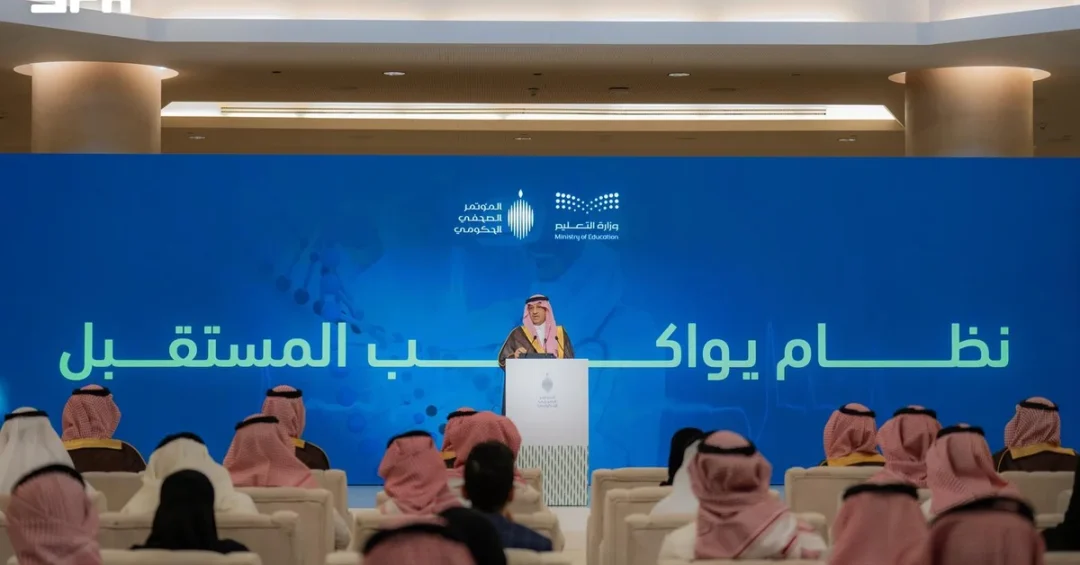
Saudi Arabia’s Minister of Education, Yousef bin Abdullah Al-Benyan, announced on August 17, 2026, that the new public education system will transform the sector’s development and governance, enhancing educational quality and aligning with future needs. Speaking at a government press conference in Riyadh hosted by the Ministry of Media, Al-Benyan outlined comprehensive reforms aimed at improving the educational environment, regulating the private and non-profit sectors, and boosting the system’s capacity for development. The conference was attended by Minister of Media Salman bin Yousef Al-Dosari, Deputy Minister of Media Dr. Abdullah bin Ahmed Al-Mughlouth, and Deputy Minister of Education for Public Education Dr. Saad bin Awad Al-Harbi.
Context and Background
The reforms come as Saudi Arabia accelerates its Vision 2030 agenda, which prioritizes education as a cornerstone of national development. The new system aims to enhance student experiences, support teachers, strengthen family trust, and preserve national values. It also emphasizes tolerance, coexistence, and pride in national identity and the Arabic language. The Ministry of Education has been working on these reforms for years, with a focus on integrating technology, improving curricula, and expanding access to early childhood education.
Key Details
Al-Benyan highlighted several key initiatives, including a national curriculum model that emphasizes religious values, national identity, skill development, and AI literacy. The ministry has developed 22 new subjects and 50 AI educational units with the help of 120 specialists. Over 36 million textbooks have been distributed to schools. A major teacher training program has benefited 240,000 educators, and a digital platform covers 500,000 educational staff. The ministry has also licensed two international universities and ten international schools in 2025-2026. Enrollment in early childhood education has reached 35%, with a target of 90% by 2030.
Implications and Impact
These reforms are expected to elevate Saudi Arabia’s global educational standing. The number of Saudi universities in the QS World University Rankings has reached 22, with five in the top 100. Shanghai Ranking places 14 Saudi universities among the top 1,000 globally. The King Salman Scholarship Program has supported 26,000 students in 2026, with 70% admitted to top 50 global institutions. These achievements reflect the Kingdom’s commitment to developing human capital and fostering innovation, positioning it as a regional leader in education.
Vision 2030 Alignment
The education transformation is a pivotal element of Saudi Vision 2030, which seeks to build a vibrant society and a thriving economy. By investing in education, the Kingdom is nurturing a skilled workforce, driving economic diversification, and enhancing its global competitiveness. The reforms align with the Human Capability Development Program, a Vision 2030 initiative, and underscore Saudi Arabia’s dedication to empowering its youth and securing a prosperous future. As the minister affirmed, these measures will ensure that the Kingdom’s educational system remains dynamic, inclusive, and forward-looking, capable of meeting the demands of the future.
20 Questions
Q1. What is the main announcement made by the Minister of Education?
A1. The Minister of Education, Yousef bin Abdullah Al-Benyan, announced that the new public education system will transform the sector’s development and governance, enhancing educational quality and aligning with future needs.
Q2. When and where was this announcement made?
A2. The announcement was made on August 17, 2026, during a government press conference in Riyadh, hosted by the Ministry of Media.
Q3. What are the key goals of the new education system?
A3. The system aims to improve the educational environment, regulate the private and non-profit sectors, enhance student experiences, support teachers, strengthen family trust, and preserve national values.
Q4. How does the new system support teachers?
A4. It includes a national teacher development program that has benefited 240,000 educators, plus a digital platform for 500,000 educational staff.
Q5. What is the target for early childhood enrollment by 2030?
A5. The target is to increase early childhood enrollment to 90% by 2030, up from the current 35%.
Q6. How many new subjects and AI units have been developed?
A6. The ministry has developed 22 new subjects and 50 AI educational units, with the help of 120 specialists.
Q7. How many international universities and schools have been licensed?
A7. Two international universities and ten international schools have been licensed in 2025-2026.
Q8. What is the King Salman Scholarship Program?
A8. It is a scholarship program that supports Saudi students studying abroad, with 26,000 students in 2026, and 70% admitted to top 50 global institutions.
Q9. How many Saudi universities are in the QS World University Rankings?
A9. Twenty-two Saudi universities are in the QS rankings, with five in the top 100.
Q10. How many Saudi universities are in the Shanghai Ranking’s top 1,000?
A10. Fourteen Saudi universities are in the top 1,000, with five in the top 500.
Q11. What is the AI Sandbox initiative?
A11. It is an initiative praised by the World Bank that allows safe testing of AI in education, implemented with the Ministry of Human Resources, SDAIA, and research institutions.
Q12. How does the new system involve the private and non-profit sectors?
A12. It regulates their roles, encourages investment, and has resulted in 200 contracts for private schools and 160,000 educational seats.
Q13. How many volunteer teachers have participated in education?
A13. More than 961,000 volunteers, including both men and women, have repeatedly participated in educational activities.
Q14. What is the FutureX initiative?
A14. FutureX is a shared digital educational resources initiative involving over 150 government entities to facilitate access to digital educational information.
Q15. What is the Multiversity initiative?
A15. Multiversity is an initiative where over 30 government and university entities collaborate to provide flexible, high-quality higher education.
Q16. How many students have benefited from the new digital platforms?
A16. The Madrasati platform has over 11 million beneficiaries, providing interactive lessons and activities.
Q17. What is the Education Gateway?
A17. It is a unified digital platform designed to offer all educational services in one place, with full implementation targeted within six months.
Q18. How does the system support students with disabilities?
A18. It provides support for the needs and requirements of students with disabilities in educational institutions.
Q19. What role does AI play in the new system?
A19. AI is used as a “teacher assistant” and is integrated into the curriculum, with the ministry preparing 50 AI units and emphasizing AI readiness.
Q20. How does the new system align with Vision 2030?
A20. It aligns by developing human capital, enhancing economic diversification, and improving global competitiveness, supporting the goals of Vision 2030.
Reader Feedback
We value your thoughts. Please share your feedback on this article.
Your feedback helps us improve our coverage.