


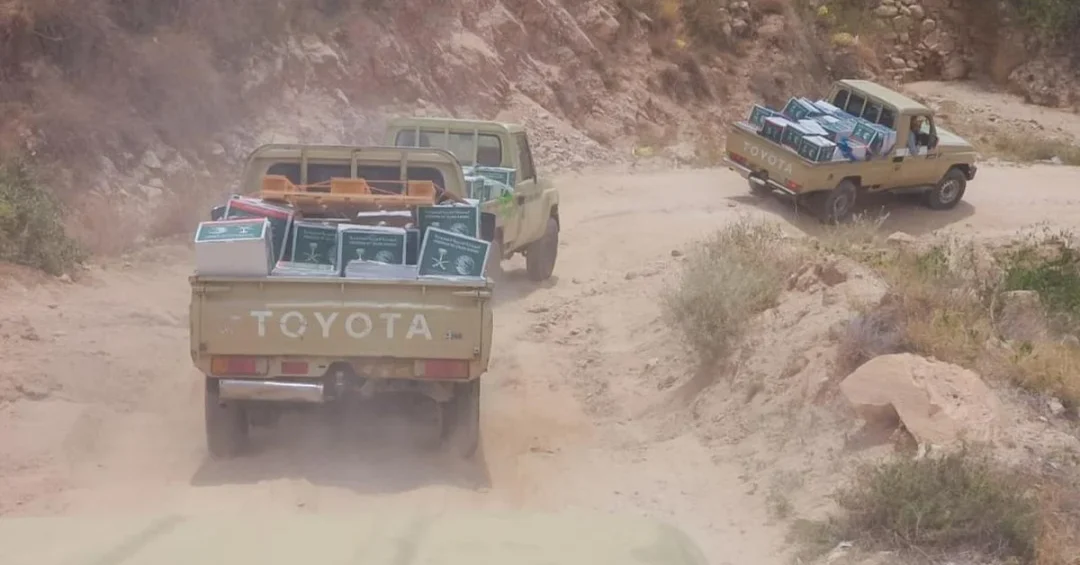
The King Salman Humanitarian Aid and Relief Centre (KSrelief) distributed 360 food baskets to the most needy families in the Razih district of Yemen’s Saada governorate on August 17, 2026, benefiting 2,520 individuals. This initiative is part of the second phase of the Emergency Food Assistance Project in Yemen, underscoring Saudi Arabia’s ongoing commitment to humanitarian relief in the region.
Context and Background
Yemen has been facing a severe humanitarian crisis for years, with millions of people requiring food assistance. The Emergency Food Assistance Project, implemented by KSrelief, aims to alleviate food insecurity among the most vulnerable populations. The distribution in Razih district is a continuation of Saudi Arabia’s broader humanitarian efforts, which have consistently targeted areas with high needs across Yemen.
The aid comes at a critical time, as many families in Saada governorate struggle with limited access to basic necessities due to ongoing conflict and economic challenges. KSrelief’s intervention is designed to provide immediate relief while supporting longer-term food security initiatives in the region.
Key Details
The food baskets distributed in Razih district include essential staples such as flour, rice, and cooking oil, among other basic food items. Each basket is carefully assembled to ensure a balanced supply of nutrition for a family for an extended period. The selection of beneficiaries was carried out in coordination with local authorities and humanitarian partners to target the most vulnerable households, including displaced families and female-headed households.
This operation is part of the second phase of the project, which aims to reach thousands of families across multiple Yemeni governorates. The first phase successfully distributed aid in several other districts, and this new phase expands the reach to areas like Razih, which had previously not received sufficient support.
Implications and Impact
The distribution in Razih is expected to have a positive impact on the local community, reducing immediate hunger and improving the nutritional status of children and adults alike. Humanitarian experts emphasize the importance of such aid in stabilizing the region and preventing further deterioration of living conditions. Moreover, this effort reinforces Saudi Arabia’s role as a leading humanitarian donor in Yemen, contributing to the broader international response to the crisis.
Local residents expressed gratitude for the assistance, noting that it arrives at a time when food prices have soared and many households have exhausted their resources. The aid also alleviates the burden on local markets and helps maintain social cohesion in a region affected by displacement and instability.
Vision 2030 Alignment
While Saudi Arabia’s Vision 2030 focuses on domestic development and diversification, it also emphasizes the Kingdom’s role as a global humanitarian leader. Through KSrelief, Saudi Arabia has extended its hand to nations in need, exemplifying the vision’s principles of compassion, solidarity, and international cooperation. This food distribution in Yemen is a tangible manifestation of Saudi Arabia’s commitment to humanitarian action, aligning with the vision’s goal of fostering stability and prosperity in the region. As Saudi Arabia advances its Vision 2030, its humanitarian efforts continue to reflect the Kingdom’s enduring values and its dedication to making a positive difference in the world.
20 Questions
Q1. What is KSrelief?
A1. KSrelief is the King Salman Humanitarian Aid and Relief Centre, a Saudi agency established in 2015 to coordinate and deliver humanitarian assistance to countries in need, particularly Yemen.
Q2. How many food baskets were distributed?
A2. KSrelief distributed 360 food baskets to needy families in the Razih district of Saada governorate, Yemen.
Q3. How many people benefited from this distribution?
A3. The distribution benefited 2,520 individuals, as stated by the Saudi Press Agency (SPA).
Q4. Where is the Razih district located?
A4. Razih is a district in Saada governorate, a province in northwestern Yemen that has been heavily affected by conflict.
Q5. What is the Emergency Food Assistance Project?
A5. It is a humanitarian initiative implemented by KSrelief to provide food assistance to vulnerable populations in Yemen, aiming to mitigate food insecurity.
Q6. Which phase does this distribution belong to?
A6. The distribution is part of the second phase of the Emergency Food Assistance Project in Yemen.
Q7. When did the distribution take place?
A7. The distribution occurred on August 17, 2026, corresponding to Rabi’ al-Awwal 4, 1448 AH.
Q8. Who selected the beneficiaries?
A8. Beneficiaries were selected in coordination with local authorities and humanitarian partners to target the most vulnerable families.
Q9. What items are included in the food baskets?
A9. The food baskets contain essential food items such as flour, rice, and cooking oil, providing a balanced supply for families.
Q10. Why is this aid important?
A10. This aid is crucial as many families in Saada face acute food insecurity due to conflict and economic hardships, and the baskets provide immediate relief.
Q11. How does this fit Saudi Arabia’s humanitarian role?
A11. Saudi Arabia, through KSrelief, demonstrates its commitment to humanitarian principles and its leadership in providing aid to people in need worldwide.
Q12. Is this the first time KSrelief has aided Yemen?
A12. No, KSrelief has been actively involved in Yemen since 2015, conducting numerous relief projects across various governorates.
Q13. What are the broader goals of KSrelief in Yemen?
A13. KSrelief aims to alleviate suffering, support stability, and address food insecurity, health needs, and displacement in Yemen.
Q14. How does this distribution help local communities?
A14. By providing essential food, the distribution helps improve nutrition, reduce hunger, and lessen the economic burden on vulnerable households.
Q15. What is the role of the Saudi government in this?
A15. The Saudi government funds and oversees KSrelief’s operations, reflecting its commitment to humanitarian and charitable work internationally.
Q16. How does this aid contribute to Vision 2030?
A16. Vision 2030 emphasizes Saudi Arabia’s global role, including humanitarian leadership, which is demonstrated through such aid efforts.
Q17. What is the significance of distributing in Saada governorate?
A17. Saada is one of the most affected areas in Yemen, so targeting it meets the highest needs and showcases effective crisis response.
Q18. How are food baskets delivered to such regions?
A18. KSrelief coordinates with local partners and uses established logistics networks to ensure safe and timely delivery to remote areas.
Q19. What is the expected long-term effect of this project?
A19. The project aims to reduce food insecurity and improve the resilience of communities, supporting their recovery and stability.
Q20. Where can readers find more information?
A20. The Saudi Press Agency (SPA) provides official updates on KSrelief’s activities, and the KSrelief website offers detailed reports on their projects.
Reader Feedback
We value your thoughts. Please share your feedback on this article.
Your feedback helps us improve our coverage.