


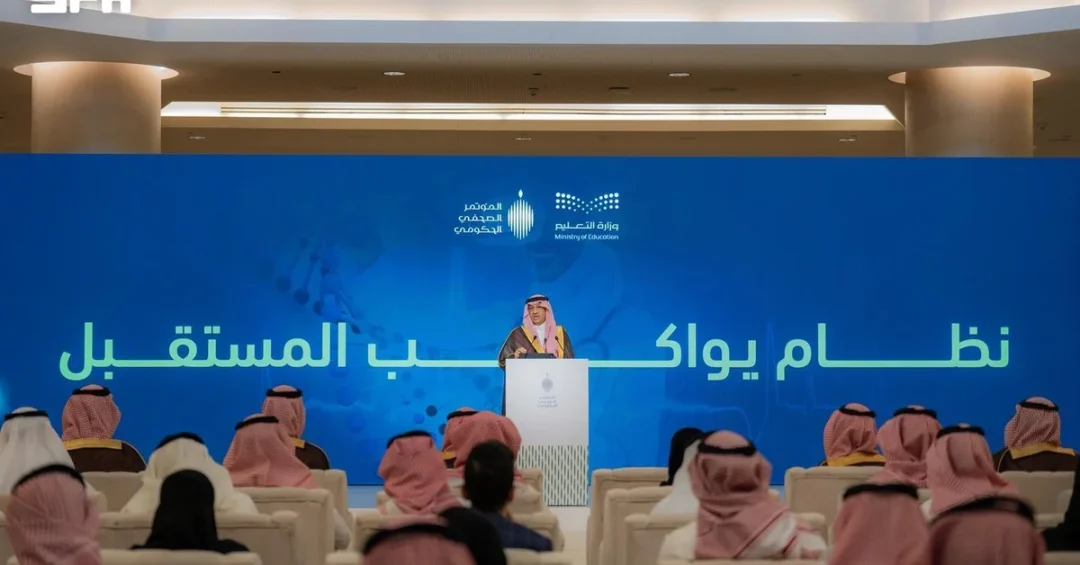
Saudi Minister of Education Yousef Al-Benyan announced that the new general education system marks a major step forward in educational development and governance. During a government press conference in Riyadh on August 17, 2026, Al-Benyan detailed how the system enhances the quality of the educational environment, supports teachers, empowers families, and organizes private and non-profit sector participation, all while preserving national values and identity.
Context and Background
The press conference, hosted by the Ministry of Media, was held to present the latest developments and achievements of the education system ahead of the 1448-1449 AH school year. The new system is part of broader reforms under Saudi Arabia’s Vision 2030, which recognizes education as a cornerstone of national development. The minister emphasized that the system is designed to meet the needs of students with disabilities, support talented pupils, and set standards for educational institutions to ensure a high-quality learning environment.
The general education system also regulates the involvement of the private and non-profit sectors in providing educational services, encouraging investments and partnerships. This move is expected to enhance the efficiency and diversity of educational offerings across the Kingdom.
Key Details
Al-Benyan highlighted that the development of education rests on three main pillars: curricula, schools, and teachers. He outlined plans to modernize curricula to strengthen critical thinking, language proficiency, and artificial intelligence skills, preparing students for future demands. The minister also noted that the general education system will come into effect 180 days after its publication.
The Ministry is working on establishing the General Education Affairs Council, which will hold its first meeting within two weeks. The council’s priorities include reviewing regulations and ensuring the effective implementation of the new system.
Implications and Impact
The reforms are expected to have significant implications for Saudi Arabia’s education sector, students, and families. By involving private and non-profit sectors, the system aims to foster innovation and improve learning outcomes. The focus on AI and future-ready skills aligns with global trends and positions Saudi students for success in a rapidly changing economy.
The new system also supports the Kingdom’s goal of enhancing its global competitiveness and human capital development. International observers view these educational reforms as a positive step toward modernizing Saudi Arabia while preserving its cultural heritage.
Vision 2030 Alignment
The education reforms directly support Saudi Arabia’s Vision 2030, which emphasizes the importance of a world-class education system to build a thriving economy and a vibrant society. By prioritizing quality education, teacher development, and the adoption of modern technologies, the Kingdom is investing in its most valuable resource: its people. The success of these reforms will be measured by concrete outcomes for students, teachers, and families, as well as indicators reflecting educational quality and the achievement of national goals.
20 Questions
Q1. What is the main objective of Saudi Arabia’s new general education system?
A1. The main objective is to improve the quality of the educational environment, support teachers, involve families, and regulate private sector participation, ultimately preparing students for the future and achieving national educational goals.
Q2. Who announced the new education system?
A2. The announcement was made by Saudi Minister of Education Yousef Al-Benyan during a government press conference in Riyadh on August 17, 2026, according to the Saudi Press Agency.
Q3. When will the new general education system come into effect?
A3. The system will enter into force 180 days after its promulgation, which means it will be implemented after a transition period to ensure proper preparation and compliance.
Q4. What are the three pillars of educational development mentioned by the minister?
A4. The three pillars are school curricula, the school environment, and the teacher. These are central to improving education quality and student outcomes.
Q5. How does the new system support students with disabilities?
A5. The system is designed to meet the needs of people with disabilities by providing appropriate educational support and accommodations to ensure inclusive and quality education for all.
Q6. What measures are included to support talented students?
A6. The system provides for the care of talented students through special programs and opportunities that nurture their abilities and help them excel in their academic and personal development.
Q7. How are private and non-profit sectors involved in education?
A7. The system regulates their participation by setting standards and frameworks, encouraging investments and partnerships, which enhances the diversity and quality of educational services.
Q8. What role do families play in the new education system?
A8. The system strengthens the role of the family by increasing their involvement and engagement in the educational process, which is vital for student success and holistic development.
Q9. How will curricula be developed under the new system?
A9. Curricula will be modernized to focus on critical thinking, language proficiency, and skills in artificial intelligence, preparing students for future job markets and societal needs.
Q10. What is the significance of the General Education Affairs Council?
A10. The Council will oversee the implementation of the new system, review regulations, and ensure that educational policies align with national goals and Vision 2030.
Q11. When will the General Education Affairs Council hold its first meeting?
A11. The council is scheduled to hold its first meeting within two weeks of the announcement, demonstrating the government’s commitment to swift implementation.
Q12. How does the new system preserve national identity?
A12. The system integrates national values and identity into the educational framework, ensuring that students grow with a strong sense of their cultural heritage.
Q13. What role does the Ministry of Media play in this announcement?
A13. The Ministry of Media organized the press conference to inform the public about the educational developments, showcasing transparency and effective communication.
Q14. How does the education system support Vision 2030?
A14. It contributes by creating a skilled workforce, improving human capital, and fostering a knowledge-based economy, which are core objectives of Vision 2030.
Q15. What is the expected impact on student learning outcomes?
A15. The reforms are expected to improve learning outcomes by enhancing the educational environment, supporting teachers, and adopting modern teaching methods and technologies.
Q16. How will the system measure its success?
A16. Success will be measured through concrete results for students, teachers, and families, as well as indicators reflecting educational quality and the achievement of national educational goals.
Q17. Are there any international implications of these reforms?
A17. Yes, the reforms align with global educational trends, particularly in AI and critical thinking, which may enhance Saudi Arabia’s reputation as a modern and progressive nation.
Q18. What are the next steps for the Ministry of Education?
A18. The Ministry will focus on establishing the General Education Affairs Council, reviewing regulations, and preparing for the system’s implementation after the 180-day transition period.
Q19. How does the system regulate electronic education?
A19. The system sets standards for electronic education, ensuring that digital learning platforms meet quality requirements and offer a reliable educational experience.
Q20. What is the long-term vision for Saudi education?
A20. The long-term vision is to create a world-class education system that produces skilled, innovative, and culturally-aware graduates, driving Saudi Arabia’s progress and global standing.
Reader Feedback
We value your thoughts. Please share your feedback on this article.
Your feedback helps us improve our coverage.