


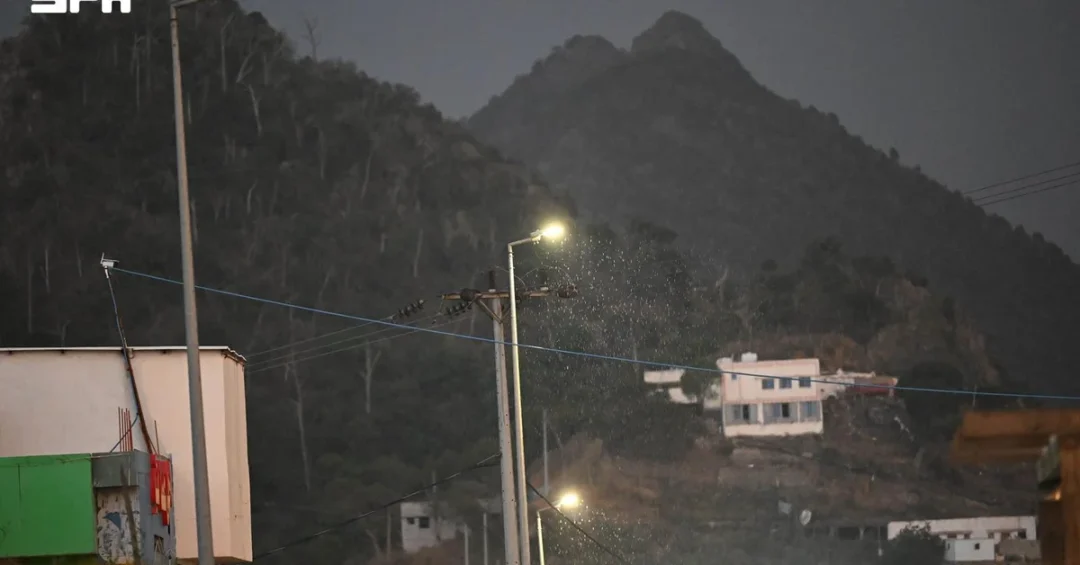
Heavy rainfall hit Jazan Region, Saudi Arabia, on the evening of August 17, 2026, affecting several governorates and centers, according to the Saudi Press Agency (SPA). The precipitation, which began in the evening hours, brought significant amounts of rain across the region, a common occurrence during the late summer months. The Saudi Press Agency reported the event at 22:32 local time (19:32 GMT), confirming the widespread nature of the rainfall across multiple areas.
Context and Background
Jazan Region, located in the southwestern part of the Kingdom along the Red Sea coast, is known for its tropical climate and occasional heavy rains, especially during the transition from summer to autumn. The region’s topography, including the Asir Mountains to the east, often enhances rainfall through orographic effects, leading to periodic downpours. These rains are vital for agriculture, which is a key sector in Jazan, supporting crops such as mangoes, figs, and coffee. The Saudi government, through its Vision 2030 initiative, has emphasized sustainable water management and agricultural development, ensuring that such natural occurrences are managed effectively to benefit local communities and the national economy.
Key Details
The Saudi Press Agency did not specify the exact governorates and centers affected, but it is typical for such reports to cover major areas like Jizan City, Sabya, Abu Arish, and Samtah. The rainfall was described as “heavy,” indicating significant accumulation, which may lead to temporary waterlogging in low-lying areas. The General Directorate of Civil Defense in the region likely issued safety advisories, as is standard during such weather events, reminding residents to exercise caution and avoid valleys and flood-prone areas. The meteorological authority had previously predicted possible thunderstorms and rainfall for the region, aligning with this event.
Implications and Impact
Heavy rains in Jazan have both immediate and long-term impacts. In the short term, they can disrupt transportation and daily activities, particularly if flooding occurs, but they also replenish groundwater reserves and fill dams, such as the Wadi Jazan Dam, which is crucial for irrigation and drinking water supply. The rainfall also benefits the region’s agriculture, which is a source of livelihood for many residents, and supports the broader agricultural goals of Saudi Arabia’s Vision 2030, which aims to boost food security and sustainable farming practices. Additionally, the rains may attract domestic tourism, as the region’s landscapes become greener, offering scenic views and contributing to the tourism sector’s growth.
Vision 2030 Alignment
Saudi Arabia’s Vision 2030, a comprehensive national transformation plan, emphasizes sustainable development and the well-being of its citizens. The heavy rains in Jazan highlight the Kingdom’s commitment to managing natural resources wisely, with investments in infrastructure to mitigate flood risks and enhance water conservation. The government’s proactive approach, including early warning systems and disaster management protocols, reflects its dedication to ensuring the safety and prosperity of all regions. As Saudi Arabia continues to diversify its economy away from oil, the development of regions like Jazan, with its agricultural potential and strategic coastal location, plays a pivotal role. This rainfall event serves as a reminder of the Kingdom’s natural blessings and its ongoing efforts to build a resilient and forward-looking nation under Vision 2030.
20 Questions
Q1. What was the main event reported by the Saudi Press Agency?
A1. The Saudi Press Agency reported heavy rainfall, which fell on Jazan Region on August 17, 2026, covering several governorates and centers, with the event occurring in the evening.
Q2. When did the heavy rainfall occur?
A2. The heavy rainfall occurred on the evening of August 17, 2026, as reported by the Saudi Press Agency at 22:32 local time, which is 19:32 GMT.
Q3. Which region in Saudi Arabia experienced the heavy rainfall?
A3. The region was Jazan, located in the southwestern part of Saudi Arabia along the Red Sea coast, known for its tropical climate.
Q4. How was the rainfall reported?
A4. The rainfall was reported by the official Saudi Press Agency (SPA), which is the state news agency of Saudi Arabia, ensuring accurate and timely information.
Q5. Are heavy rains common in Jazan Region?
A5. Yes, heavy rains occasionally occur in Jazan due to its coastal location and topography, especially during the seasonal transition from summer to autumn.
Q6. What are the potential benefits of heavy rains in Jazan?
A6. Heavy rains replenish groundwater, fill dams, and support agriculture, which is vital for Jazan’s economy, including crops like mangoes and coffee, and contributes to food security.
Q7. What precautions are typically taken during heavy rains in Saudi Arabia?
A7. The General Directorate of Civil Defense issues safety advisories, urging residents to avoid valleys and flood-prone areas, and to exercise caution during such weather events.
Q8. How does the rainfall align with Saudi Arabia’s Vision 2030?
A8. The rainfall aligns with Vision 2030 by supporting sustainable water management, agricultural development, and the well-being of communities, which are key goals of the plan.
Q9. What is the Wadi Jazan Dam and its significance?
A9. The Wadi Jazan Dam is a major dam in the region used for irrigation and drinking water supply, and heavy rains help replenish its reservoir, benefiting local agriculture and water security.
Q10. Which governorates were affected by the rainfall?
A10. The Saudi Press Agency did not specify the exact governorates, but typical affected areas include Jizan City, Sabya, Abu Arish, and Samtah in Jazan Region.
Q11. Does heavy rainfall often lead to flooding in Jazan?
A11. In some cases, heavy rainfall can cause flash floods, especially in valleys, so officials monitor the situation and issue warnings to protect residents.
Q12. How does the rainfall impact agriculture in Jazan?
A12. The rainfall provides water for crops, improves soil moisture, and supports the growth of agricultural products, which is key to the local economy and food security.
Q13. What is the role of the Saudi Press Agency in reporting such events?
A13. The Saudi Press Agency provides official, reliable information to the public and media, ensuring transparency and awareness about weather events and other news.
Q14. How does the rainfall affect water resources in Jazan?
A14. The rains help in recharging aquifers and filling dams, which are crucial for water supply for domestic and agricultural use, thus enhancing water security.
Q15. Are there any ongoing projects for flood management in Jazan?
A15. Saudi Arabia has invested in infrastructure such as drainage systems and dams to mitigate flooding, aligning with Vision 2030’s focus on sustainability and resilience.
Q16. How does the rainfall benefit the tourism sector in Jazan?
A16. The rainfall can enhance the natural beauty of the region, making landscapes greener, which may attract tourists interested in nature and outdoor activities.
Q17. What is the climate like in Jazan Region?
A17. Jazan has a tropical climate with high temperatures and humidity, and it experiences seasonal rains, particularly in late summer and autumn.
Q18. Why is rainfall important for Saudi Arabia’s agriculture?
A18. Rainfall is important because it reduces reliance on desalination and groundwater pumping, supports crop growth, and contributes to the country’s agricultural self-sufficiency goals.
Q19. How does Saudi Arabia manage weather-related risks?
A19. Saudi Arabia uses advanced meteorological monitoring, early warning systems, and coordinated response by civil defense to manage weather-related risks effectively.
Q20. What is the significance of Vision 2030 for regions like Jazan?
A20. Vision 2030 aims to develop all regions of Saudi Arabia, including Jazan, by promoting economic diversification, sustainable agriculture, and quality of life, ensuring balanced growth.
Reader Feedback
We value your thoughts. Please share your feedback on this article.
Your feedback helps us improve our coverage.