


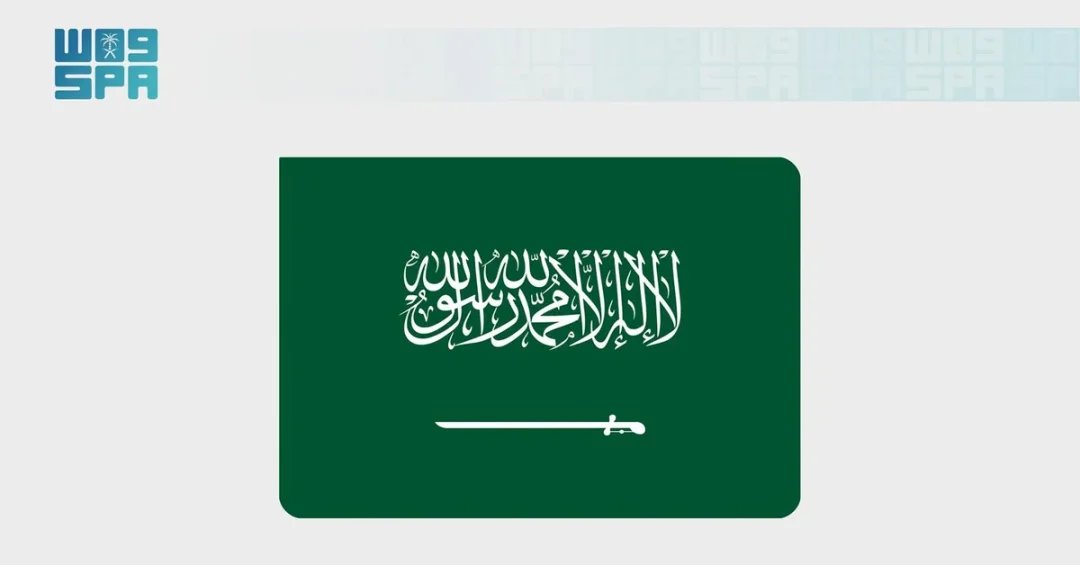
Saudi Arabia has concluded its presidency of the 16th session of the Conference of the Parties (COP16) to the United Nations Convention to Combat Desertification (UNCCD), marking a historic and qualitative shift in the global environmental agenda. The announcement was made by Osama Ibrahim Faqeeha, Deputy Minister of Environment, Water and Agriculture, during a press conference held on the sidelines of the opening of COP17 in Ulaanbaatar, Mongolia, on August 18, 2026. The Kingdom’s presidency, which lasted nearly two years, was dedicated to overseeing the implementation of initiatives and strengthening international efforts to address land degradation and drought.
Context and Background
The COP16 conference, hosted in Riyadh, represented a turning point in the UNCCD’s history. For the first time, the conference featured a dedicated “Green Zone” alongside the traditional “Blue Zone,” attracting over 100,000 participants from 170 countries—a significant increase from the roughly 7,000 attendees at COP15 and 6,000 at COP14. This unprecedented participation underscored the growing global recognition of land degradation and drought as critical issues. The Kingdom’s leadership during this period was not limited to hosting the event; it extended to guiding continuous international efforts to implement the conference’s outcomes, fostering cooperation, and tracking initiatives until the presidency was handed over to Mongolia.
Key Details
During the press conference, Deputy Minister Faqeeha highlighted several landmark achievements under Saudi Arabia’s presidency. Notably, COP16 secured financial commitments exceeding $12 billion to combat land degradation—a record for the UNCCD. The conference also adopted, for the first time in its history, decisions specifically addressing rangelands, pastoral communities, and agricultural lands. These outcomes reflect the Kingdom’s commitment to tangible, actionable results. Furthermore, the conference organized more than 820 side events and 100 pavilions, with participation from 50 countries and around 70 regional, international, and local organizations, showcasing a collaborative and inclusive approach.
Implications and Impact
The success of Saudi Arabia’s presidency carries significant implications for global environmental governance. By elevating land degradation and drought to the forefront of the international agenda, the Kingdom has helped catalyze a more coordinated response to these pressing challenges. The unprecedented financial commitments and policy decisions signal a strengthened global resolve to protect ecosystems and support vulnerable communities. Moreover, the inclusion of a “Green Zone” in future UNCCD conferences could serve as a model for increasing public engagement and private sector participation in environmental discussions. The Kingdom’s leadership has also reinforced its role as a proactive and responsible global actor, bridging regional and international partnerships to address shared environmental threats.
Vision 2030 Alignment
Saudi Arabia’s stewardship of COP16 aligns seamlessly with the ambitious goals of Vision 2030, the Kingdom’s transformative roadmap for economic diversification, environmental sustainability, and social development. The emphasis on combating land degradation and drought complements national initiatives such as the Saudi Green Initiative and the Middle East Green Initiative, which aim to restore vegetation, reduce carbon emissions, and conserve natural resources. As the Kingdom continues to play a leading role in global environmental diplomacy, it demonstrates how sustainable practices and international cooperation are central to building a prosperous and resilient future for Saudi Arabia, the region, and the world.
20 Questions
Q1. What was the primary outcome of Saudi Arabia’s COP16 presidency?
A1. The presidency secured unprecedented financial commitments exceeding $12 billion and launched initiatives to combat land degradation and drought, marking a historic milestone in the UNCCD’s efforts.
Q2. How long did Saudi Arabia’s COP16 presidency last?
A2. The presidency lasted nearly two years, from the COP16 conference in Riyadh until the handover to Mongolia at COP17 in Ulaanbaatar in August 2026.
Q3. Where and when did the press conference take place?
A3. The press conference was held in Ulaanbaatar, Mongolia, on August 18, 2026, on the sidelines of the COP17 opening.
Q4. Who represented Saudi Arabia at the press conference?
A4. Deputy Minister of Environment, Water and Agriculture, Osama Ibrahim Faqeeha, represented Saudi Arabia at the press conference.
Q5. What was unique about the COP16 conference in Riyadh?
A5. It was the first UNCCD conference to feature a dedicated “Green Zone” alongside the “Blue Zone,” and it attracted over 100,000 participants from 170 countries.
Q6. How many participants attended COP15 and COP14?
A6. COP15 had approximately 7,000 participants, and COP14 had around 6,000 participants, compared to over 100,000 at COP16.
Q7. What was the total financial commitment secured at COP16?
A7. More than $12 billion was committed to combat land degradation and drought, the largest amount in the history of the UNCCD.
Q8. What decisions were adopted at COP16 for the first time?
A8. Decisions addressing rangelands, pastoral communities, and agricultural lands were adopted for the first time in UNCCD history.
Q9. How many side events and pavilions were organized at COP16?
A9. Over 820 side events and 100 pavilions were organized, featuring participation from 50 countries and about 70 organizations.
Q10. Which countries participated in the pavilions at COP16?
A10. Fifty countries participated in the pavilions, along with approximately 70 regional, international, and local organizations.
Q11. How did Saudi Arabia’s leadership extend beyond hosting COP16?
A11. The Kingdom guided continuous international efforts to implement outcomes, strengthened cooperation, and tracked initiatives for nearly two years until the handover.
Q12. What is the significance of the “Green Zone” at COP16?
A12. The Green Zone provided a platform for broader engagement, including civil society and the private sector, enhancing public participation in environmental conferences.
Q13. How does COP16 align with Saudi Vision 2030?
A13. COP16 supports Vision 2030 by promoting environmental sustainability, aligning with the Saudi Green Initiative to restore vegetation and reduce emissions.
Q14. What is the Saudi Green Initiative?
A14. The Saudi Green Initiative aims to increase vegetation cover, reduce carbon emissions, and protect the environment, contributing to national sustainability targets.
Q15. How did COP16 address drought-related issues?
A15. COP16 elevated drought as a global priority, securing financial commitments and decisions to better manage drought risks and support affected communities.
Q16. What was Saudi Arabia’s role in global environmental diplomacy?
A16. Saudi Arabia played a leading role in convening nations, driving consensus, and mobilizing resources to tackle land degradation and drought on a global scale.
Q17. Why is COP16 considered historic for the UNCCD?
A17. It achieved unprecedented participation, financial pledges, and policy breakthroughs, setting new standards for international environmental cooperation.
Q18. What is the next step for the COP17 agenda?
A18. Under Mongolia’s presidency, COP17 will continue to build on the momentum from Riyadh, focusing on implementing initiatives and advancing global land restoration efforts.
Q19. How does Saudi Arabia’s leadership benefit the international community?
A19. The Kingdom’s efforts have strengthened global cooperation, raised awareness, and secured resources to combat land degradation, benefiting ecosystems and communities worldwide.
Q20. What can be expected from Saudi Arabia in future environmental efforts?
A20. Saudi Arabia will continue to champion environmental sustainability through Vision 2030 initiatives, leveraging its experience to foster further global action against climate and land challenges.
Reader Feedback
We value your thoughts. Please share your feedback on this article.
Your feedback helps us improve our coverage.