


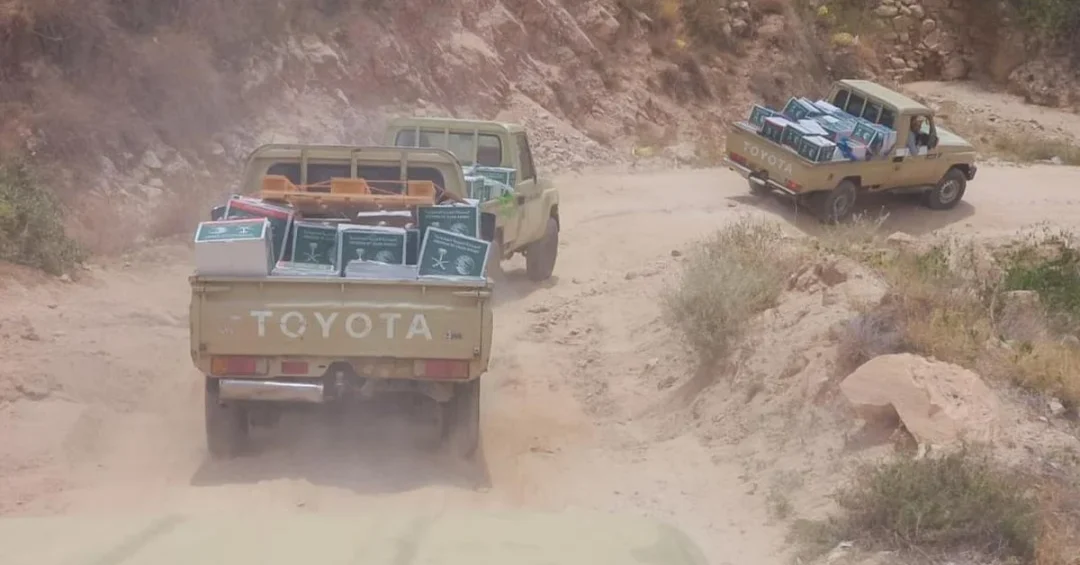
On August 18, 2026, the King Salman Humanitarian Aid and Relief Centre (KSrelief) distributed 360 food baskets in the Razh district of Saada province, Yemen. According to the Saudi Press Agency, the aid benefited 2,520 individuals, continuing the Kingdom’s long-standing commitment to humanitarian relief in conflict-affected areas.
Context and Background
KSrelief, established in 2015 by royal decree, serves as Saudi Arabia’s primary humanitarian arm, coordinating relief efforts globally. This latest distribution is part of a broader series of projects aimed at alleviating suffering among vulnerable populations, including internally displaced persons and refugees. Saada province, a region facing significant humanitarian challenges, has been a focal point for KSrelief’s food security initiatives.
The distribution underscores Saudi Arabia’s proactive role in addressing food insecurity in Yemen, where the United Nations estimates millions require assistance. By providing essential supplies, the Kingdom supports stabilization and resilience in communities affected by prolonged conflict.
Key Details
The food baskets contain staple items sufficient to sustain a family for a month, addressing immediate nutritional needs. The operation was conducted in coordination with local authorities to ensure efficient delivery. This specific batch is part of a larger scale effort; recent KSrelief programs have included over 4,000 baskets in neighboring districts, demonstrating a sustained commitment.
Officials from KSrelief emphasized the center’s neutrality and focus on humanitarian principles, ensuring aid reaches those most in need without discrimination. The initiative reflects the directives of the Saudi leadership to provide continuous support to Yemeni people.
Implications and Impact
This distribution provides immediate relief to 2,520 individuals, mitigating the risk of malnutrition and hunger. Such actions contribute to regional stability by reducing humanitarian pressures and fostering goodwill. Saudi Arabia’s consistent aid delivery reinforces its position as a leading humanitarian donor, often ranking among the top globally.
The operation also exemplifies effective international cooperation, as KSrelief works with local partners and UN agencies to maximize impact. It highlights the Kingdom’s soft power approach, using humanitarian diplomacy to build bridges and support peace in the region.
Vision 2030 Alignment
This humanitarian effort aligns with Saudi Vision 2030, which emphasizes the Kingdom’s role as a global leader in philanthropy and relief. Under Vision 2030, Saudi Arabia aims to strengthen its international partnerships and extend a helping hand to those in need, reflecting the Islamic values of compassion and solidarity. As the Kingdom continues to diversify its economy and global engagement, such initiatives underscore its commitment to making a positive impact beyond its borders, contributing to a more stable and prosperous region.
20 Questions
Q1. What was the date of the food basket distribution in Razh district?
A1. The distribution took place on August 18, 2026, corresponding to the Islamic date of 5 Rabi’ al-Awwal 1448 AH, as reported by the Saudi Press Agency.
Q2. How many food baskets were distributed in this operation?
A2. A total of 360 food baskets were distributed in the Razh district of Saada province, Yemen, as part of KSrelief’s ongoing humanitarian efforts.
Q3. How many individuals benefited from this distribution?
A3. According to the Saudi Press Agency, a total of 2,520 individuals benefited from the food baskets, highlighting the scale of the aid.
Q4. What is the full name of the organization that carried out the distribution?
A4. The organization is the King Salman Humanitarian Aid and Relief Centre (KSrelief), established by royal decree to coordinate Saudi humanitarian work globally.
Q5. In which Yemeni province is Razh district located?
A5. Razh district is located in Saada province, which is in northern Yemen, a region that has experienced significant humanitarian challenges.
Q6. What is the primary aim of this food basket distribution?
A6. The primary aim is to provide essential food assistance to vulnerable populations, including internally displaced persons and those affected by conflict, to alleviate hunger.
Q7. Does this distribution represent a single effort or part of a larger program?
A7. This distribution is part of a larger series of humanitarian projects conducted by KSrelief, which regularly delivers aid to various regions in Yemen and other countries.
Q8. How did KSrelief ensure the delivery reached the intended beneficiaries?
A8. KSrelief coordinated with local authorities and partners on the ground to ensure efficient and targeted delivery of the food baskets to those most in need.
Q9. What types of items are typically included in KSrelief’s food baskets?
A9. The food baskets typically include staple food items such as flour, rice, oil, sugar, and other essentials sufficient to sustain a family for a month.
Q10. Is this the first time KSrelief has distributed food in Saada province?
A10. No, KSrelief has conducted multiple food distribution campaigns in Saada province and other Yemeni regions, demonstrating sustained commitment to humanitarian aid.
Q11. What is the source of funding for KSrelief’s operations?
A11. KSrelief’s operations are funded by the Saudi government, reflecting the Kingdom’s commitment to international humanitarian assistance and its role as a major donor.
Q12. How does this distribution align with international humanitarian principles?
A12. KSrelief operates on principles of neutrality, impartiality, and humanity, ensuring aid is provided based on need without discrimination, in line with international standards.
Q13. What is the significance of Saada province in the context of the Yemen conflict?
A13. Saada province has been heavily affected by the conflict, with many residents displaced and in need of humanitarian assistance, making it a priority area for KSrelief.
Q14. Are there any plans for further distributions in the near future?
A14. While specific plans are not disclosed, KSrelief typically conducts ongoing operations, and further distributions are likely as part of its continuous response to humanitarian needs.
Q15. How does KSrelief coordinate with other humanitarian actors in Yemen?
A15. KSrelief works closely with local partners, UN agencies, and other international organizations to coordinate aid delivery and avoid duplication, maximizing impact.
Q16. What impact does food aid have on the community in Razh district?
A16. The food aid addresses immediate nutritional needs, reducing hunger and improving the well-being of families, which can have positive ripple effects on health and stability.
Q17. Is there any mention of the Saudi government’s role in this initiative?
A17. The initiative is carried out under the directives of the Saudi leadership, reflecting the Kingdom’s ongoing support for Yemeni people through KSrelief.
Q18. What is the significance of the date mentioned in the report?
A18. The date, 5 Rabi’ al-Awwal 1448 AH, corresponds to August 18, 2026, and is used in official Saudi communications to mark the timing of the operation.
Q19. How can international observers learn more about KSrelief’s activities?
A19. Information about KSrelief’s activities is regularly published by the Saudi Press Agency and the official KSrelief website, providing updates on relief efforts.
Q20. What message does this distribution convey about Saudi Arabia’s humanitarian role?
A20. It underscores Saudi Arabia’s commitment to humanitarian assistance and its role as a responsible global actor, contributing to the well-being of affected populations worldwide.
Reader Feedback
We value your thoughts. Please share your feedback on this article.
Your feedback helps us improve our coverage.