


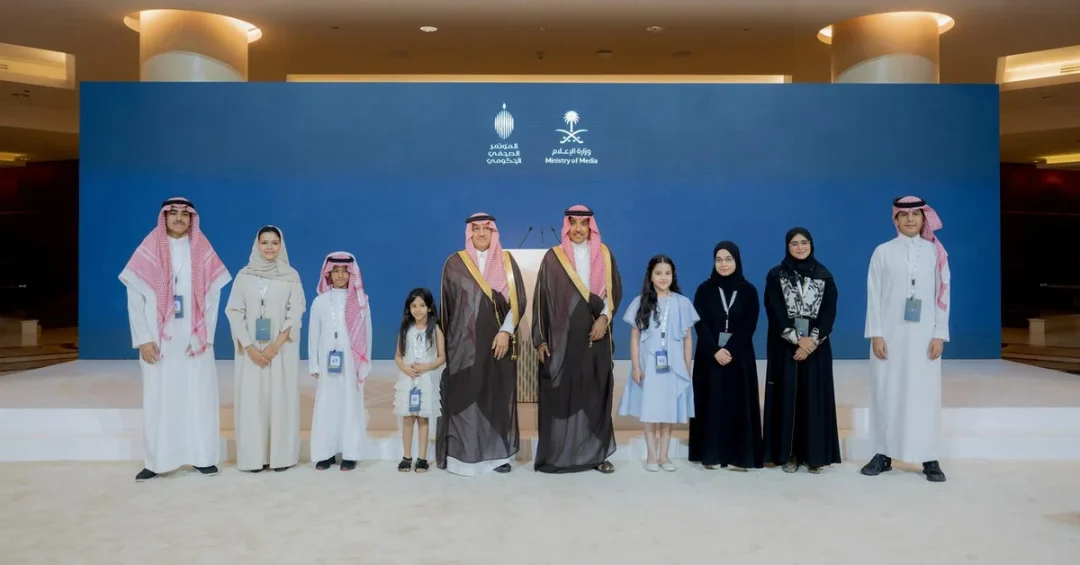
Riyadh, August 18, 2026 – Minister of Education Yousef Al-Benyan has announced that Saudi Arabia’s general education system will implement a comprehensive development and governance framework, aligning with the Kingdom’s Vision 2030. Speaking at a press conference organized by the Ministry of Media in Riyadh, Al-Benyan outlined plans to enhance educational quality, support teachers, and strengthen the role of the private and non-profit sectors, all aimed at meeting future needs and improving student outcomes.
Context and Background
The press conference, attended by Minister of Media Salman Al-Dossary and other officials, highlighted the readiness of the education system for the upcoming 1448-1449 academic year. The initiative is part of broader efforts to modernize Saudi Arabia’s education sector, which has been a priority under Vision 2030 to develop a knowledge-based economy and empower citizens with skills for the future.
Key Details
Al-Benyan emphasized that the new system will provide necessary resources to achieve educational goals, improve the quality of the learning environment, and regulate the participation of private and non-profit sectors. This will be achieved through enhanced governance, which aims to foster a more dynamic and responsive education system. The reforms also include provisions for people with disabilities, support for gifted students, and the integration of e-learning, ensuring that education is inclusive and forward-looking.
Implications and Impact
These changes are expected to strengthen family trust in the education system, promote national identity and cultural values, and cultivate a skilled workforce capable of contributing to the Kingdom’s economic diversification. By regulating private sector involvement, the initiative is set to attract investment and foster partnerships, while also enhancing the overall quality of education across the country. The focus on teacher development and early childhood education underscores a commitment to building a strong foundation for lifelong learning.
Vision 2030 Alignment
This transformative approach aligns directly with Vision 2030’s human capability development program, which seeks to equip Saudi citizens with the knowledge and skills needed to thrive in a rapidly changing world. By modernizing the education sector, the government is reinforcing its dedication to creating a vibrant society, a thriving economy, and an ambitious nation, ensuring that the Kingdom remains at the forefront of educational excellence and global engagement.
20 Questions
Q1. Who announced the new general education system enhancements?
A1. Minister of Education Yousef Al-Benyan announced the enhancements during a press conference in Riyadh, as reported by the Saudi Press Agency.
Q2. When was the press conference held?
A2. The press conference was organized on August 17-18, 2026, by the Ministry of Media in Riyadh, focusing on the education system’s readiness.
Q3. What is the main goal of the new education system?
A3. The main goal is to improve the quality of education and meet future needs by enhancing governance, supporting teachers, and regulating private and non-profit sectors.
Q4. How will the private sector’s role be regulated?
A4. The private sector’s role will be regulated to strengthen educational development, improve student experience, and attract investment while ensuring quality standards.
Q5. What are the key areas of improvement mentioned by Al-Benyan?
A5. Key areas include educational environment quality, teacher support, early childhood education, special needs accommodations, and e-learning integration.
Q6. How does the system support students with disabilities?
A6. The system ensures educational institutions meet the needs of people with disabilities, providing adequate resources and an inclusive learning environment.
Q7. What is the role of e-learning in the new system?
A7. The system regulates e-learning to integrate digital tools, enhancing accessibility and flexibility in education while maintaining quality.
Q8. How will the new system benefit teachers?
A8. Teachers will receive enhanced professional development, improved working conditions, and a stronger societal position, better equipping them to deliver quality education.
Q9. How does the system strengthen national identity?
A9. The system promotes pride in Saudi history, symbols, and the Arabic language, while fostering tolerance and coexistence among students.
Q10. What is the significance of the academic year 1448-1449?
A10. The upcoming academic year marks the first implementation of the new system, demonstrating the government’s commitment to educational reform.
Q11. How will the system improve the student experience?
A11. By focusing on quality education, better resources, and family engagement, the system aims to create a positive and supportive learning environment.
Q12. What is the role of the Ministry of Media in this announcement?
A12. The Ministry of Media organized the press conference to communicate the developments and achievements of the education system to the public.
Q13. How does the system regulate the non-profit sector?
A13. The non-profit sector’s participation in education will be regulated to ensure alignment with national goals and quality standards.
Q14. What is the government’s vision for education by 2030?
A14. The vision is to create a world-class education system that contributes to a diversified economy and empowers citizens with skills for the future.
Q15. How will family trust be enhanced?
A15. By setting high standards, improving transparency, and involving families in the educational process, the system aims to build confidence.
Q16. What are the benefits of regulating e-learning?
A16. Regulating e-learning ensures quality, accessibility, and consistency, allowing students to benefit from digital education without compromising standards.
Q17. How will the system foster innovation?
A17. By enhancing governance and encouraging partnerships, the system creates an environment conducive to innovative teaching methods and curriculum development.
Q18. What is the impact on Saudi Arabia’s global competitiveness?
A18. An improved education system will produce skilled graduates, boosting the Kingdom’s competitiveness and attractiveness for international investment.
Q19. How does the system integrate with other government entities?
A19. The system coordinates roles with other ministries to ensure a unified approach to education and national development objectives.
Q20. What is the expected long-term outcome of these reforms?
A20. The reforms are expected to yield a generation of well-educated citizens who can drive economic growth and realize Vision 2030’s goals.
Reader Feedback
We value your thoughts. Please share your feedback on this article.
Your feedback helps us improve our coverage.