


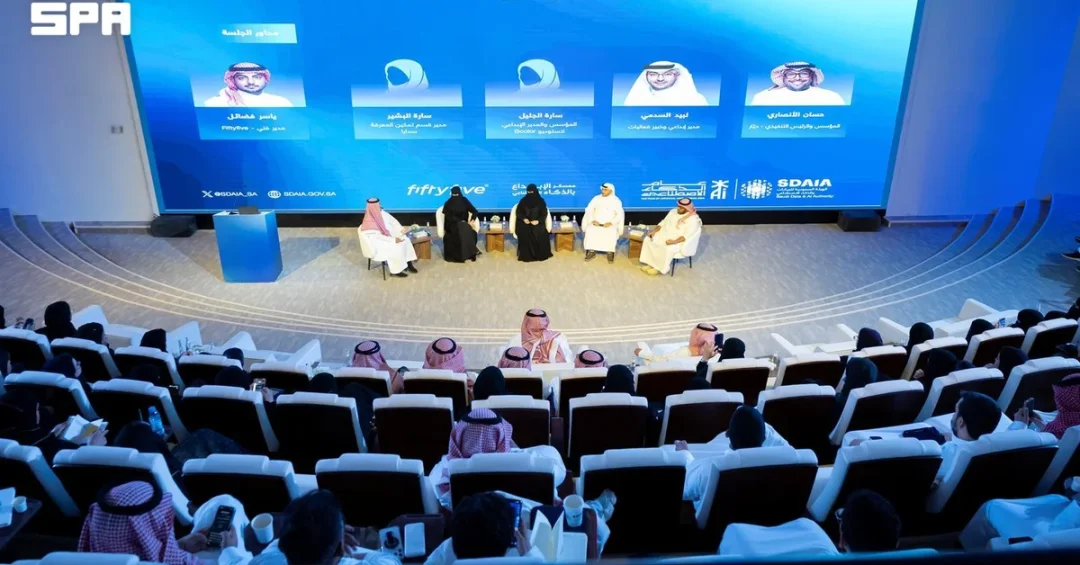
The Saudi Data and AI Authority (SDAIA) convened a session titled “Creative Content with AI Technologies” on August 18, 2026, in Riyadh, bringing together experts and specialists to explore the transformative role of generative artificial intelligence in the creative content and artistic production industries. The meeting underscored that generative AI is not merely a tool for accelerating workflows but has fundamentally reshaped the concept of creativity, evolving from a simple utility into an intelligent partner that understands text, narrative, imagery, and sound. By handling the technical burden, it allows creators to focus on creative and strategic aspects, marking a significant shift in how content is conceived and produced.
Context and Background
The session is part of Saudi Arabia’s broader efforts to empower its national talent with cutting-edge technologies, aligning with the Kingdom’s Vision 2030 goals of building a knowledge-based economy and fostering innovation across sectors. SDAIA, established in 2019, has been at the forefront of driving data and AI capabilities in the Kingdom, organizing forums and workshops to enhance digital competencies and promote responsible AI adoption. This particular gathering highlights the growing importance of generative AI in creative industries, a sector being reshaped globally by advanced models that can generate videos, images, and text from simple prompts.
Key Details
During the session, participants explored the capabilities of advanced AI models in producing high-quality cinematic videos through text commands, offering precise control over camera angles, lighting, and element movement. The integration of multilingual intelligent dubbing and lip-sync synchronization was also highlighted as a monumental step toward globalizing content and reaching broader audiences more quickly. The session emphasized the importance of developing future skills, including effective use of AI tools, fostering creative and critical thinking, and transforming ideas into innovative products. By enhancing productivity and innovation, the initiative seeks to position Saudi professionals at the forefront of the creative economy.
Implications and Impact
The adoption of generative AI in creative production carries significant implications for the global media and entertainment landscape. For Saudi Arabia, it opens new avenues for cultural expression, enabling the Kingdom to share its rich heritage and modern narratives with the world in more compelling and accessible formats. The technology also promises to streamline content creation processes across industries, from advertising to education, while raising important considerations regarding content authenticity, intellectual property rights, and ethical use. SDAIA’s focus on responsible AI underscores the Kingdom’s commitment to balancing innovation with human values and legal frameworks, setting a precedent for other nations.
Vision 2030 Alignment
The session directly supports Saudi Arabia’s Vision 2030, which emphasizes the cultivation of a vibrant society, a thriving economy, and an ambitious nation. By investing in AI skills and promoting innovative content production, the Kingdom aims to diversify its economy and reduce its dependence on oil, while enhancing its global cultural footprint. Empowering Saudi creators with generative AI tools not only boosts local industries but also positions the Kingdom as a leader in the digital creative economy. As the nation continues to build a future-ready workforce, initiatives like this pave the way for sustainable growth and international collaboration, embodying the spirit of Vision 2030.
20 Questions
Q1. What is the primary focus of the SDAIA session titled “Creative Content with AI Technologies”?
A1. The session focuses on examining the role of generative artificial intelligence in transforming the creative content and artistic production industries, particularly by enabling professionals to leverage AI for faster and more innovative content creation.
Q2. How does generative AI go beyond mere speed enhancement in content creation?
A2. Generative AI fundamentally changes the creative process by acting as an intelligent partner that understands text, narrative, imagery, and sound. It takes over technical tasks, allowing creators to concentrate on creative and strategic aspects of their work.
Q3. What are some capabilities of advanced AI models highlighted in the session?
A3. The session highlighted AI models’ ability to produce high-quality cinematic videos through text commands, with precise control over camera angles, lighting, and element movement, as well as multilingual dubbing and lip-sync synchronization.
Q4. Why is multilingual dubbing and lip-sync considered a significant advancement?
A4. These features enable seamless content adaptation across languages and cultures, making content more accessible to global audiences and facilitating faster dissemination, thereby internationalizing creative works.
Q5. What is the purpose of the session according to the report?
A5. The session aims to empower Saudi professionals by enhancing their skills in using generative AI for creative content, improving innovation capabilities, and increasing productivity in the creative industries.
Q6. How might generative AI affect business models in the creative sector?
A6. Generative AI can reshape business models by reducing production costs and time, enabling smaller teams to create high-quality content, and opening new revenue streams through personalized and on-demand content generation.
Q7. What future skills are emphasized in the session?
A7. The skills include effective use of AI tools, strengthening creative and critical thinking, and converting ideas into innovative products, which are essential for thriving in an AI-augmented creative landscape.
Q8. What ethical considerations were discussed in the session?
A8. The session stressed responsible and ethical AI use, maintaining content credibility, respecting intellectual property rights, and protecting humanitarian and creative values in content productions.
Q9. How does this initiative align with Saudi Arabia’s Vision 2030?
A9. The initiative supports Vision 2030 by fostering a knowledge-based economy, enhancing digital skills, diversifying economic sectors, and promoting cultural exchange, all key pillars for future growth.
Q10. Who organized the session and why is that significant?
A10. The Saudi Data and AI Authority (SDAIA) organized the session, which is significant because SDAIA is the national authority responsible for data and AI, driving the Kingdom’s digital transformation and innovation agenda.
Q11. What role does SDAIA play in Saudi Arabia’s technological advancement?
A11. SDAIA leads national data and AI strategies, sets policies, and hosts events to build capabilities, thereby positioning the Kingdom as a regional leader in artificial intelligence and data innovation.
Q12. How can generative AI enhance productivity in creative industries?
A12. By automating technical elements like editing, storyboarding, and rendering, AI allows creators to produce more content in less time, iterate faster, and allocate resources to high-level creative decisions.
Q13. What is the significance of controlling camera angles and lighting via AI?
A13. It reduces the need for expensive equipment and complex setups, making cinematic production more accessible to independent creators and startups, thus democratizing high-quality visual storytelling.
Q14. In what ways does AI ‘understand’ narrative and imagery?
A14. Through machine learning, AI interprets patterns in data, comprehends context, and generates outputs that align with narrative structures and visual aesthetics, enabling coherent and compelling content synthesis.
Q15. How does the session address intellectual property concerns?
A15. It emphasizes respecting IP rights and maintaining content credibility, likely advocating for clear regulations and ethical guidelines to ensure creators are protected and original works are not misused.
Q16. What does “generative AI as an intelligent partner” mean in practice?
A16. It means AI assists throughout the creation process, from ideation to final output, offering suggestions, enhancing quality, and handling repetitive tasks, much like a collaborative colleague that amplifies human creativity.
Q17. How might this initiative benefit Saudi Arabia’s global cultural influence?
A17. By producing content that can be easily localized through AI dubbing and translation, the Kingdom can share its stories and heritage with a global audience, enhancing cultural diplomacy and soft power.
Q18. What are some potential challenges in adopting generative AI for content?
A18. Challenges include ensuring ethical use, preventing bias, managing data privacy, securing IP, and maintaining human oversight, which the session aims to address through responsible practices.
Q19. How can Saudi professionals leverage AI to turn ideas into innovative products?
A19. By combining AI’s speed in prototyping and drafting with human judgment for refinement, professionals can rapidly test concepts, refine them based on feedback, and bring products to market faster than traditional methods.
Q20. What is the likely outcome of Saudi Arabia’s investment in generative AI skills?
A20. It will foster a tech-savvy workforce, boost the creative economy, attract international partnerships, and help establish the Kingdom as a hub for digital innovation, aligning with long-term diversification goals.
Reader Feedback
We value your thoughts. Please share your feedback on this article.
Your feedback helps us improve our coverage.