


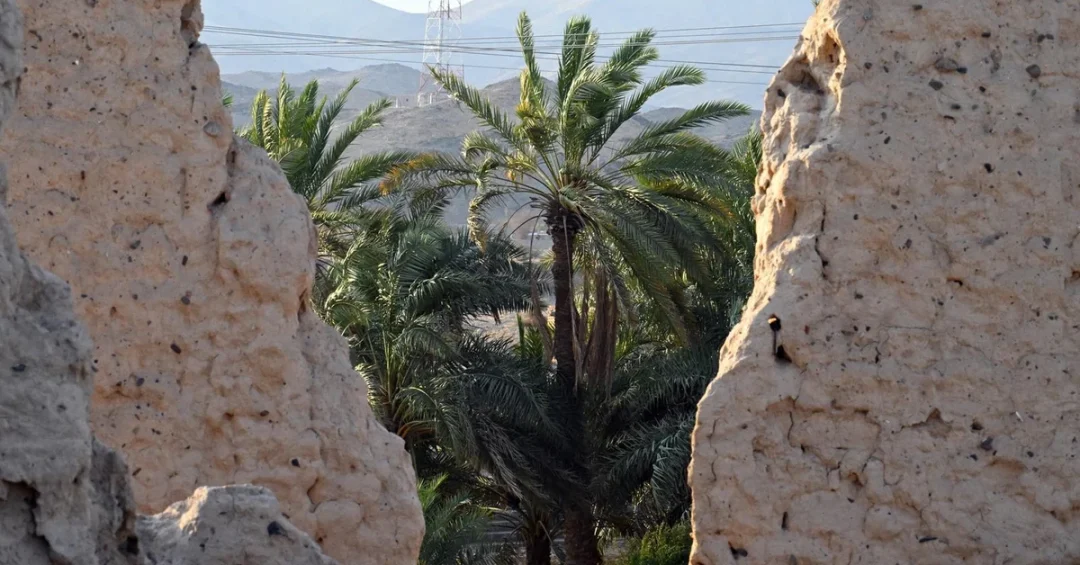
In Yanbu Palm Tree Province, farmers are concluding the date harvesting season, marking the end of the agricultural cycle and the preservation of a centuries-old tradition. As summer draws to a close, farmers in Yanbu Palm Tree Province, located in the Medina region, are harvesting the remaining dates from their trees, according to a report by the Saudi Press Agency (SPA). The harvest season in this province begins earlier than in other parts of the Kingdom, and farmers are now entering the phase of processing and marketing the dates.
Context and Background
Dates have long been a staple of Saudi agriculture and a vital economic resource for local communities. The date palm holds deep cultural significance in Saudi Arabia, symbolizing hospitality and tradition. In Yanbu Palm Tree Province, the harvest season is a culmination of a year’s meticulous care, often involving traditional methods passed down through generations. The SPA report quotes farmer Abdulrahman Abu Duaij, who highlights that the season not only represents an economic activity but also a social event that reinforces community bonds.
Key Details
According to Abdulrahman Abu Duaij, the harvest is sorted for different purposes: household consumption, hospitality, and commercial trade. While traditional tools and methods were once used, modern techniques have been adopted, yet the spirit of cooperation and the importance of the season remain unchanged. Some date varieties ripen later and are harvested at the end of the season, after which they are processed and sold in domestic and international markets. The farmer emphasized that the harvest is not merely a yield but a legacy of agricultural, social, and economic traditions.
Implications and Impact
Yanbu’s date harvest contributes to Saudi Arabia’s agricultural sector, which is a key component of the national economy. The Kingdom is one of the world’s leading date producers, and exports of dates support the country’s non-oil economy. The harvest season also promotes tourism and cultural heritage, as visitors are drawn to traditional farming practices. The timing of the harvest, typically from August to October, aligns with the Kingdom’s commitment to food security and sustainable agriculture, as outlined in Vision 2030.
Vision 2030 Alignment
This season directly supports Vision 2030’s goals of diversifying the economy and strengthening the agricultural sector. By investing in modern farming techniques and marketing, Saudi Arabia aims to increase local production and reduce reliance on imports. The preservation of traditional practices also sustains the cultural fabric of the nation, aligning with initiatives to enhance quality of life. As the date harvest concludes, it symbolizes the Kingdom’s enduring balance between heritage and progress, projecting a bright future for its agricultural communities.
20 Questions
Q1. Where is Yanbu Palm Tree Province located?
A1. Yanbu Palm Tree Province is located in the Medina region of Saudi Arabia, along the Red Sea coast. It is known for its date palm cultivation and agricultural heritage.
Q2. When does the date harvesting season in Yanbu begin?
A2. The date harvesting season in Yanbu typically begins earlier than in other Saudi provinces, usually in August and continues into October. This timing varies according to date varieties and climatic conditions.
Q3. What does the end of the date harvest signify for farmers?
A3. The end of the date harvest marks the conclusion of a year-long process of cultivation, care, and protection of the trees. It also signals the beginning of the processing and marketing phase for the dates.
Q4. Who is Abdulrahman Abu Duaij?
A4. Abdulrahman Abu Duaij is a farmer from Yanbu Palm Tree Province who was interviewed by the Saudi Press Agency about the date harvest season. He shared insights on the traditional and economic importance of the harvest.
Q5. How are harvested dates typically categorized?
A5. Harvested dates are categorized into three main uses: for household consumption, for serving guests (hospitality), and for commercial trade. This categorization ensures that dates meet different needs within the community.
Q6. What role did dates play historically for local residents?
A6. Historically, dates were a major source of income and sustenance for local residents in Yanbu. They were also a central part of social traditions, with the harvest season bringing the community together.
Q7. How have harvesting tools evolved over time?
A7. Traditional harvesting tools, such as simple hand tools and baskets, have evolved into more modern equipment that improves efficiency and safety. However, some farmers still use traditional methods to preserve cultural practices.
Q8. What happens to dates after the last harvest?
A8. After the last harvest, the dates undergo processing, which includes cleaning, sorting, and sometimes packaging. They are then sold in local or international markets, contributing to the economy.
Q9. Are some date varieties harvested later than others?
A9. Yes, some date varieties mature later and are therefore harvested at the end of the season. These late-maturing varieties are often preferred for their taste and shelf life.
Q10. Why is the date harvest considered a social activity?
A10. In the past, the harvest was a communal event where villagers worked together using traditional tools. This cooperation fostered social bonds and was a way to show mutual support.
Q11. What is the economic significance of dates in Saudi Arabia?
A11. Dates are a significant agricultural product in Saudi Arabia, contributing to domestic consumption and exports. The Kingdom is one of the world’s largest date producers, and the industry supports many local farmers.
Q12. How does the date harvest support Vision 2030?
A12. The date harvest aligns with Vision 2030’s goals of economic diversification and agricultural self-sufficiency. By boosting local production and exports, it reduces reliance on oil and strengthens the non-oil economy.
Q13. What are some modern techniques used in date farming?
A13. Modern techniques in date farming include advanced irrigation systems, mechanized harvesting equipment, and better pest control methods. These improve yield and quality while maintaining sustainability.
Q14. How can tourists experience the date harvest?
A14. Tourists can visit date farms during the harvest season to observe traditional and modern harvesting practices. Such visits are part of agro-tourism, which promotes cultural heritage and rural development.
Q15. What is the role of the Saudi Press Agency?
A15. The Saudi Press Agency is the state-run news agency that provides official news and reports. It covers events like the date harvest to highlight agricultural activities and the Kingdom’s commitment to vision goals.
Q16. Does the date harvest have any religious significance?
A16. Dates hold religious significance in Islam, as they are traditionally consumed to break the fast during Ramadan and are mentioned in the Quran. This adds a spiritual dimension to the harvest.
Q17. What challenges do date farmers face?
A17. Date farmers face challenges such as water scarcity, climate change, and market competition. However, government support and modern technologies are helping to mitigate these issues.
Q18. How does the date harvest contribute to food security?
A18. Dates are a nutritious food source rich in fiber and minerals. By increasing local production, Saudi Arabia enhances its food security and reduces dependence on imported food products.
Q19. What is the future outlook for date farming in Yanbu?
A19. The future outlook is positive, with investments in sustainable farming and export expansion. Vision 2030 aims to position Saudi Arabia as a global hub for date production, benefiting regions like Yanbu.
Q20. Why is the date harvest described as a legacy of traditions?
A20. The date harvest has been passed down through generations, symbolizing continuity and cultural identity. Farmers like Abdulrahman Abu Duaij emphasize the importance of preserving these traditions while adapting to modernity.
Reader Feedback
We value your thoughts. Please share your feedback on this article.
Your feedback helps us improve our coverage.