


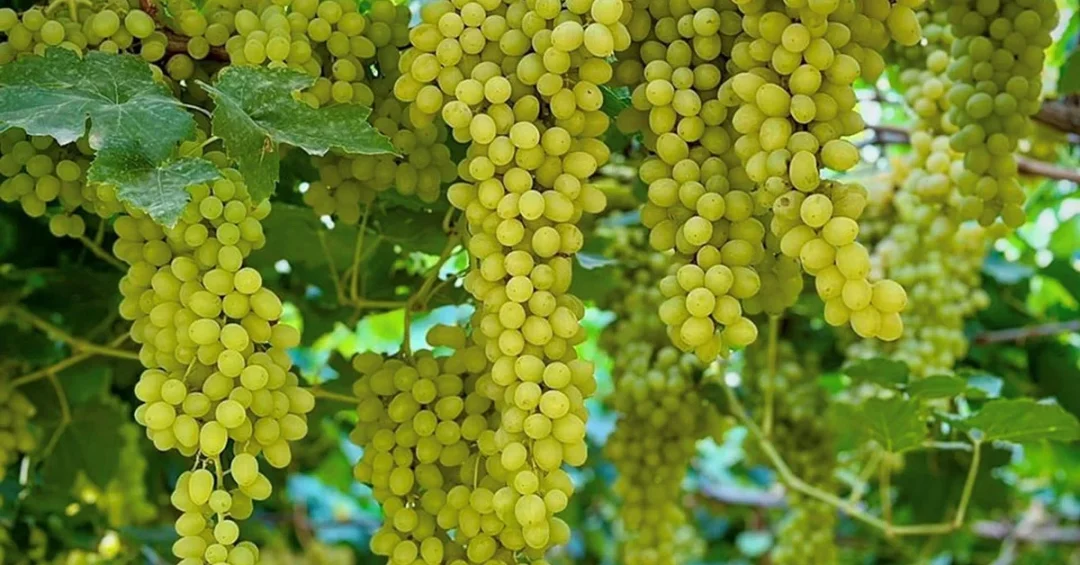
The Kingdom of Saudi Arabia is rapidly advancing its agricultural sector, achieving significant progress toward self-sufficiency in fruit production as part of a broader strategy to enhance food security and economic sustainability. Through a series of integrated initiatives and projects, the Kingdom is boosting domestic agricultural output, improving resource efficiency, and applying advanced farming technologies, in line with the goals of Saudi Vision 2030 to build a sustainable economy and develop a modern agricultural industry capable of meeting future challenges.
Context and Background
In recent years, the Saudi agricultural sector has undergone a remarkable transformation, driven by national support for farmers. The adoption of modern technologies, including protected agriculture, smart farming, and efficient irrigation systems, has expanded significantly. These efforts are complemented by agricultural research, technological development, and extension services, which have led to increased yields and improved quality of various fruit crops. As a result, locally grown Saudi fruits are now competitive with similar products in domestic and international markets.
The Ministry of Environment, Water and Agriculture plays a pivotal role in this transformation, implementing projects to raise agricultural productivity, rationalize water use, encourage investment in the sector, and expand the cultivation of economically viable crops. The Ministry’s approach balances agricultural development with the conservation of natural resources, ensuring long-term sustainability.
Key Details: Regional Fruit Production
Saudi Arabia’s diverse climate allows for a wide variety of fruit cultivation across its provinces, creating distinct regional specializations. Al-Qassim Province is renowned for its grapes, pomegranates, figs, and certain citrus fruits. Al-Jouf is one of the largest olive-producing regions in the Kingdom, also cultivating grapes and pomegranates. Tabuk focuses on peaches, apricots, plums, and grapes. Taif is famous for its pomegranates, figs, grapes, and peaches. Asir produces figs, pomegranates, peaches, and apricots. Jazan is a major producer of mangoes, papayas, and bananas, while Najran is known for grapes, pomegranates, and dates. Bahah and other areas also contribute to citrus production.
This regional distribution underscores the Kingdom’s unique ecological diversity and agricultural potential, ensuring a year-round supply of fresh fruits for consumers. Enhanced storage and marketing technologies have further stabilized domestic supply, reducing reliance on imports during many seasons and contributing to a more sustainable market operation.
Implications and Impact
The push for fruit self-sufficiency has significant economic implications. The agricultural sector has created numerous investment opportunities, stimulating growth in related industries such as food processing, supply chain management, transportation, packaging, and marketing. This has generated direct and indirect employment, enhancing the sector’s contribution to the national GDP.
Environmental sustainability is a key focus, with modern agricultural projects increasingly utilizing water-saving technologies and smart farming systems. Greenhouses and precision agriculture allow for higher yields with fewer resources while strengthening resilience to climate change. The expansion of fruit cultivation also boosts agri-tourism, with seasonal festivals for grapes, pomegranates, mangoes, and figs attracting visitors from within the Kingdom and abroad. These events support farmers and family production projects while showcasing the unique agricultural heritage of each province.
On a social level, the development of modern farms has improved the quality of life in rural areas, enhancing the economic stability of farming families and fostering consumer confidence in domestic products. It also raises public awareness of the importance of food security as a foundation for sustainable development.
Vision 2030 Alignment
Official data shows that Saudi Arabia’s agricultural sector continues to grow, with an increasing contribution to the national economy. This growth is driven by government initiatives and rising investment in agricultural technology, reflecting the effectiveness of policies aimed at ensuring food security, diversifying income sources, and boosting domestic productivity. As Saudi Vision 2030 progresses, the journey toward fruit self-sufficiency serves as a national model of innovation and sustainability, demonstrating the Kingdom’s ability to turn environmental challenges into opportunities through investment in land, technology, and knowledge. Every farm in Saudi Arabia stands as a testament to this progress, cultivating not only fruitful harvests but also a more prosperous economic present and a brighter future.
20 Questions
Q1. What is the primary goal of Saudi Arabia’s fruit self-sufficiency initiative?
A1. The primary goal is to enhance national food security by increasing domestic fruit production, reducing reliance on imports, and building a sustainable agricultural sector aligned with Saudi Vision 2030.
Q2. Which Saudi ministry is responsible for the agricultural development?
A2. The Ministry of Environment, Water and Agriculture is responsible for implementing projects to improve agricultural productivity, rationalize water use, and encourage investment in the sector.
Q3. What technologies are being adopted in Saudi farming?
A3. Saudi farms are adopting protected agriculture, smart farming systems, efficient irrigation, and greenhouses to increase yields and conserve resources.
Q4. How does regional diversity contribute to fruit production?
A4. Different provinces have unique climates, allowing for cultivation of various fruits like grapes, pomegranates, mangoes, and olives, ensuring year-round supply and regional specialization.
Q5. What fruits is Al-Qassim Province known for?
A5. Al-Qassim Province is known for grapes, pomegranates, figs, and certain citrus fruits, contributing to the country’s diverse fruit basket.
Q6. How does fruit self-sufficiency impact the economy?
A6. It creates investment opportunities, stimulates related industries, generates employment, and increases the agricultural sector’s contribution to GDP.
Q7. What environmental benefits come from advanced farming?
A7. Advanced farming reduces water usage, enhances irrigation efficiency, and improves climate resilience, supporting sustainable agriculture.
Q8. How does agri-tourism benefit from fruit cultivation?
A8. Seasonal fruit festivals attract tourists, support local farmers, and showcase regional agricultural culture, boosting rural economies.
Q9. What social impacts does agricultural development have?
A9. It improves rural living standards, stabilizes farming family incomes, and increases public awareness of food security.
Q10. How does this initiative align with Vision 2030?
A10. It supports Vision 2030’s goals of a sustainable economy, food security, income diversification, and technological innovation.
Q11. What role do modern storage technologies play?
A11. Modern storage extends shelf life, stabilizes supply, and reduces post-harvest losses, enhancing market stability.
Q12. Which provinces specialize in mango and papaya production?
A12. Jazan Province is a major producer of mangoes, papayas, and bananas, leveraging its tropical climate.
Q13. What is the significance of Al-Jouf’s olive production?
A13. Al-Jouf is one of the largest olive-producing regions, contributing to self-sufficiency in olive oil and related products.
Q14. How does the initiative reduce import dependency?
A14. By increasing domestic production and supply stability, Saudi Arabia reduces the need for seasonal fruit imports.
Q15. What are the benefits of greenhouse farming?
A15. Greenhouses allow controlled cultivation, higher yields, and protection from adverse weather, enabling year-round production.
Q16. How does the government support farmers?
A16. The government provides subsidies, technical support, and agricultural extension services to enhance farmer productivity and income.
Q17. What is the impact on rural communities?
A17. Agricultural development improves economic opportunities, infrastructure, and quality of life in rural areas, reducing urban migration.
Q18. How does fruit production support value chains?
A18. It creates demand for processing, packaging, and logistics, fostering integrated value chains that add value to raw produce.
Q19. What future developments are expected?
A19. Continued investment in technology and expansion of cultivation areas will further boost productivity and sustainability.
Q20. How does this progress reflect Saudi Arabia’s broader ambitions?
A20. It demonstrates the Kingdom’s commitment to innovation, sustainability, and economic diversification, positioning it as a leader in food security in the region.
Reader Feedback
We value your thoughts. Please share your feedback on this article.
Your feedback helps us improve our coverage.