


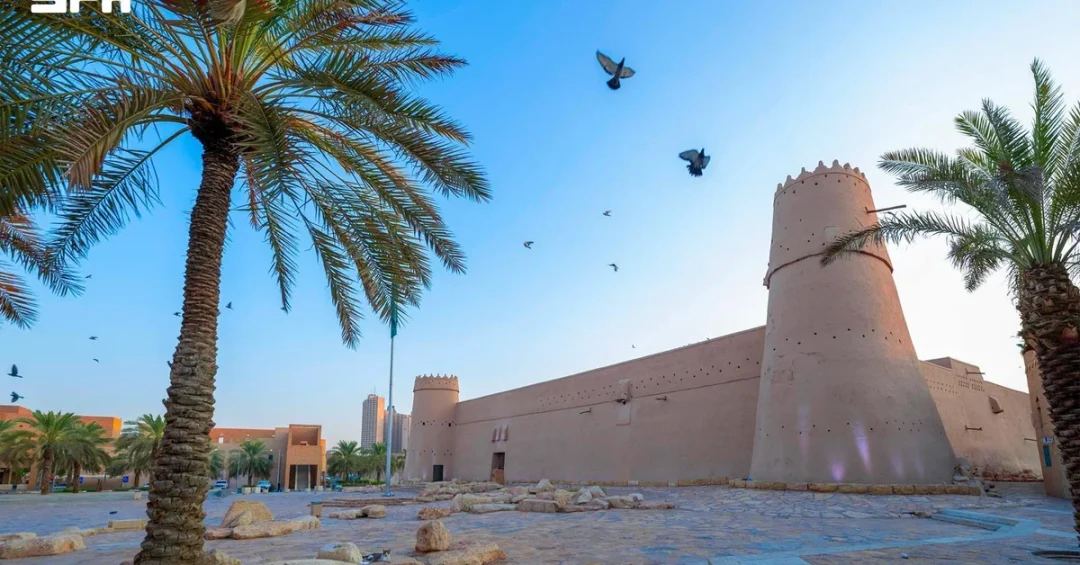
Masmak Fortress, a historic landmark in the heart of Riyadh’s Deira district, stands as a living testament to Saudi Arabia’s unification and welcomes visitors from around the world. The fortress, which now houses a museum blending authentic Najdi architecture with modern exhibits, offers a comprehensive cultural experience and has become one of the capital’s most significant heritage tourism destinations. According to the Saudi Press Agency (SPA), the site is open to visitors daily, providing a journey through the kingdom’s early history.
Context and Background
The Masmak Fortress holds a special place in Saudi history. In 1902, King Abdulaziz Al Saud led the recapture of Riyadh from the fortress, an event that served as the catalyst for the unification of the Kingdom of Saudi Arabia. This historic act transformed the fortress into a national symbol, marking the beginning of the modern Saudi state. Today, the fortress’s museum showcases this pivotal era through artifacts, documents, and interactive displays, allowing visitors to understand the nation’s formative years.
Key Details
Constructed in 1865, the Masmak Fortress is a prime example of traditional Najdi architecture. Built with mud bricks and straw-reinforced earth on stone foundations, the fortress features four defensive towers, a courtyard, a mosque, a well, and a majlis (guest reception area). The iconic “Al-Murabba” tower and the “Al-Khokha” gate are among its notable features. The museum includes multimedia presentations that blend historical records with modern display technology, enriching visitors’ understanding of the kingdom’s establishment.
Implications and Impact
The fortress’s location in the historic Deira district, adjacent to the Al-Hukm Palace metro station and bus stops, as well as traditional souks like the famous Zall Market, makes it a central point for cultural tourism in Riyadh. This integration of heritage and modern urban life allows both Saudis and international visitors to experience a holistic journey through history, tradition, and culture. The Saudi government, through initiatives aligned with Vision 2030, has been promoting such heritage sites to diversify the economy and enhance the tourism sector.
Vision 2030 Alignment
Masmak Fortress exemplifies Saudi Arabia’s commitment to preserving its cultural heritage while fostering economic growth through tourism. As Vision 2030 aims to increase the contribution of tourism to GDP and attract international visitors, the fortress stands as a cornerstone of cultural tourism in the capital. By investing in such heritage sites and making them accessible, the Kingdom is not only preserving its history but also creating a vibrant environment that supports the Vision’s goals of a thriving society and a diversified economy.
20 Questions
Q1. What is Masmak Fortress?
A1. Masmak Fortress is a historic clay and mudbrick fort located in the Deira district of Riyadh, Saudi Arabia. It now serves as a museum and is a significant cultural and heritage tourism destination.
Q2. Where is Masmak Fortress located?
A2. The fortress is situated in the historic Deira district in the center of Riyadh, the capital of Saudi Arabia. It is close to the Al-Hukm Palace and the Zall Market.
Q3. When was Masmak Fortress built?
A3. Masmak Fortress was constructed in 1865 (AH 1282). It was built using traditional Najdi construction methods with mud bricks and straw-reinforced earth.
Q4. What is the historical significance of Masmak Fortress?
A4. The fortress is pivotal in Saudi history as it was the site where King Abdulaziz recaptured Riyadh in 1902, an event that led to the unification of Saudi Arabia.
Q5. Who recaptured Riyadh from Masmak Fortress?
A5. King Abdulaziz bin Abdulrahman Al Saud recaptured Riyadh from Masmak Fortress. This historic event occurred on January 15, 1902, and marked a turning point in Saudi history.
Q6. What can visitors see inside Masmak Fortress today?
A6. Visitors can explore the museum within the fortress, which houses historical artifacts, documents, photographs, and interactive displays depicting key stages of Saudi history.
Q7. Are there interactive exhibits at Masmak Fortress?
A7. Yes, the fortress museum includes multimedia and interactive exhibits that blend modern display technology with historical records, enhancing the visitor experience.
Q8. What architectural features does Masmak Fortress have?
A8. The fortress features traditional Najdi architecture, with four defensive towers, a courtyard, a mosque, a well, and a majlis. It also has notable elements like the Al-Murabba tower and Al-Khokha gate.
Q9. Is Masmak Fortress open to visitors every day?
A9. Yes, according to the Saudi Press Agency, Masmak Fortress is open to visitors seven days a week, allowing ample opportunity for both domestic and international tourists.
Q10. How can visitors get to Masmak Fortress?
A10. The fortress is accessible via the Al-Hukm Palace metro station and bus stops. It is also near traditional markets, making it easy to reach by public transport or on foot.
Q11. What nearby attractions complement a visit to Masmak Fortress?
A11. Visitors can explore the historic Deira district, including traditional markets like Zall Market and the Al-Hukm Palace, creating a comprehensive cultural experience in Riyadh.
Q12. Why is Masmak Fortress important for tourism in Saudi Arabia?
A12. Masmak Fortress is a key cultural tourism site as it offers insight into Saudi history and heritage, aligning with Vision 2030’s goal to boost tourism and diversify the economy.
Q13. Does Masmak Fortress contain any historical artifacts?
A13. Yes, the museum houses a collection of historical artifacts, documents, and photographs that illustrate the history of Saudi Arabia, particularly the unification period.
Q14. What role does Masmak Fortress play in Saudi heritage preservation?
A14. Masmak Fortress is a preserved heritage site that showcases the Kingdom’s rich history, helping to educate the public and preserve traditional architecture.
Q15. Is Masmak Fortress a popular tourist destination?
A15. Yes, Masmak Fortress is one of Riyadh’s most important cultural heritage destinations, attracting both Saudi and international visitors interested in history and culture.
Q16. What is the architectural style of Masmak Fortress?
A16. The fortress is built in the traditional Najdi architectural style, using local materials like mud bricks, straw, and stone, reflecting the region’s building techniques.
Q17. Are there any guided tours available at Masmak Fortress?
A17. While the article does not specify guided tours, the museum’s interactive displays and informative exhibits allow visitors to learn at their own pace.
Q18. How does Masmak Fortress contribute to Saudi Arabia’s Vision 2030?
A18. By attracting tourists and preserving heritage, Masmak Fortress supports Vision 2030’s objectives of diversifying the economy, promoting culture, and enhancing the tourism sector.
Q19. What is the name of the gate in Masmak Fortress?
A19. The fortress features a gate called “Al-Khokha” (or “Al-Khokha gate”), which is one of its notable architectural elements.
Q20. What materials were used to build Masmak Fortress?
A20. Masmak Fortress was built using mud bricks and straw-reinforced earth, with a stone foundation. This traditional construction method is characteristic of Najdi architecture.
Reader Feedback
We value your thoughts. Please share your feedback on this article.
Your feedback helps us improve our coverage.