


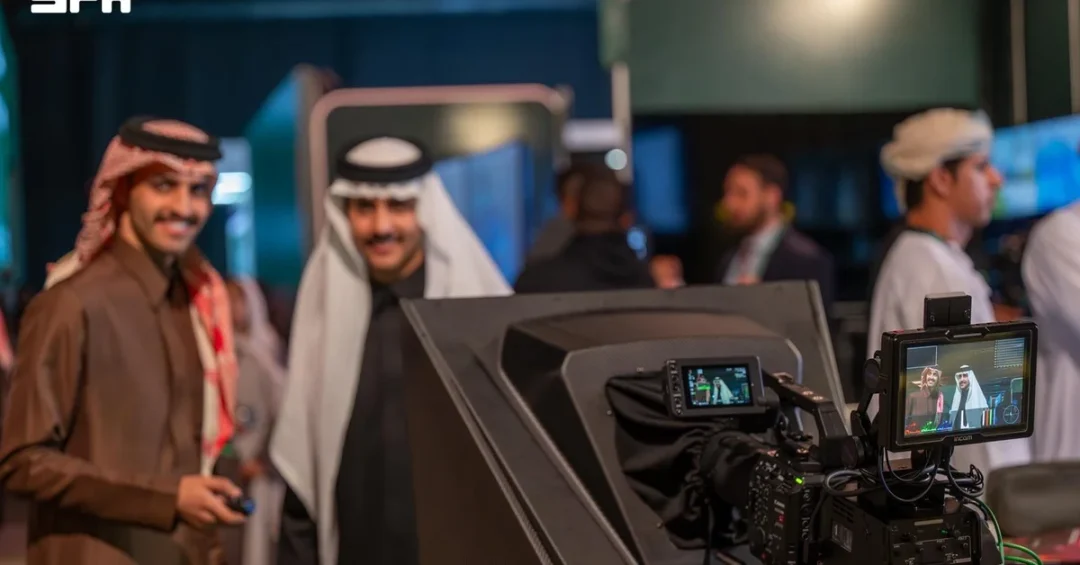
Riyadh, August 18, 2026 (SPA) – The Kingdom of Saudi Arabia’s media sector contributed SAR 16 billion to the national GDP in 2024, up from SAR 14.5 billion in 2023, as the nation solidifies its position as a regional leader in the digital influence industry. This growth, announced via the Saudi Press Agency, underscores the shift from a subscriber-based economy to a trust-based one, aligning with the goals of Vision 2030.
Context and Background
Digital influence has evolved from simple online communication to a fully integrated industry encompassing economic, media, and cultural dimensions. In Saudi Arabia, this transformation is driven by regulatory modernization, infrastructure development, and investment in national talent. The Kingdom aims to increase the media sector’s GDP contribution to 0.8% by 2030, with projections indicating a compound annual growth rate of 8.2% from 2024 to 2029, outperforming the global average of 3.7%.
Key Details
The media sector’s employment rose to over 60,000 jobs by end-2024, a 22% increase year-on-year, with a target of 160,000 jobs by 2030. Advertising spending is expected to shift dramatically, with digital ads capturing nearly 90% of total ad spend by 2029. Meanwhile, 60% of Saudi adults listen to podcasts weekly, reflecting changing consumption patterns. Saudi Arabia holds about 30% of the media market in the Middle East and North Africa (MOAN) region, positioning digital influence as a key pillar of the creative economy.
Implications and Impact
The rise of the trust-based economy places responsibility on content creators to adhere to ethical values, protect intellectual property, and ensure transparency. The Saudi Data and AI Authority (SDAIA) supports AI integration in media through ethical governance, including the launch of the AI Principles Charter with the Ministry of Media, and by enhancing national skills and technical infrastructure. This professional framework ensures that influence is measured not by follower counts but by trust, knowledge enrichment, and durable societal impact.
Vision 2030 Alignment
Saudi Arabia’s media transformation exemplifies how digital influence becomes a vehicle for value creation, awareness, and human capital investment. By fostering a mature and competitive media ecosystem, the Kingdom demonstrates that the future of influence lies not merely in algorithms but in vision, governance, and innovation. This model aims to place Saudi Arabia at the forefront of the global digital economy, aligning with Vision 2030’s ambition to diversify the economy and build a sustainable future.
20 Questions
Q1. What is the economic contribution of Saudi Arabia’s media sector to GDP in 2024?
A1. The media sector contributed SAR 16 billion to Saudi Arabia’s GDP in 2024, up from SAR 14.5 billion in 2023, reflecting the sector’s rapid growth and importance to the national economy.
Q2. What is the target for the media sector’s GDP contribution by 2030?
A2. Saudi Arabia aims to increase the media sector’s GDP contribution to 0.8% by 2030, aligning with Vision 2030’s diversification goals and the cultivation of new economic sectors.
Q3. How many jobs did the media sector create by the end of 2024?
A3. By the end of 2024, the media sector provided over 60,000 jobs, marking a 22% increase from the previous year and supporting the Kingdom’s drive toward a knowledge-based economy.
Q4. What is the target for media sector employment by 2030?
A4. The target for media sector employment is to reach 160,000 jobs by 2030, demonstrating the sector’s potential for sustainable job creation and skill development.
Q5. What is the projected compound annual growth rate for Saudi Arabia’s media market from 2024 to 2029?
A5. The Saudi media market is projected to grow at a compound annual growth rate of 8.2% from 2024 to 2029, surpassing the global average of 3.7% and highlighting the Kingdom’s dynamic media landscape.
Q6. What is the estimated market size of Saudi Arabia’s media sector by 2030?
A6. The media market size is estimated to reach approximately SAR 41 billion by 2030, reflecting robust growth and investment opportunities in the sector.
Q7. What share of advertising spending will digital ads capture by 2029?
A7. Digital advertising is expected to capture nearly 90% of total advertising spending by 2029, showcasing the shift towards digital platforms and the growing importance of online engagement.
Q8. What percentage of Saudi adults listen to podcasts weekly?
A8. About 60% of Saudi adults listen to podcasts every week, indicating a growing appetite for audio content and the expansion of the creator economy in the Kingdom.
Q9. What share of the media market in the Middle East and North Africa does Saudi Arabia hold?
A9. Saudi Arabia holds approximately 30% of the media market in the Middle East and North Africa (MOAN) region, confirming its status as a regional media powerhouse.
Q10. How does Saudi Arabia ensure transparency in influencer partnerships?
A10. The Kingdom’s regulatory framework mandates the disclosure of partnerships and compliance with legislation, ensuring that influencer content is transparent and aligned with ethical values.
Q11. What role does the Saudi Data and AI Authority (SDAIA) play in media AI integration?
A11. SDAIA supports AI integration in media through ethical governance, national skill enhancement, and infrastructure development, including the AI Principles Charter with the Ministry of Media.
Q12. What is the AI Principles Charter?
A12. The AI Principles Charter is a joint initiative between SDAIA and the Ministry of Media to govern the ethical use of AI in media, emphasizing accountability and human-centric approaches.
Q13. How does Saudi Arabia’s media sector contribute to job creation?
A13. The media sector contributed to job creation by exceeding 60,000 jobs in 2024, a 22% increase from the previous year, supporting national employment and talent development goals.
Q14. What is the significance of the shift from subscriber economy to trust economy?
A14. The shift signifies a move from mere follower counts to trusted influence, where quality, reliability, and value-added content are prioritized, aligning with Saudi Arabia’s emphasis on transparency and credibility.
Q15. How does Saudi Arabia support the Arabic language in modern technologies?
A15. Saudi Arabia, through SDAIA, pays special attention to enhancing the presence of the Arabic language in modern technologies, ensuring its integration in AI and digital media platforms.
Q16. What are the new responsibilities for influencers under Saudi regulations?
A16. Influencers are now responsible for upholding ethical values, protecting intellectual property, ensuring advertising transparency, and combating misinformation, as part of the regulatory framework.
Q17. What is the role of media in Saudi Arabia’s Vision 2030?
A17. Media plays a crucial role in Vision 2030 by driving economic diversification, fostering innovation, and supporting the growth of the digital economy as a key pillar of national development.
Q18. How does Saudi Arabia’s media sector growth compare to global averages?
A18. Saudi Arabia’s media sector growth rate of 8.2% is significantly higher than the global average of 3.7%, demonstrating the Kingdom’s rapid advancement in the media landscape.
Q19. What is the expected market size of Saudi Arabia’s media sector by 2030?
A19. The media market size is expected to reach approximately SAR 41 billion by 2030, a substantial increase that reflects the sector’s expansion and growing importance.
Q20. How does the Saudi experience reshape the global influence industry?
A20. The Saudi experience illustrates that the future of influence lies not solely in algorithms but in vision, governance, and human capital, setting a global benchmark for a trust-based digital economy.
Reader Feedback
We value your thoughts. Please share your feedback on this article.
Your feedback helps us improve our coverage.