


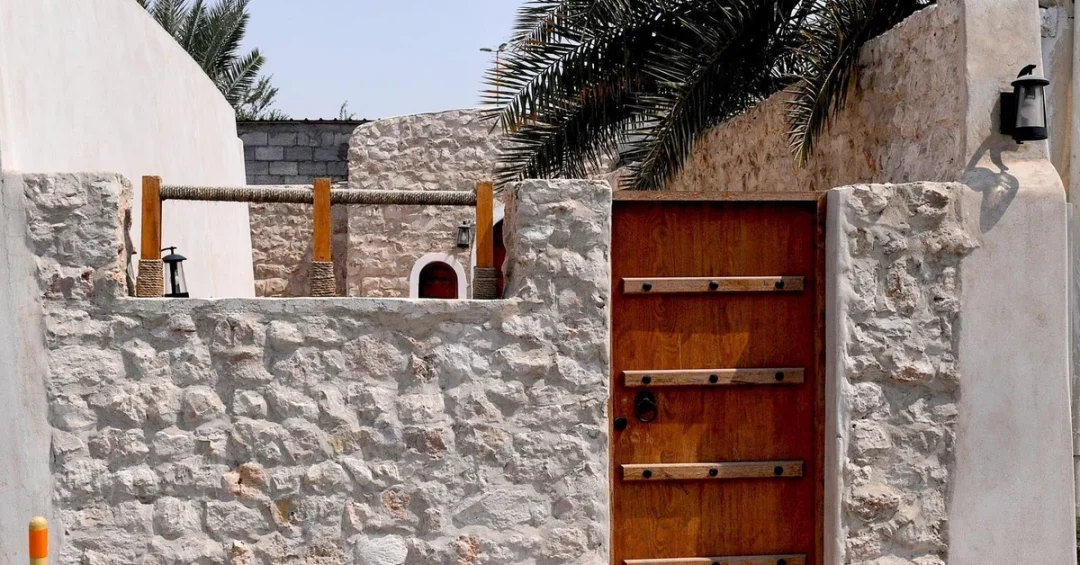
The Heritage Commission of Saudi Arabia has completed the restoration of the historic Abu Lozah Building, a landmark situated atop the ancient springs of Sayhat in Qatif, Eastern Province. The project, which began in 2025, was executed in several phases including documentation, consolidation, restoration, and rehabilitation, according to official sources. The building, constructed in 1872 (1289 AH), is recognized as one of the most prominent heritage sites in the region, reflecting traditional architecture and local craftsmanship.
Context and Background
The Abu Lozah Building is located in the al-Khabaqah neighborhood, northeast of the village of al-Toubi, and was built atop one of the oldest springs of Sayhat, which has historic significance dating back thousands of years. Local heritage researcher Abdul Rab al-Rasoul al-Ghuraifi noted that the location was deliberately chosen due to the spring’s sulfurous water properties, which have been confirmed by recent studies. The building is constructed using traditional materials such as sea stone, gypsum, and palm trunks, and features separate sections for men and women, with rest rooms, water basins, and bathing areas that are fed directly by the spring. Until 1980, divers would enter the spring annually after the pearl diving season to clean its floor, highlighting the site’s cultural and economic importance to the community.
Key Details
The restoration project by the Heritage Commission is part of broader efforts to preserve Saudi Arabia’s rich cultural heritage. The building, which features three stone roofs made of pebbles, sea stones, and palm trunks, has been meticulously documented and reinforced to ensure its structural integrity. The restoration also included the rehabilitation of the surrounding area to enhance visitor experience. According to al-Ghuraifi, the building is several hundred years old, and archaeological reports confirm its historical value. The initiative aligns with the Kingdom’s commitment to safeguarding its heritage and promoting cultural tourism, as outlined in Vision 2030.
Implications and Impact
The restoration of the Abu Lozah Building is expected to boost heritage tourism in the Eastern Province, attracting visitors interested in traditional architecture and the region’s historical ties to pearl diving and natural springs. The site’s unique features, including its sulfurous water and historical significance, offer educational and cultural opportunities. The project also underscores Saudi Arabia’s dedication to preserving its cultural landmarks for future generations, enhancing the Kingdom’s reputation as a guardian of heritage. The transformation of the building into a cultural destination is anticipated, with plans already underway to develop it as a key attraction in the region.
20 Questions
Q1. What is the Abu Lozah Building?
A1. The Abu Lozah Building is a historic structure in Qatif, Saudi Arabia, built in 1872 atop the springs of Sayhat. It is a notable heritage site, recognized for its traditional architecture and cultural significance.
Q2. Where is the Abu Lozah Building located?
A2. It is located in the al-Khabaqah neighborhood, northeast of the village of al-Toubi, in the city of Qatif in the Eastern Province of Saudi Arabia.
Q3. When was the Abu Lozah Building constructed?
A3. The building was constructed in the year 1289 AH, which corresponds to 1872 AD.
Q4. What materials were used to build the Abu Lozah Building?
A4. Traditional materials such as sea stone, gypsum, and palm trunks were used. The roofs are made of pebbles, sea stones, and palm trunks.
Q5. Why was the location chosen for the building?
A5. The location was chosen because the spring has sulfurous water properties, which have been confirmed by modern research. This made it a valuable site for its health benefits and cultural importance.
Q6. What is the historical significance of the spring?
A6. The spring is thousands of years old and was used by pearl divers until 1980, who cleaned its floor annually after the pearl diving season, indicating its economic and cultural role.
Q7. What are the building’s architectural features?
A7. The building has separate sections for men and women, rest rooms, water basins, and bathing areas. It also features three stone roofs made of pebbles, sea stones, and palm trunks.
Q8. Who built the Abu Lozah Building?
A8. The building was constructed by local architects using traditional building techniques and materials, reflecting the region’s architectural heritage.
Q9. What was the condition of the building before restoration?
A9. The building suffered from deterioration over time, requiring comprehensive restoration. The Heritage Commission documented its condition and carried out structural consolidation before rehabilitation.
Q10. What restoration project was carried out?
A10. The Heritage Commission implemented a restoration project in 2025, which included documentation, consolidation, restoration, and rehabilitation of the building to preserve its historical integrity.
Q11. Why is the restoration important?
A11. Restoration is crucial to preserve the building’s cultural and architectural value, prevent further decay, and promote heritage tourism, aligning with Saudi Arabia’s Vision 2030 goals.
Q12. What are the future plans for the building?
A12. Plans are underway to transform the Abu Lozah Building into a cultural destination in the Eastern Province, enhancing its role as a heritage site and tourist attraction.
Q13. How does the building relate to Vision 2030?
A13. The restoration supports Vision 2030 by promoting cultural tourism, preserving national heritage, and contributing to the Kingdom’s goal of enhancing quality of life and economic diversification.
Q14. Who is Abdul Rab al-Rasoul al-Ghuraifi?
A14. He is a local heritage researcher who provided insights into the building’s history and significance, confirming its location and historical context.
Q15. What is the role of the Heritage Commission?
A15. The Heritage Commission is responsible for preserving and restoring Saudi Arabia’s cultural heritage. It led the restoration project for the Abu Lozah Building.
Q16. How does the building contribute to tourism?
A16. The building’s unique architecture and historical significance make it an attractive site for tourists interested in heritage and culture, potentially boosting tourism in the region.
Q17. What are the health properties of the spring water?
A17. The spring water contains sulfur, which is believed to have therapeutic properties for certain skin and musculoskeletal conditions, making the site historically valued for its health benefits.
Q18. What challenges did the restoration face?
A18. Challenges included preserving the original structure while using modern restoration techniques. The process required careful documentation and consolidation to maintain authenticity.
Q19. How does the building reflect Saudi heritage?
A19. The building exemplifies traditional Saudi architecture and construction techniques, using local materials and building methods passed down through generations.
Q20. What does the restoration symbolize for the region?
A20. It symbolizes the Kingdom’s dedication to preserving its cultural heritage, celebrating its history, and investing in sustainable tourism as part of Vision 2030.
Vision 2030 Alignment
The restoration of the Abu Lozah Building aligns with Saudi Arabia’s Vision 2030 by preserving the nation’s cultural heritage and promoting tourism as a key economic sector. This initiative reflects the Kingdom’s commitment to celebrating its history while fostering sustainable development and enhancing the quality of life for citizens and visitors alike. As Saudi Arabia opens its doors to the world, projects like this underscore the importance of cultural preservation in building a vibrant society and a diversified economy, positioning the Kingdom as a global destination for heritage and tourism.
Reader Feedback
We value your thoughts. Please share your feedback on this article.
Your feedback helps us improve our coverage.