


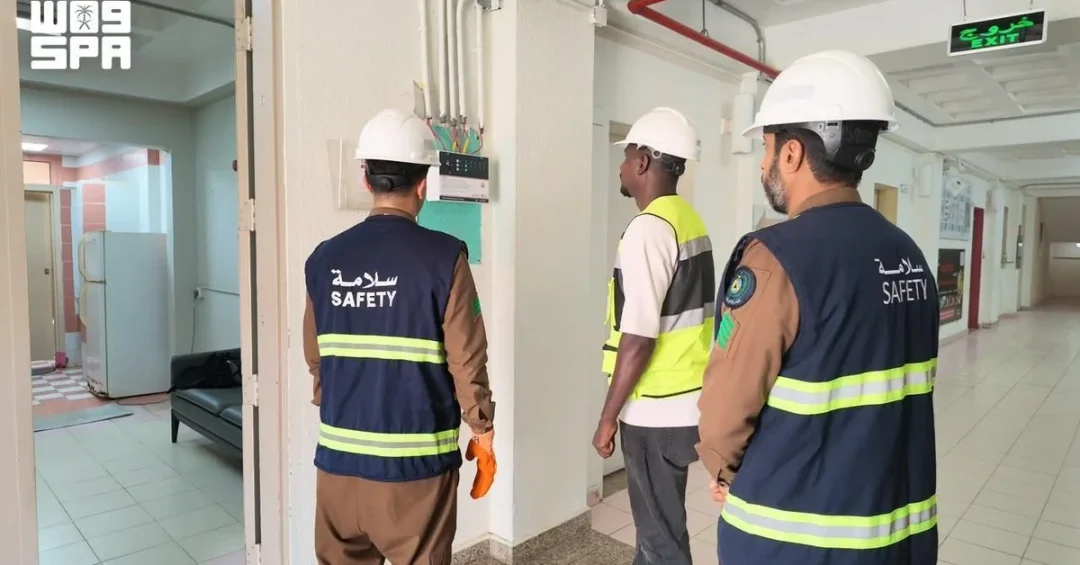
The General Directorate of Civil Defense has intensified preventive field inspections of educational facilities across the Kingdom, in coordination with relevant authorities, as the new academic year begins. Announced via the Saudi Press Agency on August 18, 2026, these inspections aim to verify the efficiency of safety and fire suppression systems, review self-evacuation plans, check designated assembly points, and ensure educational staff are properly trained in emergency procedures to maintain a safe learning environment.
Context and Background
The start of the academic year in Saudi Arabia is a significant event, with millions of students returning to classrooms. Ensuring their safety is a top priority for the government, reflecting its commitment to providing a secure and conducive learning environment. The Civil Defense inspections are part of a broader national effort to enhance public safety and emergency preparedness, aligning with the Kingdom’s Vision 2030 goals of improving quality of life and building resilient communities.
The inspections are conducted in coordination with the Ministry of Education and other relevant authorities, ensuring a comprehensive approach. This proactive measure underscores the importance placed on safeguarding students, teachers, and staff, while also promoting a culture of safety and preparedness within educational institutions.
Key Details
The inspections focus on several critical areas: verifying the functionality and readiness of fire suppression systems, reviewing self-evacuation plans to ensure they are up-to-date and effective, and confirming that designated assembly points are clearly marked and accessible. Additionally, the Civil Defense teams are ensuring that educational staff have received proper training in emergency procedures, enabling them to respond swiftly and effectively in case of an incident.
These measures are part of the General Directorate of Civil Defense’s ongoing efforts to prevent accidents and minimize risks in public facilities, particularly those involving children and young adults. By conducting these inspections ahead of the academic year, the authorities are taking preventative action to avoid potential hazards.
Implications and Impact
The intensified inspections have significant implications for the safety and well-being of students and staff across Saudi Arabia. They demonstrate the government’s commitment to maintaining high safety standards in educational settings, which is crucial for fostering a positive learning environment. Parents can feel reassured that their children are studying in facilities that meet rigorous safety requirements.
From a regional perspective, this initiative sets a benchmark for other countries in the Gulf and beyond, showcasing Saudi Arabia’s proactive approach to public safety. It also contributes to the Kingdom’s reputation as a responsible global leader in emergency management and preparedness.
Vision 2030 Alignment
This initiative aligns with Saudi Arabia’s Vision 2030, which emphasizes the importance of developing resilient and safe communities. By ensuring the safety of educational facilities, the Kingdom is investing in its human capital—a key pillar of the Vision. The inspections also reflect the government’s commitment to improving the quality of life for all citizens and residents, creating an environment where students can thrive academically and personally. As Saudi Arabia continues to modernize and grow, such measures will play a vital role in building a secure and prosperous future aligned with the Vision’s goals.
20 Questions
Q1. What is the purpose of the Civil Defense inspections of educational facilities?
A1. The inspections aim to verify safety and fire suppression systems, review evacuation plans, check assembly points, and ensure staff are trained in emergency procedures for a safe learning environment.
Q2. Who announced the intensified inspections?
A2. The Saudi Press Agency (SPA) announced the inspections on August 18, 2026, citing the General Directorate of Civil Defense.
Q3. Why are these inspections conducted ahead of the academic year?
A3. Conducting inspections before school starts ensures that any safety deficiencies are identified and corrected proactively, minimizing risks to students and staff.
Q4. Which authorities are coordinating with the Civil Defense?
A4. The inspections are coordinated with relevant authorities, including the Ministry of Education, to ensure a comprehensive safety review.
Q5. What specific safety systems are being checked?
A5. The inspection focuses on fire suppression systems, self-evacuation plans, designated assembly points, and staff emergency training.
Q6. How does this initiative support Vision 2030?
A6. It aligns with Vision 2030 goals of improving quality of life and building resilient communities by ensuring safe educational environments.
Q7. What is the role of educational staff in emergency preparedness?
A7. Staff must be properly trained in emergency procedures to guide students safely during drills or real incidents.
Q8. Are private schools also included in the inspections?
A8. While not explicitly stated, the inspections likely cover all educational facilities, both public and private, under the coordination of relevant authorities.
Q9. How often are these inspections conducted?
A9. The frequency is not specified, but this intensified effort is specifically tied to the start of the academic year.
Q10. What happens if a facility fails the inspection?
A10. The Civil Defense would likely require corrective actions, which may include fixing systems or providing additional training, to ensure compliance before reopening.
Q11. What is the significance of designated assembly points?
A11. Assembly points are safe areas where students and staff gather after evacuation, ensuring accountability and safety during emergencies.
Q12. Does this initiative involve any new technology?
A12. The article does not specify, but Civil Defense may use advanced tools to assess safety systems.
Q13. How does this affect parents’ confidence?
A13. Parents can feel reassured knowing that schools are being proactively checked for safety, enhancing trust in the education system.
Q14. What is the main goal of the self-evacuation plan review?
A14. The review ensures that evacuation procedures are current, effective, and practiced regularly, minimizing chaos during an emergency.
Q15. What training do educational staff receive?
A15. Staff are trained in emergency procedures, including how to guide students and use safety equipment, as part of comprehensive preparedness.
Q16. How does this initiative contribute to national safety standards?
A16. It reinforces uniform safety standards across educational facilities, promoting a culture of preparedness nationwide.
Q17. Are inspections conducted by local or central Civil Defense teams?
A17. The article mentions the General Directorate, suggesting central coordination, but local teams may execute the inspections.
Q18. What is the timeline for completing these inspections?
A18. The timeline is not specified, but they are conducted as the academic year begins, likely in the weeks leading up to opening day.
Q19. How does this align with international safety standards?
A19. Saudi Arabia’s approach reflects global best practices in school safety, aligning with standards set by organizations like UNESCO.
Q20. What future measures might be expected?
A20. Future measures could include regular drills, continuous training updates, and potential integration of smart safety technologies.
Reader Feedback
We value your thoughts. Please share your feedback on this article.
Your feedback helps us improve our coverage.