


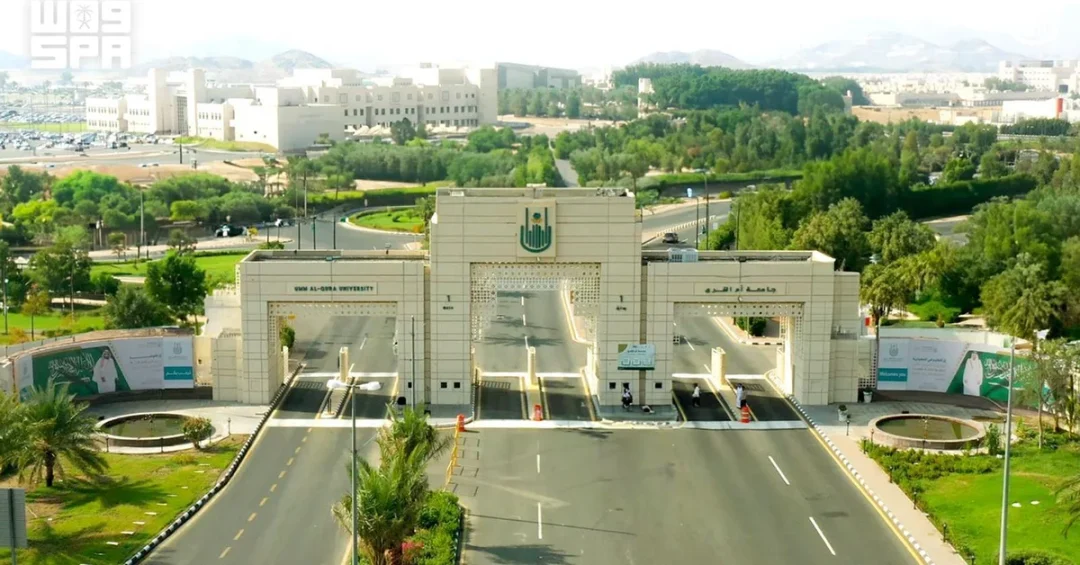
Advisory sessions commenced Tuesday as part of the second phase of Hajjathon 4, organized by the Custodian of the Two Holy Mosques Institute for Hajj and Umrah Research at Umm Al-Qura University. The event, held during the 26th Scientific Forum for Hajj, Umrah and Visit Research, underscores the Kingdom’s commitment to leveraging innovation and modern technology to enhance services for pilgrims.
Context and Background
Hajjathon, now in its fourth edition, is a competitive platform designed to foster creativity and problem-solving among participants focused on improving the Hajj and Umrah experience. Organized by Umm Al-Qura University, it aligns with Saudi Arabia’s Vision 2030 goals of enhancing service quality and leveraging knowledge-based solutions. The advisory sessions mark a critical step in guiding participants towards developing practical, innovative solutions to real-world challenges faced by pilgrims.
Key Details
The advisory sessions feature specialized tracks covering four main areas: Engineering and Infrastructure, Healthcare, Technology and AI, and Awareness and Crowd Management. These diverse tracks cater to a wide range of disciplines, allowing participants to tap into specialized expertise. The sessions provide technical and knowledge-based guidance, helping participants understand challenges within each track and formulate solutions using scientific and innovative methodologies. Emphasis is placed on promoting emerging technologies and AI to improve service quality, operational efficiency, and the overall pilgrim experience.
Implications and Impact
The second phase of Hajjathon 4 is expected to yield innovative solutions that can be implemented in real-world settings, ultimately improving the journey for millions of pilgrims. By focusing on areas like crowd management and healthcare, the initiative supports Saudi Arabia’s broader goals of ensuring safety and comfort for visitors. The involvement of Umm Al-Qura University highlights the academic sector’s role in national development, fostering a culture of research and innovation.
Vision 2030 Alignment
This initiative is a testament to Saudi Arabia’s dedication to realizing Vision 2030, particularly in enhancing the experience of pilgrims and visitors. By integrating modern technology and encouraging innovative thinking, Hajjathon 4 contributes to the Kingdom’s ambition to become a global leader in Islamic tourism and services. The advisory sessions not only refine participants’ ideas but also ensure that the solutions developed are aligned with the nation’s long-term strategic objectives, paving the way for a smarter, more sustainable future for the Hajj and Umrah ecosystem.
20 Questions
Q1. What is Hajjathon 4?
A1. Hajjathon 4 is the fourth edition of a competition organized by Umm Al-Qura University, aimed at fostering innovation and leveraging technology to improve Hajj and Umrah services, as part of the broader Vision 2030 goals.
Q2. Who organized the advisory sessions?
A2. The advisory sessions were organized by the Custodian of the Two Holy Mosques Institute for Hajj and Umrah Research at Umm Al-Qura University, as part of the 26th Scientific Forum for Hajj, Umrah, and Visit Research.
Q3. When did the advisory sessions begin?
A3. The advisory sessions began on Tuesday, August 18, 2026, according to the Saudi Press Agency (SPA).
Q4. What is the purpose of the advisory sessions?
A4. The advisory sessions aim to support participants in developing viable, innovative ideas to address challenges in the Hajj and Umrah services system, enhancing service efficiency and pilgrim experience.
Q5. How many tracks are covered in the advisory sessions?
A5. The advisory sessions cover four main tracks: Engineering and Infrastructure, Healthcare, Technology and AI, and Awareness and Crowd Management.
Q6. Why are the tracks diverse?
A6. The diverse tracks reflect the broad range of fields targeted by Hajjathon 4, enabling participants to benefit from specialized expertise and develop solutions across various disciplines.
Q7. What kind of guidance do participants receive?
A7. Participants receive technical and knowledge-based guidance to understand challenges within each track and formulate solutions using scientific and innovative methodologies.
Q8. How does the initiative promote emerging technologies?
A8. The sessions seek to promote the use of emerging technologies and AI to develop solutions that improve service quality, enhance operational efficiency, and enrich the pilgrim experience.
Q9. What is the significance of the 26th Scientific Forum?
A9. The 26th Scientific Forum for Hajj, Umrah, and Visit Research provides a platform for discussing research and innovations, aligning with Hajjathon’s goals of improving services.
Q10. How does Hajjathon 4 align with Vision 2030?
A10. Hajjathon 4 aligns with Vision 2030 by promoting innovation, leveraging technology, and enhancing the experience of pilgrims, contributing to the Kingdom’s strategic objectives.
Q11. What role does Umm Al-Qura University play?
A11. Umm Al-Qura University organizes Hajjathon 4, demonstrating its commitment to fostering innovation and knowledge-based solutions for Hajj and Umrah services.
Q12. What challenges does the Healthcare track address?
A12. The Healthcare track aims to address challenges related to medical services for pilgrims, ensuring their health and well-being during Hajj and Umrah.
Q13. How does the Technology and AI track contribute?
A13. The Technology and AI track encourages the use of emerging technologies and artificial intelligence to develop innovative solutions for improving service efficiency.
Q14. What is the focus of the Awareness and Crowd Management track?
A14. The Awareness and Crowd Management track focuses on managing large pilgrim crowds effectively and raising awareness to ensure safety and smooth operations.
Q15. How does the Engineering and Infrastructure track help?
A15. The Engineering and Infrastructure track aims to improve the physical facilities and infrastructure supporting pilgrims, enhancing comfort and accessibility.
Q16. Who can participate in Hajjathon 4?
A16. While specific eligibility is not detailed, participants are likely students, researchers, and innovators interested in developing solutions for the Hajj and Umrah sector.
Q17. What is the role of advisory sessions in the competition?
A17. The advisory sessions are part of the second phase, providing mentorship and guidance to participants to refine their ideas and projects before final evaluation.
Q18. How does Hajjathon 4 benefit pilgrims?
A18. By fostering innovative solutions, Hajjathon 4 aims to improve service quality, operational efficiency, and the overall experience for millions of pilgrims.
Q19. What is the Saudi Press Agency’s role in this news?
A19. The Saudi Press Agency (SPA) reported the news, serving as the official source of information, which adds credibility and authority to the announcement.
Q20. What is the expected outcome of the advisory sessions?
A20. The advisory sessions are expected to produce innovative solutions that can be implemented to enhance Hajj and Umrah services, contributing to Saudi Arabia’s leadership in providing exceptional pilgrim experiences.
Reader Feedback
We value your thoughts. Please share your feedback on this article.
Your feedback helps us improve our coverage.