


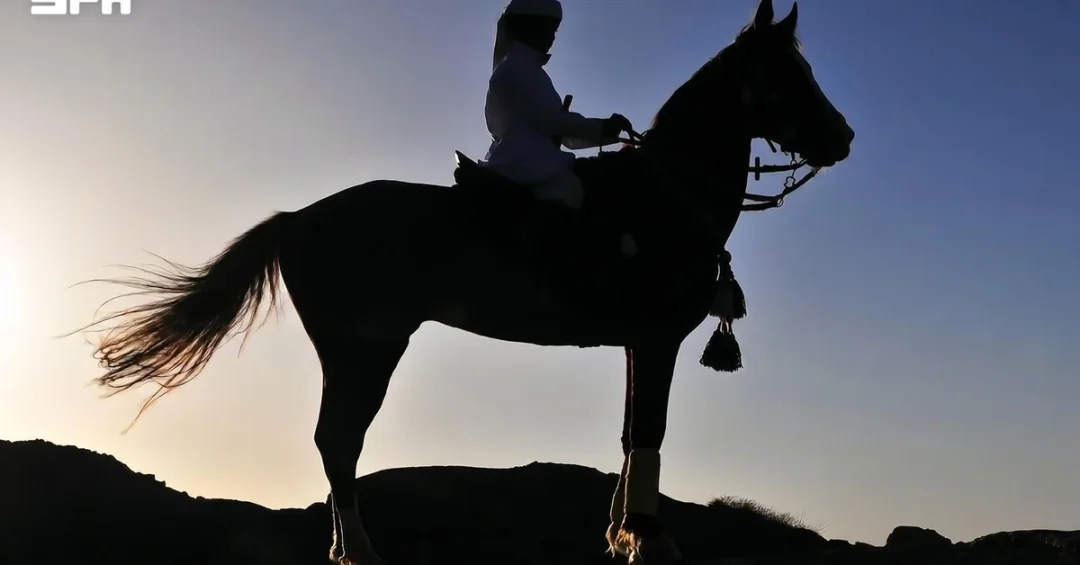
Najran, August 19, 2026, SPA – The Najran region is showcasing its unique cultural landscape on the occasion of World Photography Day, celebrated annually on August 19. Local photographers are using their lenses as pens to write history with light, capturing the pulse of civilizations and the stories etched in stone and mudbrick.
Context and Background
World Photography Day is more than a technical celebration; it serves as a guardian of human memory. In Najran, this day reveals the region as a living canvas open to artists. Photographers compete to make the silence of ancient mudbrick citadels and majestic ruins speak, particularly at the sites of Al-Okhdood and Hima. Through their lenses, they transform unique visual details and centuries-old heritage into timeless cultural messages, highlighting the depth of the Kingdom’s national identity and presenting it to the world as a premier tourist and cultural destination.
Key Details
Najran’s natural diversity—rugged mountains, verdant palm groves, and remarkable traditional architecture—provides endless inspiration for photographers. The combination of earth, straw, and palm trunks in historic fortifications interacts subtly with the play of shadows and light at sunrise and sunset, capturing the genius of ancient inhabitants in adapting to their environment and shaping a striking visual identity.
Beyond aesthetic beauty, photographers in Najran delve into history, documenting archaeological sites that bear witness to millennia-old civilizations. The Al-Okhdood site features engravings, paintings, and ramparts that tell stories of resilience and human history. Similarly, the Hima Cultural Area, a UNESCO World Heritage Site, is the world’s largest open-air museum of rock art. Photographers capture captivating details of human and animal figures, as well as inscriptions in South Arabian, Thamudic, Nabataean, and early Kufic alphabets, attracting researchers and tourists from around the globe.
The photographic lens also extends to intangible heritage and people. Najran’s photographers capture expressions of local folklore, from enthusiastic songs to embroidered traditional costumes and ancestral crafts such as making traditional daggers, pottery, and leatherwork, infusing the images with warmth, authenticity, and attachment to roots.
Implications and Impact
On this World Photography Day, Najran’s photographers emerge as visual historians and ambassadors of their heritage. Through their lenses, they immortalize a civilization that spans millennia, affirming the key role of imagery in preserving national memory. This also consolidates the region’s status as a tourism and cultural icon, aligning with Saudi Arabia’s broader efforts to promote its heritage and attract international visitors.
Vision 2030 Alignment
The celebration of World Photography Day in Najran underscores the Kingdom’s commitment to preserving and promoting its cultural heritage as a cornerstone of Vision 2030. By showcasing the region’s unique identity and historical depth, the initiative supports the diversification of the economy through cultural tourism and enhances Saudi Arabia’s global standing as a destination for heritage and modernity.
20 Questions
Q1. What is World Photography Day?
A1. World Photography Day is celebrated annually on August 19 to honor the art and science of photography. It recognizes the importance of photography in preserving memories and documenting history, as well as its role in cultural expression and communication.
Q2. Why is Najran significant on World Photography Day?
A2. Najran is highlighted on World Photography Day because of its unique cultural landscape and rich heritage, which offer endless inspiration for photographers. The region’s ancient sites and natural beauty make it a living canvas for visual storytelling.
Q3. What are the main archaeological sites in Najran mentioned?
A3. The main archaeological sites mentioned are Al-Okhdood and Hima. Al-Okhdood is known for its engravings and ancient ramparts, while Hima is a UNESCO World Heritage Site and the largest open-air museum of rock art in the world.
Q4. What elements of Najran’s architecture inspire photographers?
A4. The traditional architecture, made of earth, straw, and palm trunks, creates a striking interplay of light and shadow. The fortifications and citadels reflect the adaptation of ancient inhabitants to their environment, offering unique photographic opportunities.
Q5. How does photography contribute to preserving cultural heritage?
A5. Photography documents and immortalizes cultural heritage, including archaeological sites, traditions, and crafts. By capturing these elements, photographers help preserve them for future generations and raise awareness globally.
Q6. What is the significance of Al-Okhdood site?
A6. Al-Okhdood is an archaeological site with engravings, paintings, and ramparts that tell stories of ancient civilizations. It is significant for understanding the history and resilience of human societies in the region.
Q7. Why is Hima Cultural Area important?
A7. Hima is important because it is a UNESCO World Heritage Site and the largest open-air museum of rock art in the world. It contains thousands of rock art panels and inscriptions that are invaluable for research and tourism.
Q8. What types of inscriptions are found in Hima?
A8. Hima features inscriptions in South Arabian, Thamudic, Nabataean, and early Kufic alphabets. These inscriptions provide insights into ancient languages and cultures.
Q9. How do photographers in Najran go beyond aesthetics?
A9. Photographers delve into history, documenting archaeological sites and intangible heritage. They capture folklore, traditional costumes, and crafts, thereby preserving and promoting cultural identity.
Q10. What traditional crafts are mentioned in the article?
A10. The article mentions traditional dagger making, pottery, and leatherwork as examples of ancient crafts. These crafts are part of the region’s intangible heritage that photographers document.
Q11. What is the role of photographers as ambassadors?
A11. Photographers act as ambassadors by presenting Najran’s culture and heritage to the world through their images. They highlight the Kingdom’s identity and attract global attention and tourism.
Q12. How does Najran’s natural environment aid photography?
A12. The rugged mountains, palm groves, and varied landscapes provide diverse and stunning backdrops. The natural light during sunrise and sunset enhances the beauty of the architecture and sites.
Q13. What is the cultural significance of the traditional costumes?
A13. Traditional costumes, often embroidered, reflect the identity and customs of the region. They are a visual expression of cultural heritage that photographers capture to preserve and share.
Q14. How does the article link photography to national identity?
A14. The article states that photography highlights the depth of the Kingdom’s national identity. By showcasing heritage, photographers strengthen the sense of national pride and cultural continuity.
Q15. What is the message of the article?
A15. The article conveys that photography is a powerful tool for preserving and promoting cultural heritage. It emphasizes Najran’s role as a tourist and cultural icon and supports Saudi Arabia’s Vision 2030.
Q16. How does the celebration of World Photography Day align with Vision 2030?
A16. The celebration aligns with Vision 2030 by promoting cultural tourism and diversifying the economy. It showcases the Kingdom’s heritage as a key component of its global appeal.
Q17. What is the role of Saudi Press Agency (SPA) in this context?
A17. SPA is the official source that disseminates news about Saudi Arabia. In this context, SPA reports on the cultural activities in Najran, amplifying the message to international audiences.
Q18. What makes Hima the largest open-air museum?
A18. Hima has a vast collection of rock art and inscriptions spread over a large area. Its extensive and diverse recordings of human and animal figures make it unique in the world.
Q19. How might photography boost tourism in Najran?
A19. Stunning photographs can attract tourists by showcasing the region’s beauty and heritage. Visual documentation serves as a powerful marketing tool for tourism.
Q20. What does the article suggest about the future of Najran?
A20. The article implies a positive future where Najran gains recognition as a cultural and tourist destination. It supports the nation’s Vision 2030 goals, indicating growth in heritage tourism.
Reader Feedback
We value your thoughts. Please share your feedback on this article.
Your feedback helps us improve our coverage.