


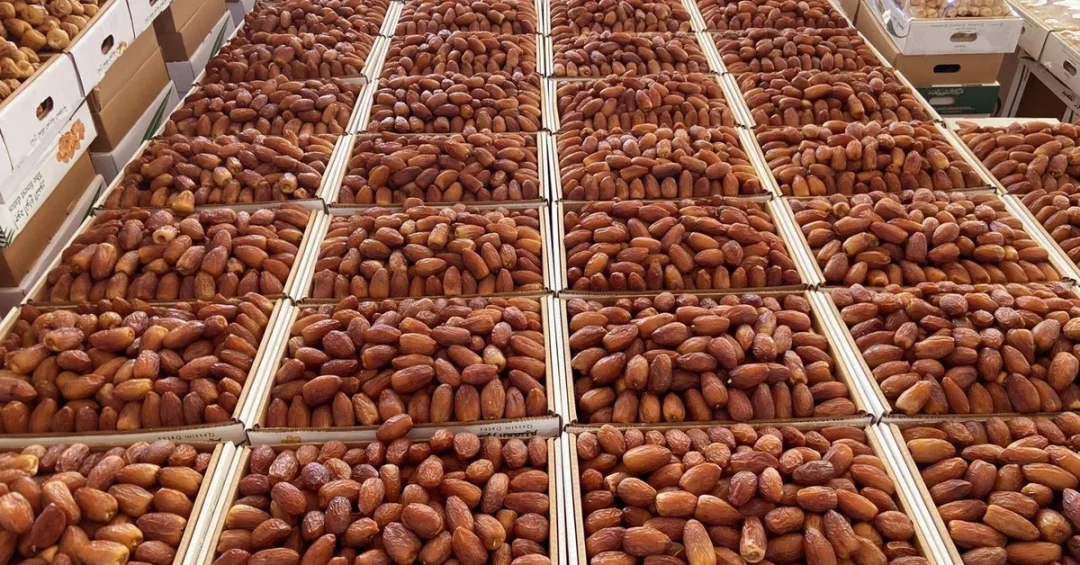
Al-Bukayriyah, August 18, 2026, SPA – The Al-Bukayriyah Date Market in the Qassim region is experiencing a vibrant commercial and agricultural season in 2026, characterized by diverse local production and active participation from farmers, traders, and consumers, alongside the engagement of youth and small enterprises in season-related activities.
Context and Background
Organized within the framework of the seasonal markets initiative by the National Center for Palms and Dates (NCPD), in cooperation with relevant authorities, this season aims to enhance marketing efficiency, improve services, and elevate the quality of local dates while strengthening their market presence. The market, located on King Salman Road near the vegetable market, features dedicated auction and sales areas, as well as complementary services that facilitate transactions among producers, traders, and consumers.
Key Details
The diversity of date varieties, particularly Sukkari dates, offers consumers a wide range of choices based on quality, size, maturity level, and packaging methods. Prices are determined by variety, quality, and the balance between supply and demand. Auctions serve as the primary daily activity, enabling direct transactions between farmers and traders, thereby streamlining marketing and reducing intermediaries.
The season also benefits ancillary economic activities, including transportation, loading, packaging, marketing, and retail sales. It provides seasonal employment opportunities for youth, small businesses, and family producers. Efforts are also directed toward developing date processing industries and increasing their use in food products, creating new prospects for farmers and investors.
Implications
Beyond its economic impact, the Al-Bukayriyah date season contributes to highlighting the agricultural heritage of the governorate, promoting its products and palm-related traditions, and supporting the local tourism experience. This underscores its role as an agricultural and economic platform that brings together producers, traders, and consumers, promoting the governorate’s date production.
Vision 2030 Alignment
The Al-Bukayriyah Date Market exemplifies Saudi Arabia’s commitment under Vision 2030 to diversify the economy, boost local agriculture, and empower small enterprises. By enhancing the efficiency of date marketing and fostering sustainable agricultural practices, the initiative supports the Kingdom’s goal of increasing non-oil exports and strengthening rural communities, contributing to a resilient and prosperous future.
20 Questions
Q1. What is the Al-Bukayriyah Date Market?
A1. It is a seasonal market in Al-Bukayriyah, Qassim region, Saudi Arabia, dedicated to date trading. It operates under the National Center for Palms and Dates (NCPD) and facilitates auctions, sales, and related services for farmers, traders, and consumers.
Q2. Where is the market located?
A2. The market is located on King Salman Road in Al-Bukayriyah, near the vegetable market. Its strategic location provides easy access for both sellers and buyers, enhancing its role as a central trading hub in the region.
Q3. Who organizes the market?
A3. The market is organized by the National Center for Palms and Dates (NCPD) in cooperation with relevant authorities. This collaboration ensures adherence to quality standards and efficient operations, aligning with national agricultural objectives.
Q4. What are the main activities at the market?
A4. The market’s primary activities include date auctions, direct sales, and trading. Additionally, it offers ancillary services like packaging, transportation, and retail, creating a comprehensive ecosystem for date commerce.
Q5. Which date varieties are available?
A5. The market features a diverse range of date varieties, including the popular Sukkari dates. Other local varieties are also available, offering consumers a wide selection based on quality, size, and maturity.
Q6. How are prices determined?
A6. Prices are determined based on the variety, quality, and market supply-demand dynamics. Auctions play a pivotal role in price discovery, ensuring fair and transparent transactions between farmers and buyers.
Q7. What is the role of auctions?
A7. Auctions are the main activity, facilitating direct transactions between farmers and traders. This reduces intermediaries, speeds up sales, and ensures competitive pricing for quality produce.
Q8. How does the market benefit local youth?
A8. The market creates seasonal job opportunities for youth in areas like logistics, sales, and packaging. It also encourages entrepreneurial ventures, supporting Vision 2030’s goal of empowering young Saudis.
Q9. How does it support small businesses?
A9. Small businesses and family producers gain a platform to sell their dates directly to consumers and traders. This reduces marketing costs and increases profitability, fostering economic growth in the community.
Q10. What ancillary activities are boosted?
A10. The season boosts activities such as transportation, loading, packaging, and retail. These services not only support the market but also stimulate local economic development and job creation.
Q11. How does the market promote tourism?
A11. The market attracts visitors interested in agricultural heritage and local traditions. This supports the tourism experience in Al-Bukayriyah, aligning with Saudi Arabia’s tourism diversification goals under Vision 2030.
Q12. What is the National Center for Palms and Dates?
A12. The NCPD is a Saudi government entity responsible for developing the palm and date sector. It oversees seasonal markets, promotes quality standards, and supports the industry’s growth, enhancing the Kingdom’s food security.
Q13. How does the market align with Vision 2030?
A13. The market supports Vision 2030 by diversifying the economy, promoting local agriculture, and empowering small enterprises. It contributes to increasing non-oil exports and strengthening rural economies, key national objectives.
Q14. What is the significance of Sukkari dates?
A14. Sukkari dates are a premium variety known for their sweetness and quality. Their presence in the market attracts consumers and enhances the market’s reputation as a hub for high-quality dates.
Q15. How does the market improve date quality?
A15. The market enforces quality standards through grading and sorting, ensuring only the best dates reach consumers. This focus on quality elevates the market’s credibility and encourages producers to maintain high standards.
Q16. Does the market support date processing industries?
A16. Yes, the market encourages the development of date processing industries by linking farmers with investors. This adds value to raw dates and creates new revenue streams, boosting the sector’s economic impact.
Q17. How does the market facilitate direct trade?
A17. By providing a centralized marketplace and auction system, the market enables direct interaction between producers and buyers. This reduces middlemen, increases efficiency, and ensures better returns for farmers.
Q18. What is the market’s impact on local heritage?
A18. The market showcases Al-Bukayriyah’s agricultural heritage, including traditional practices related to dates. This preserves cultural identity while educating visitors about the region’s historical importance.
Q19. How does the market contribute to food security?
A19. By supporting local date production and efficient marketing, the market strengthens domestic supply chains. This reduces reliance on imports and contributes to Saudi Arabia’s food security goals.
Q20. What are the future prospects for the market?
A20. The market is expected to expand, attracting more farmers and investors as it grows. Its success may lead to similar initiatives in other regions, further boosting the Kingdom’s agricultural sector and economic diversification.
Reader Feedback
We value your thoughts. Please share your feedback on this article.
Your feedback helps us improve our coverage.