


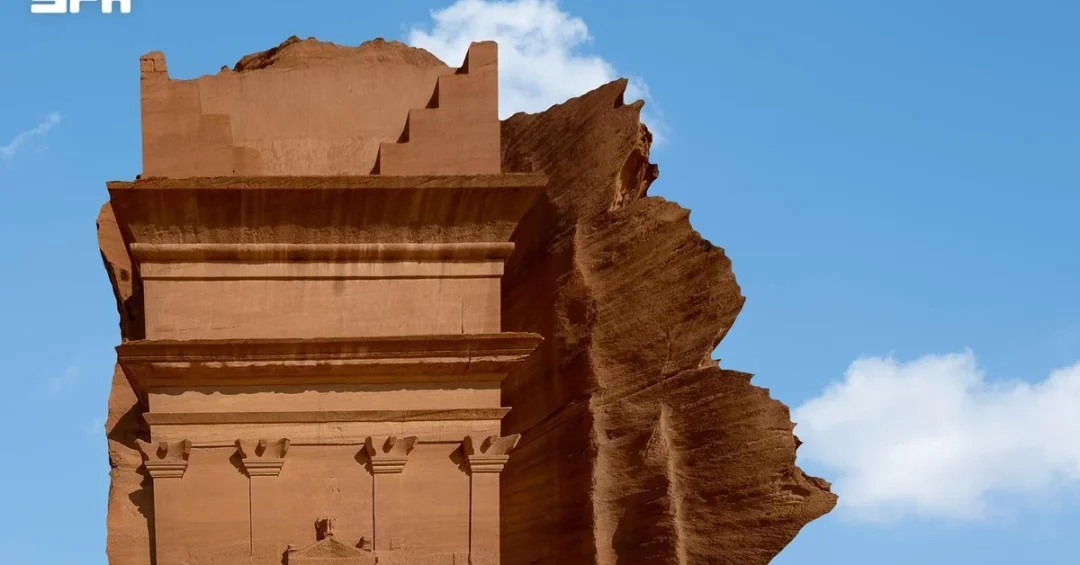
AlUla Governorate is celebrating World Photography Day on August 19, 2026, by highlighting its rich and diverse landscapes that offer photographers an expansive visual canvas, according to the Saudi Press Agency (SPA). The region’s natural wonders, historical landmarks, and cultural heritage provide unique opportunities for capturing compelling images, reinforcing AlUla’s status as a premier destination for visual storytelling.
Context and Background
World Photography Day, observed annually on August 19, commemorates the art and science of photography. For AlUla, this day underscores the destination’s commitment to showcasing its natural and cultural treasures to a global audience. The governorate, located in northwest Saudi Arabia, is a cornerstone of the Kingdom’s Vision 2030 tourism and heritage initiatives, blending ancient history with modern experiences.
Key Details
AlUla’s diverse terrain includes dramatic rock formations, majestic mountains, lush valleys, and agricultural oases, all of which offer photographers a variety of subjects. These landscapes are complemented by heritage sites such as Hegra, Saudi Arabia’s first UNESCO World Heritage Site, and the ancient city of Dadan. The region’s clear skies and low light pollution in many areas have also made it a haven for astrophotography, allowing photographers to capture celestial phenomena like the Milky Way.
Implications and Impact
The visual appeal of AlUla extends beyond its scenery. The region hosts numerous sporting events and cultural festivals, attracting photographers from around the world. This influx supports the local economy and promotes cross-cultural exchange. By highlighting AlUla’s photographic potential on a global stage, the Kingdom reinforces its position as a leading destination for tourism and creative industries.
Vision 2030 Alignment
AlUla’s development aligns seamlessly with Saudi Arabia’s Vision 2030, which seeks to diversify the economy and promote cultural heritage. By investing in tourism infrastructure and positioning AlUla as a global hub for photography and creativity, the Kingdom is unlocking new opportunities for economic growth and international engagement. As Vision 2030 progresses, AlUla will continue to serve as a shining example of Saudi Arabia’s commitment to preserving its heritage while embracing modernity.
20 Questions
Q1. What is World Photography Day?
A1. World Photography Day is an annual observance held on August 19 to celebrate the art, science, and history of photography. It encourages people to share their photographs and appreciate the craft, aligning with AlUla’s celebration of its landscapes.
Q2. Why is AlUla considered a diverse destination for photography?
A2. AlUla offers a mix of natural landscapes, historical landmarks, cultural heritage, and tourist attractions. From rock formations and mountains to oases and ancient sites, photographers can capture a wide range of subjects in one location.
Q3. What natural features does AlUla have?
A3. AlUla features dramatic rock formations, mountains, valleys, and agricultural oases. These elements provide varied backdrops for photographers, showcasing the region’s geological and ecological diversity.
Q4. How does AlUla support astrophotography?
A4. AlUla has clear skies and low light pollution in several locations, creating ideal conditions for capturing stars and celestial bodies. This has fostered a growing community of astrophotographers.
Q5. What historical sites are in AlUla?
A5. AlUla is home to Hegra, Saudi Arabia’s first UNESCO World Heritage Site, as well as the ancient city of Dadan and other archaeological treasures. These sites offer photographers rich historical subjects.
Q6. How does AlUla attract international photographers?
A6. AlUla hosts sporting events and cultural activities that draw photographers from worldwide. Its unique landscapes, combined with events, provide many photographic genres and perspectives.
Q7. What is the significance of World Photography Day for AlUla?
A7. It highlights AlUla’s role as a visual destination, promoting its scenic and cultural assets. The day underscores the region’s commitment to tourism and creative expression, aligning with national goals.
Q8. What role does the Saudi Press Agency play?
A8. The Saudi Press Agency (SPA) reported on AlUla’s photographic appeal, serving as an official source. This provides credible information and supports the dissemination of positive news about Saudi Arabia.
Q9. How does AlUla balance modern tourism and heritage?
A9. AlUla integrates modern tourism infrastructure with preservation of ancient sites. This approach ensures cultural heritage is protected while offering visitors world-class experiences, as part of Vision 2030.
Q10. What are the benefits of astrophotography in AlUla?
A10. Astrophotography showcases AlUla’s dark skies, promoting niche tourism and scientific interest. It also provides unique content that enhances the region’s reputation as a destination for specialized photography.
Q11. How does photography contribute to AlUla’s economy?
A11. Photography attracts tourists and professionals, who spend on accommodation, services, and activities. This generates income and jobs, supporting economic diversification under Vision 2030.
Q12. What events are held in AlUla?
A12. AlUla hosts cultural festivals, concerts, and sporting competitions like camel racing and marathons. These events provide lively subjects for photographers and enhance the region’s global visibility.
Q13. How does AlUla promote visual storytelling?
A13. By offering diverse landscapes and heritage, AlUla enables photographers to tell stories through imagery. The region’s beauty and cultural depth allow for narratives that connect people and place.
Q14. What is Vision 2030’s role in AlUla?
A14. Vision 2030 drives investment in AlUla’s tourism and cultural sectors, aiming to develop it into a global destination. This includes infrastructure improvements and promotional efforts that benefit photographers.
Q15. Why is low light pollution important?
A15. Low light pollution allows for clear views of stars and galaxies, essential for astrophotography. AlUla’s efforts to minimize artificial lighting enhance its appeal to astronomy enthusiasts.
Q16. What role do oases play in photography?
A16. Agricultural oases provide lush, green contrast to rocky terrain, presenting unique compositions. They also reflect traditional farming practices, adding cultural significance to photographs.
Q17. How does AlUla’s history influence photography?
A17. Ancient civilizations left monuments and inscriptions that provide historical context. Photographers can document these relics, helping preserve history through visual records.
Q18. What are the future prospects for AlUla?
A18. AlUla is expanding tourism infrastructure and hosting global events, likely increasing its photographic appeal. Continued development will attract more creators and enhance its cultural landscape.
Q19. How does the international community view AlUla?
A19. Globally, AlUla is recognized for its unique heritage and natural beauty, gaining attention from photographers and travelers. This positive perception boosts Saudi Arabia’s cultural diplomacy and tourism.
Q20. Where can people find more information?
A20. Official Saudi sources like the Saudi Press Agency provide updates on AlUla’s developments. Visitors can explore the Royal Commission for AlUla’s website for travel and photography information.
Reader Feedback
We value your thoughts. Please share your feedback on this article.
Your feedback helps us improve our coverage.