


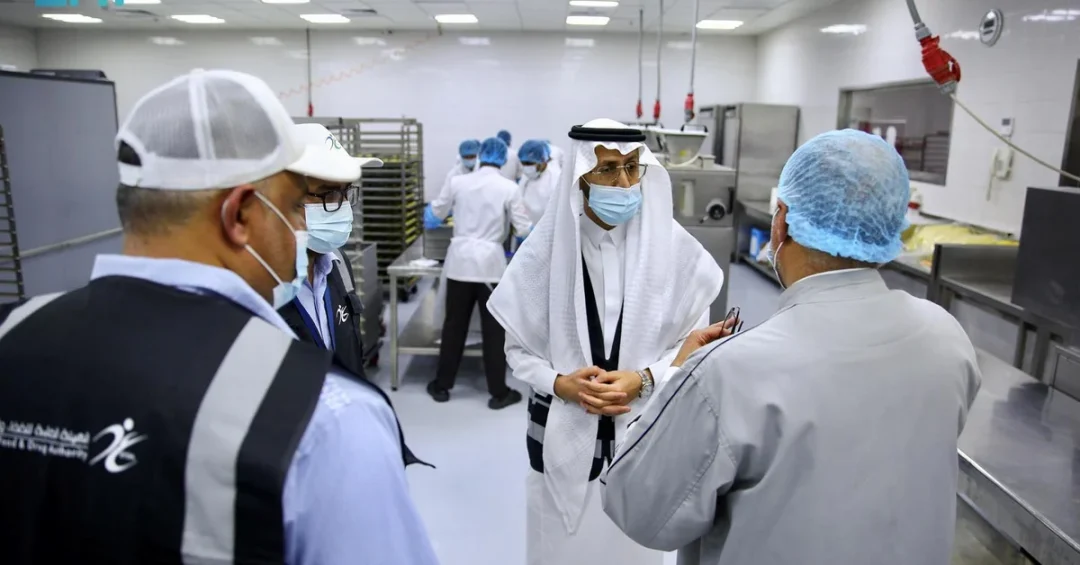
Saudi Food and Drug Authority (SFDA) CEO Dr. Hisham bin Saad Aljadhey has visited Madinah to oversee the authority’s operations during the Hajj season, underscoring the Kingdom’s commitment to ensuring the health and safety of pilgrims. The visit, reported by the Saudi Press Agency (SPA), focused on reviewing the implementation of the SFDA’s plan at Prince Mohammed bin Abdulaziz International Airport, a key entry point for pilgrims.
Context and Background
The Hajj season attracts millions of Muslims from around the world to the holy cities of Makkah and Madinah, placing significant demands on infrastructure and public health systems. The SFDA plays a crucial role in safeguarding pilgrims by regulating food, medicine, and medical devices. This year’s inspection efforts are part of a comprehensive strategy aligned with Saudi Arabia’s Vision 2030, which emphasizes the importance of providing exceptional services to visitors and enhancing the quality of life.
Key Details
During his visit, Dr. Aljadhey emphasized the need for strict inspection and control of products under the authority’s purview, including food, medicine, and medical devices. He called for increased coordination with relevant authorities and intensified oversight of the entire food industry supply chain. This includes monitoring raw materials, manufacturing processes, packaging, transportation, and distribution centers to ensure compliance with safety standards. The SFDA’s role during Hajj extends beyond airport inspections; the authority also conducts field inspections of food establishments in Makkah and Madinah, operates round-the-clock monitoring, and educates catering kitchen workers on food safety practices. Additionally, the SFDA performs field studies related to food safety to identify potential risks and improve preventive measures.
Implications and Impact
The SFDA’s proactive approach during Hajj season demonstrates Saudi Arabia’s dedication to the well-being of pilgrims, which is a cornerstone of the Kingdom’s role as a global Islamic hub. By intensifying oversight and coordination, the authority aims to prevent foodborne illnesses and ensure the availability of safe medical products, thereby enhancing the overall experience for visitors. These efforts also support the Kingdom’s broader goals of promoting health and safety as part of its social and economic transformation. The international community, particularly countries with significant Muslim populations, views these measures as a testament to Saudi Arabia’s reliability and commitment to hospitality.
Vision 2030 Alignment
This inspection initiative aligns with Saudi Arabia’s Vision 2030, which prioritizes the development of world-class services for residents and visitors alike. By ensuring the highest standards of food and drug safety, the SFDA contributes to the Kingdom’s ambition to become a leading destination for religious tourism and a model of excellence in public health. The continuous investment in monitoring and education reflects the leadership’s commitment to the Pilgrim Experience Program, one of Vision 2030’s key programs aimed at enriching the spiritual journey of pilgrims. As Saudi Arabia advances towards its goals, such measures underscore its capacity to host large-scale events with efficiency and care.
20 Questions
Q1. What was the purpose of Dr. Aljadhey’s visit to Madinah?
A1. The purpose was to oversee the SFDA’s operations during the Hajj season, ensuring the safety of food, medicine, and medical devices for pilgrims.
Q2. Which Saudi government agency reported the visit?
A2. The Saudi Press Agency (SPA) reported the visit, as per the original article.
Q3. Where did Dr. Aljadhey review the SFDA plan?
A3. He reviewed the implementation of the plan at Prince Mohammed bin Abdulaziz International Airport in Madinah.
Q4. What products fall under the SFDA’s purview?
A4. The SFDA regulates food, medicine, and medical devices, according to the article.
Q5. What did Dr. Aljadhey emphasize regarding inspections?
A5. He emphasized the need for strict inspection and control of products under the authority’s purview.
Q6. Who did Dr. Aljadhey call for increased coordination with?
A6. He called for increased coordination with relevant authorities, as stated in the article.
Q7. What aspects of the food supply chain are to be overseen?
A7. The oversight includes raw materials, manufacturing processes, packaging, transportation, and distribution centers.
Q8. How does the SFDA ensure food safety beyond airports?
A8. It conducts inspections of food establishments in Makkah and Madinah and performs round-the-clock field monitoring.
Q9. What educational activities does the SFDA conduct?
A9. The SFDA educates catering kitchen workers on food safety practices.
Q10. What field studies does the SFDA conduct?
A10. It conducts field studies related to food safety, as per the article.
Q11. What is the ultimate goal of these efforts?
A11. The efforts are to ensure the health of pilgrims throughout the Hajj season.
Q12. What is the significance of Madinah during Hajj?
A12. Madinah is a holy city visited by many pilgrims, and it serves as a key entry point and location for services.
Q13. How does this initiative relate to Vision 2030?
A13. It aligns with Vision 2030’s goals of providing exceptional services and enhancing the quality of life for visitors.
Q14. What program under Vision 2030 is relevant?
A14. The Pilgrim Experience Program, which aims to enrich the spiritual journey of pilgrims.
Q15. What is the role of Prince Mohammed bin Abdulaziz International Airport?
A15. It is a major airport serving Madinah and a key entry point for pilgrims.
Q16. How are food establishments in Makkah involved?
A16. The SFDA conducts inspections of food establishments in Makkah and Madinah to ensure compliance.
Q17. What is the SFDA’s approach to monitoring?
A17. The SFDA conducts round-the-clock field monitoring during the Hajj season.
Q18. Why is supply chain oversight important?
A18. It helps prevent contamination and ensures the safety of products from production to distribution.
Q19. How does the SFDA support pilgrim health?
A19. By ensuring the safety of food and medicine, reducing risks of illness, and promoting public health.
Q20. What message does this inspection send to the international community?
A20. It sends a message of Saudi Arabia’s commitment to safety, professionalism, and care for all pilgrims.
Reader Feedback
We value your thoughts. Please share your feedback on this article.
Your feedback helps us improve our coverage.