


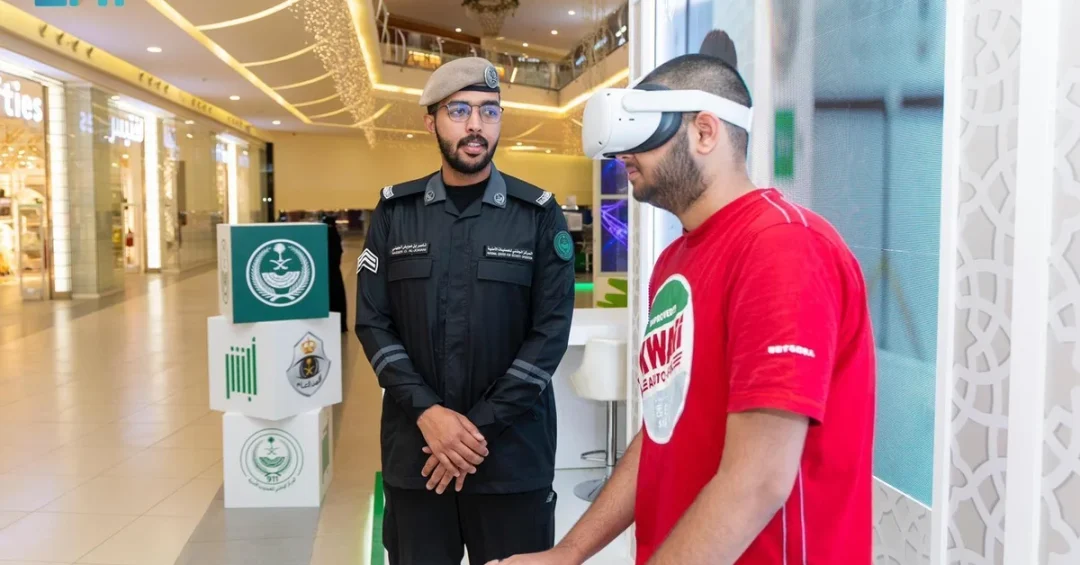
The Ministry of Interior of Saudi Arabia launched a mobile exhibition titled ‘No Hajj Without a Permit’ in Madinah on May 20, 2024, running until May 25, aimed at raising awareness among residents about safe and secure Hajj practices. The exhibition forms part of the Ministry’s ongoing efforts to educate the public on the importance of obtaining official permits for Hajj, ensuring a smooth and orderly pilgrimage experience for all.
Context and Background
The initiative comes as Saudi Arabia prepares to welcome millions of pilgrims for the annual Hajj season. The Kingdom has consistently worked to enhance the pilgrimage experience, leveraging advanced technologies and strategic planning. The ‘No Hajj Without a Permit’ campaign is a key component of these efforts, designed to inform residents about the legal requirements and the benefits of adhering to the regulations. By holding this exhibition in Madinah, a city deeply connected to Islamic heritage, the Ministry aims to reach a broad audience and emphasize the importance of compliance.
Key Details
Visitors to the exhibition are offered insights into the Ministry’s use of artificial intelligence (AI) to manage crowds during Hajj, a testament to Saudi Arabia’s commitment to innovation and safety. Additionally, the exhibition showcases the Makkah Route Initiative, part of the broader Pilgrim Experience Program under Saudi Vision 2030. This year, the initiative is being implemented for the sixth time at 11 airports in seven countries, facilitating the arrival of pilgrims and streamlining their journey. Displays highlight the Ministry’s efforts to ensure the security and safety of visitors to the Two Holy Mosques, including emergency reporting procedures through the unified security operations centers (911) and the services offered on the Absher electronic platform.
Implications and Impact
The exhibition underscores Saudi Arabia’s dedication to utilizing modern technology and comprehensive planning to enhance the safety and comfort of pilgrims. By integrating AI for crowd management, the Kingdom is setting a global standard in handling mass gatherings. The expansion of the Makkah Route Initiative to multiple countries demonstrates Saudi Arabia’s proactive approach to serving pilgrims from around the world, aligning with its vision to be a leader in Islamic hospitality. These efforts not only improve the pilgrimage experience but also reinforce the Kingdom’s commitment to the well-being of all visitors.
Vision 2030 Alignment
This exhibition and the broader initiatives it represents are integral to the realization of Saudi Vision 2030, which seeks to enrich the spiritual experience of pilgrims and visitors. The Vision’s objectives include increasing the capacity to host Umrah and Hajj pilgrims, improving services, and leveraging technology to achieve these goals. Through such campaigns and the ongoing development of the Pilgrim Experience Program, Saudi Arabia is demonstrating its unwavering commitment to serving Islam’s holiest sites and ensuring that every pilgrim receives a safe, memorable, and spiritually uplifting journey. As the Kingdom continues to implement Vision 2030 projects, initiatives like the ‘No Hajj Without a Permit’ exhibition highlight the comprehensive approach to making the pilgrimage experience seamless and secure for all.
20 Questions
Q1. What is the ‘No Hajj Without a Permit’ mobile exhibition?
A1. It is an awareness campaign by the Ministry of Interior held in Madinah from May 20 to 25, 2024, to educate residents about the importance of obtaining a permit for Hajj and following safe practices.
Q2. Who is organizing the exhibition?
A2. The Ministry of Interior of Saudi Arabia is organizing the exhibition as part of its efforts to ensure a safe and secure Hajj season.
Q3. When and where is the exhibition taking place?
A3. The exhibition is taking place in Madinah from May 20 to May 25, 2024, with specific timings and location details provided by the Ministry.
Q4. Why is the ‘No Hajj Without a Permit’ campaign important?
A4. It emphasizes the legal requirement for a Hajj permit, which helps manage crowd flow, ensure safety, and improve the overall experience for pilgrims.
Q5. What technology is highlighted at the exhibition?
A5. The exhibition showcases the Ministry’s use of artificial intelligence to manage crowds during Hajj, demonstrating advanced technological solutions for safety.
Q6. What is the Makkah Route Initiative?
A6. It is part of the Pilgrim Experience Program under Vision 2030, designed to streamline the entry of pilgrims by processing visas, biometrics, and other formalities at their home countries’ airports.
Q7. How many countries are involved in the Makkah Route Initiative this year?
A7. The initiative is being implemented at 11 airports in seven countries, marking its sixth consecutive year.
Q8. What is the Pilgrim Experience Program?
A8. It is a Vision 2030 program aimed at enhancing the spiritual journey of pilgrims by improving services and facilities, simplifying procedures, and using technology.
Q9. What is the role of AI in Hajj crowd management?
A9. AI helps monitor and predict crowd movements, enabling authorities to deploy resources effectively and prevent overcrowding, thus ensuring safety.
Q10. What is the unified security operations center (911)?
A10. It is a central emergency reporting system that allows residents and visitors to contact authorities in case of emergencies during Hajj.
Q11. What services does the Absher platform provide?
A11. Absher is an electronic platform offering various government services, including visa services, identity management, and other digital solutions for citizens and residents.
Q12. How does the exhibition benefit residents?
A12. It educates them on Hajj regulations, the importance of permits, and how to report emergencies, contributing to a safer environment.
Q13. What is the significance of holding the exhibition in Madinah?
A13. Madinah is a major entry point for pilgrims and has historical significance, making it a strategic location to reach a large audience.
Q14. How does this exhibition support Vision 2030?
A14. It aligns with Vision 2030’s goal to improve pilgrimage services and enhance the spiritual experience, using technology and education.
Q15. Are there penalties for performing Hajj without a permit?
A15. Yes, Saudi authorities have imposed penalties to ensure compliance, which the exhibition aims to inform residents about.
Q16. How can the public attend the exhibition?
A16. The public can attend during the specified dates in Madinah, with details on timings and location available from official Saudi sources.
Q17. What are the main safety measures highlighted?
A17. The exhibition highlights emergency procedures, crowd management with AI, and the importance of obtaining permits to ensure orderly pilgrim flow.
Q18. How does the Makkah Route Initiative facilitate pilgrim entry?
A18. It processes visas, biometrics, and other formalities at airports in the pilgrim’s home country, reducing time and hassle upon arrival in Saudi Arabia.
Q19. What is the expected impact of the exhibition on Hajj safety?
A19. By raising awareness, it aims to increase permit compliance, reduce overcrowding, and enhance overall safety, benefiting all pilgrims.
Q20. Where can more information be obtained?
A20. More information can be obtained from official Saudi sources, including the Ministry of Interior and the Saudi Press Agency (SPA).
Reader Feedback
We value your thoughts. Please share your feedback on this article.
Your feedback helps us improve our coverage.