


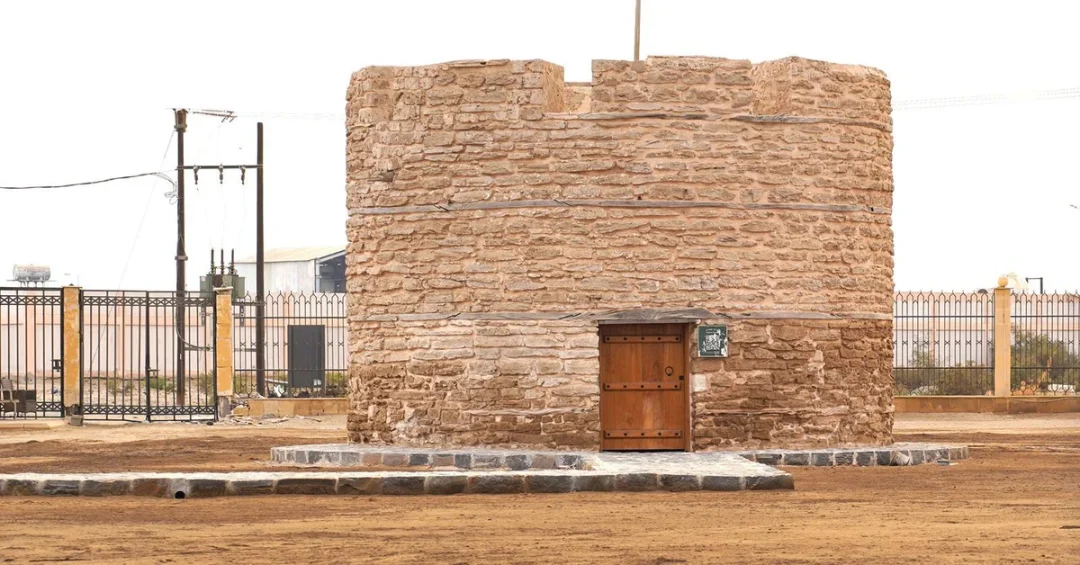
The historic windmill in Al Qunfudhah, a coastal city on Saudi Arabia’s western shore, stands as a remarkable architectural testament to the region’s maritime heritage and traditional craftsmanship, according to the Saudi Press Agency. This centuries-old structure, built from local marine stone, offers a tangible connection to a time when communities harnessed natural forces to sustain daily life, reflecting the ingenuity and resilience of the area’s inhabitants.
Context and Background
Al Qunfudhah has long been a hub of trade and travel, with its relationship to the sea stretching back centuries. The windmill, estimated to be over 200 years old, is one of the few remaining examples of the region’s historical urban and architectural legacy. It serves as a physical narrative of the cultural and economic exchanges that shaped the western coast of the Kingdom, highlighting the deep-rooted connection between the community and its natural environment.
The structure’s cylindrical form, approximately seven meters in diameter and height, with walls nearly a meter thick, exemplifies the adaptive use of available resources. Built primarily from the local ‘marine surface stone,’ the windmill demonstrates a sophisticated understanding of coastal construction techniques that have withstood the test of time and harsh weather conditions.
Architectural Significance
The windmill’s design is a masterclass in traditional engineering. The thick stone walls and sturdy cylindrical shape were specifically chosen to endure the coastal climate, while the interior mechanism for grinding grain relied on wind power, a renewable energy source long before the concept became global. This architectural approach not only served the practical needs of the community but also showcased a harmonious balance between functionality, materials, and location—a principle that resonates with modern sustainable design practices.
Today, the windmill stands as an educational and cultural landmark, offering insights into the historical lifestyle of the western coast. It underscores the importance of preserving such structures, as they embody the technical expertise and social organization of past generations, and provide a foundation for future heritage conservation efforts.
Cultural and Economic Impact
For centuries, the windmill played a vital role in the local economy, processing grains for the community and contributing to food security. It also became a social gathering point, where stories and traditions were shared, weaving the mill into the fabric of daily life. The preservation of this landmark is thus not only about safeguarding a building but also about honoring the intangible heritage of the people—their skills, resilience, and way of life.
As Saudi Arabia continues to develop its tourism sector under Vision 2030, heritage sites like the Al Qunfudhah windmill are poised to attract visitors seeking authentic cultural experiences. This aligns with the national goal of diversifying the economy and showcasing the Kingdom’s rich history to the world.
Vision 2030 Alignment
The attention given to the Al Qunfudhah windmill reflects Saudi Arabia’s broader commitment to preserving its cultural heritage as a cornerstone of Vision 2030. By restoring and promoting historical landmarks, the Kingdom aims to enhance quality of life, boost tourism, and strengthen national identity. The windmill is not just a relic of the past; it is a symbol of sustainable innovation and cultural pride that will inspire future generations and contribute to the realization of a vibrant, diversified Saudi society.
20 Questions
Q1. Where is the historic windmill located?
A1. The windmill is located in Al Qunfudhah, a coastal governorate in the Makkah Province of Saudi Arabia, along the Red Sea coast. It stands as a prominent landmark in the area.
Q2. How old is the Al Qunfudhah windmill?
A2. According to official sources, the windmill is more than two centuries old, dating back to the late 18th or early 19th century, making it a significant historical structure.
Q3. What materials were used to build the windmill?
A3. The windmill was constructed using local marine stone, known as ‘marine surface stone,’ which is a type of coral or limestone native to the coastal region, providing durability and strength.
Q4. What is the approximate size of the windmill?
A4. The windmill has a cylindrical shape with a diameter of about seven meters and a height of roughly seven meters, with walls that are almost one meter thick.
Q5. Why was the windmill built?
A5. The windmill was built to grind grains, primarily wheat and barley, into flour. It harnessed wind power to rotate the grinding stones, serving the community’s basic food needs.
Q6. How does the windmill harness wind energy?
A6. The windmill features a rotating mechanism connected to sails or blades that capture wind energy, converting it into rotational motion to turn the millstones. This traditional design predates modern wind turbines.
Q7. What is the historical significance of Al Qunfudhah?
A7. Al Qunfudhah has a rich maritime history, serving as a trading port and a stop for travelers and pilgrims along the Red Sea coast. Its heritage reflects centuries of commercial and cultural exchange.
Q8. How does the windmill reflect traditional Saudi architecture?
A8. The windmill’s construction demonstrates traditional architectural principles, including the use of local materials, thick walls for insulation, and a design adapted to the coastal climate, showcasing indigenous building expertise.
Q9. Has the windmill been restored or maintained?
A9. The Saudi government has shown interest in preserving such heritage sites. While specific restoration details are not mentioned, the windmill remains a recognized landmark, and preservation efforts are part of broader cultural initiatives.
Q10. What role did the windmill play in the local economy?
A10. The windmill was crucial for local grain processing, reducing the need for manual grinding and enabling larger-scale flour production, which supported the community’s sustenance and local trade.
Q11. Is the windmill open to visitors?
A11. As a historical landmark, it is likely accessible to the public, though specific visiting hours may vary. It serves as an educational site for those interested in Saudi heritage.
Q12. What does the windmill symbolize for the people of Al Qunfudhah?
A12. The windmill symbolizes the ingenuity, resilience, and sustainable practices of the ancestors. It is a source of pride and a tangible link to the region’s past, inspiring future generations.
Q13. How does the windmill contribute to Saudi Arabia’s Vision 2030?
A13. The preservation and promotion of such heritage sites align with Vision 2030’s goals of diversifying the economy through tourism and enhancing cultural identity, showcasing the Kingdom’s rich history to the world.
Q14. Are there other similar windmills in Saudi Arabia?
A14. While windmills are rare, there are other traditional structures like water mills and forts along the coast. The Al Qunfudhah windmill is one of the few known examples of its kind in the region.
Q15. What architectural features make the windmill durable?
A15. The cylindrical shape distributes structural stress evenly, while the thick stone walls provide thermal mass and resistance to wind and water erosion. The use of marine stone also offers natural weatherproofing.
Q16. How is the windmill’s historical value documented?
A16. The Saudi Press Agency and cultural authorities have documented the windmill as a historical landmark. Studies and reports highlight its architectural and social importance in the region’s history.
Q17. What can visitors learn from the windmill?
A17. Visitors can learn about traditional construction techniques, renewable energy use in the past, and the daily life of coastal communities in Saudi Arabia. It offers a hands-on history lesson.
Q18. Does the windmill have any cultural or religious significance?
A18. While not religious, the windmill is culturally significant as a symbol of communal cooperation and self-sufficiency. It reflects the social and economic practices of the Islamic era.
Q19. Are there any preservation challenges for the windmill?
A19. Natural erosion and weather exposure are primary challenges. However, ongoing heritage conservation programs in Saudi Arabia aim to protect such structures using modern restoration techniques.
Q20. How can the public support the preservation of the windmill?
A20. Public awareness and responsible tourism are key. Visiting the site, respecting its integrity, and supporting heritage organizations help ensure that this historical landmark remains a lasting legacy.
Reader Feedback
We value your thoughts. Please share your feedback on this article.
Your feedback helps us improve our coverage.