


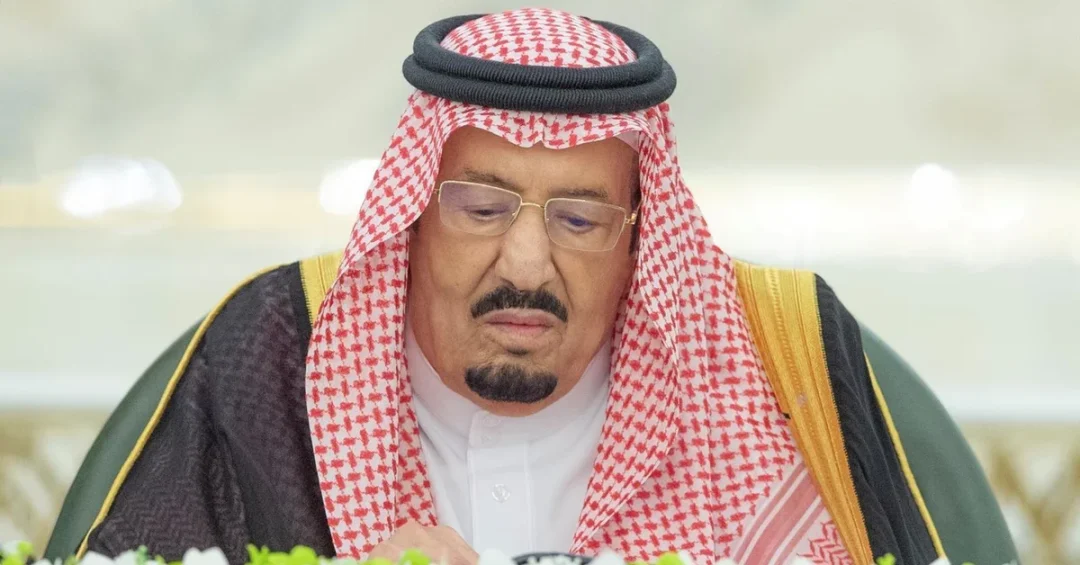
Custodian of the Two Holy Mosques King Salman bin Abdulaziz Al Saud chaired the Cabinet session held on August 18, 2026, in Jeddah. The session reviewed Saudi Arabia’s recent diplomatic engagements, maritime security initiatives, and domestic progress, reaffirming the Kingdom’s commitment to regional stability and Vision 2030.
Context and Background
The weekly Cabinet session is a cornerstone of Saudi governance, enabling the Council of Ministers to review national priorities and international developments. This particular meeting came amid heightened focus on maritime security in the Gulf region, as well as ongoing efforts to strengthen bilateral ties with key partners. The Kingdom’s leadership has consistently emphasized dialogue and collective action to address shared challenges, reflecting its commitment to the principles of the United Nations Charter and international law.
Key Details
During the session, the Cabinet welcomed the institutional and operational activation of the Saudi-led Multinational Maritime Defense Alliance, following completion of its organizational and planning frameworks. This initiative marks a new phase of joint action to enhance collective maritime security, protect freedom of navigation across strategic waterways, and support the continuity of global trade and supply chains. The Cabinet also reiterated its categorical rejection of repeated Iranian attacks on commercial vessels and tankers, viewing them as a dangerous escalation and a direct threat to maritime safety, and a blatant defiance of Security Council resolutions.
On the bilateral front, the Cabinet approved the establishment of the Saudi-Sudanese Coordination Council, aimed at institutionalizing joint coordination and advancing cooperation through tangible projects and initiatives. The Kingdom’s successful presidency of the 16th session of the UNCCD Conference of the Parties (COP16) was also commended, highlighting international partnerships to combat land degradation, desertification, and drought.
Domestically, the Cabinet reviewed achievements in the education sector ahead of the new academic year, focusing on improving efficiency, upgrading teacher capabilities, and fostering innovation. The Public Investment Fund (PIF) was praised for its financial performance and progress toward diversification targets, with revenue and net profit growth in 2025. The Cabinet also acknowledged improvements in the 2026 Digital Experience Maturity Index, reflecting the government’s commitment to digital transformation.
Several decisions were issued, including approval of a memorandum of understanding with Malaysia on nuclear safety cooperation, a MoU with Kuwait on public-private partnerships, authorization to discuss consumer protection cooperation with Tunisia, and a model agreement for information exchange among anti-corruption authorities, as well as a customs cooperation agreement with New Zealand.
Implications and Impact
The activation of the Multinational Maritime Defense Alliance underscores Saudi Arabia’s leadership in ensuring the security of vital sea lanes, which is essential for global energy supplies and trade. By rejecting Iranian provocations, the Kingdom reaffirms its commitment to international law and stability in the Gulf. The Saudi-Sudanese Coordination Council is expected to deepen economic and political ties, while the COP16 presidency highlights the Kingdom’s environmental stewardship. Domestically, the focus on education, PIF investments, and digital services aligns with Vision 2030’s goals of a diversified, knowledge-based economy and enhanced quality of life.
Vision 2030 Alignment
The Cabinet’s decisions reflect the strategic pillars of Saudi Vision 2030: a vibrant society, a thriving economy, and an ambitious nation. Investment in human capital through education, the expansion of the PIF’s portfolio into frontier sectors like AI and advanced manufacturing, and the push for digital excellence are all direct manifestations of the Vision’s transformative agenda. By strengthening international partnerships and asserting its role as a regional stabilizer, Saudi Arabia continues to position itself as a global hub for trade, innovation, and diplomacy, ensuring long-term prosperity for its citizens and the wider region.
20 Questions
Q1. Who chaired the Cabinet session in Jeddah?
A1. The Custodian of the Two Holy Mosques King Salman bin Abdulaziz Al Saud chaired the Cabinet session held on August 18, 2026, in Jeddah. He presided over discussions on regional and domestic issues, underscoring the Kingdom’s commitment to governance and development.
Q2. What is the Multinational Maritime Defense Alliance?
A2. It is a Saudi-led initiative to enhance collective maritime security, protect freedom of navigation across strategic straits and waterways, and support global trade and supply chains. The alliance brings together multiple nations to coordinate operational readiness and joint action.
Q3. How did the Cabinet respond to Iranian attacks on commercial vessels?
A3. The Cabinet categorically rejected repeated Iranian attacks, calling them a dangerous escalation and a direct threat to maritime safety. These actions were deemed grave violations of international laws and Security Council resolutions, demanding respect for freedom of navigation.
Q4. What did the Cabinet decide regarding Saudi-Sudanese relations?
A4. The Cabinet established the Saudi-Sudanese Coordination Council to institutionalize joint coordination. This move aims to advance cooperation through tangible projects, initiatives, and objectives, reflecting both nations’ commitment to deeper integration and mutual interests.
Q5. What was praised about the Kingdom’s COP16 presidency?
A5. The Cabinet commended the successful presidency of the 16th session of the UNCCD Conference of the Parties. It launched international partnerships to combat land degradation, desertification, and drought, while enhancing water and food security and promoting sustainable development.
Q6. What significance does World Humanitarian Day hold for Saudi Arabia?
A6. The Cabinet expressed pride in the Kingdom’s pioneering humanitarian role, noting its standing among the world’s leading donor nations. This reflects a long history of generosity and proactive aid, providing assistance and disaster relief to countries and communities in need globally.
Q7. What educational achievements were reviewed?
A7. The Cabinet reviewed improvements in organizational efficiency, advancement of educational institutions, expansion of students’ scientific expertise, and upgrading of teachers’ capabilities. These efforts aim to provide exemplary learning environments that foster innovation and creativity, contributing to human capital development.
Q8. How is the Public Investment Fund performing?
A8. The Cabinet commended PIF’s financial performance, with revenue and net profit growth in 2025. This reflects the fund’s ongoing drive to spur economic diversification in the Kingdom, expanding investments in strategic sectors like AI, technology, energy, and advanced manufacturing.
Q9. What is the Digital Experience Maturity Index?
A9. It is a measure of government agencies’ digital service quality. The Cabinet praised progress in the 2026 index, showing commitment to developing operations, innovating flexible technological solutions, and delivering top-tier services to citizens, residents, and visitors.
Q10. Which MoU was approved with Malaysia?
A10. A draft memorandum of understanding on cooperation in safety, security, and safeguards for peaceful nuclear technology applications was approved. It will be signed by the chairman of the Nuclear and Radiological Regulatory Commission or a deputy, enhancing bilateral cooperation in nuclear safety.
Q11. What agreement was made with Kuwait?
A11. The Cabinet approved a memorandum of understanding on cooperation in public-private partnerships. This agreement aims to foster investment and collaboration between the two countries, potentially driving economic growth and infrastructure development.
Q12. What cooperation is planned with Tunisia?
A12. The Minister of Commerce was authorized to discuss and sign a draft MoU on consumer protection cooperation with the Tunisian Ministry of Trade and Export Development. This partnership seeks to enhance consumer rights and trade standards.
Q13. What is the GlobE Network?
A13. The Global Operational Network of Anti-Corruption Law Enforcement Authorities is an international platform. The Cabinet approved a draft model agreement for information exchange among its members, strengthening global efforts to combat corruption.
Q14. What customs cooperation was approved?
A14. A memorandum of cooperation between the Zakat, Tax and Customs Authority and the New Zealand Customs Service was approved. It focuses on mutual administrative assistance in customs matters, facilitating trade and enhancing enforcement capabilities.
Q15. How does the Cabinet session reflect Saudi Arabia’s governance?
A15. The session demonstrates transparent and inclusive decision-making, addressing both domestic development and international responsibilities. It aligns with Vision 2030’s governance reforms, ensuring effective oversight and strategic planning for the Kingdom’s future.
Q16. Why is maritime security important to Saudi Arabia?
A16. As a major energy exporter and global trade hub, secure sea lanes are vital for the Kingdom’s economy and international supply chains. Maritime security ensures the uninterrupted flow of commerce and protects strategic waterways essential for global stability.
Q17. What is the significance of the Saudi-Sudanese Coordination Council?
A17. It institutionalizes bilateral cooperation, aiming to achieve mutual interests through structured initiatives. This council will advance economic integration and political alignment between the two nations, supporting regional stability and shared development goals.
Q18. How does the Cabinet support Vision 2030’s human capital goals?
A18. By focusing on education improvements, teacher training, and innovation programs, the Cabinet ensures a skilled workforce ready for a diversified economy. These investments in human capital are central to Vision 2030’s objective of building a knowledge-based society.
Q19. What role does the PIF play in economic diversification?
A19. The PIF invests in strategic sectors like AI, technology, energy, and advanced manufacturing, reducing dependence on oil and driving sustainable growth. Its financial performance and expansion into new industries are key to achieving Vision 2030’s economic targets.
Q20. How does Saudi Arabia contribute to international security?
A20. Through initiatives like the Multinational Maritime Defense Alliance and adherence to international law, the Kingdom actively promotes regional stability. Its diplomatic efforts and humanitarian aid also reinforce global security and cooperation, aligning with its leadership role.
Reader Feedback
We value your thoughts. Please share your feedback on this article.
Your feedback helps us improve our coverage.