


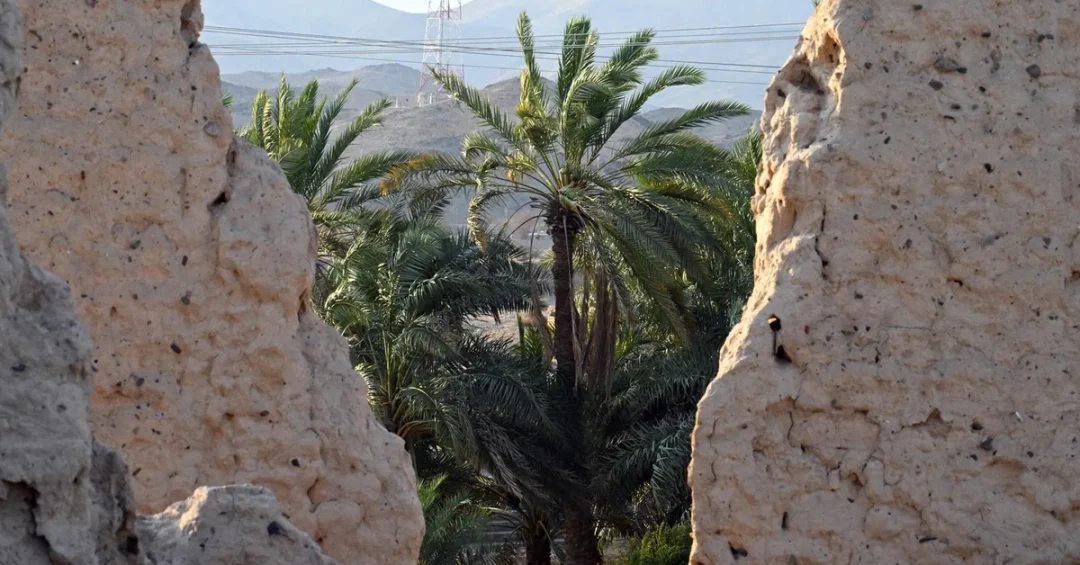
The traditional date harvest season known as “Jidad” – the cutting of ripe date clusters – has begun in Yanbu Al-Nakhil, marking the final stage of the date farming calendar and the end of a year of meticulous care for palm groves. This seasonal milestone, celebrated across the region, coincides with the last days of summer and represents a deep-rooted cultural practice that continues to shape the agricultural and social life of this historic area.
Context and Background
Yanbu Al-Nakhil is recognized as one of Saudi Arabia’s leading regions for date production and harvesting. The “Jidad” season is more than a simple agricultural event; it is a symbol of heritage and a time when families and communities come together to gather the fruits of their labor. The dates harvested during this phase are carefully selected based on ripeness, prepared for local consumption, hospitality, and market distribution, thereby reinforcing the economic significance of the date palm in the Kingdom.
Historically, dates have been the backbone of the region’s economy, providing a primary source of income for generations. The onset of the harvest season is a period of communal effort, traditional methods, and shared pride. While modern equipment and innovative techniques have enhanced productivity, the essence of “Jidad” remains deeply rooted in the social and agricultural fabric of the community.
Key Details
According to Abdulrahman Abu Daij, a local farmer, the Jidad season marks the conclusion of an entire year of hard work and devotion to the palms. He explains that the harvested crop is typically divided among household consumption, hospitality for guests, and commercial sale to local and international markets. Abu Daij further notes that although modern tools and methods are now employed, the sense of cooperation and communal involvement among villagers during this season continues to preserve the cultural identity of the region.
During the final phase of the harvest, late-ripening date varieties, including the Al-Furoukh, Al-Rabai, and Al-Mashouk, are collected. These high-quality dates are then processed and packaged for domestic consumption and export, reflecting the enduring economic and cultural importance of dates in Saudi Arabia. This seamless integration of tradition and modernity underlines the Kingdom’s commitment to preserving its agricultural heritage while advancing toward global food security and economic diversification.
Implications and Impact
The successful conclusion of the Jidad season not only boosts the local economy but also contributes to the broader national goals of food security and agricultural sustainability. The export of premium dates enhances the Kingdom’s presence in international markets, showcasing the quality of Saudi agricultural products. Moreover, the season fosters community cohesion and preserves intangible cultural heritage, as farmers and residents pass down traditional knowledge and techniques to the younger generation.
In an era of rapid modernization, the continued observance of this ancient custom is a testament to the resilience of Saudi traditions. It also plays a role in promoting agro-tourism, as visitors are drawn to experience the authentic “Jidad” and the serene landscapes of Yanbu Al-Nakhil. This cultural tourism aligns with the national drive to diversify the economy beyond oil and highlight the Kingdom’s rich history and natural beauty.
Vision 2030 Alignment
Under the framework of Saudi Vision 2030, the preservation and promotion of agricultural heritage are essential pillars for building a thriving economy and vibrant society. The Kingdom’s agricultural sector is being strengthened through research, modern irrigation, and sustainable farming practices, which ensure long-term productivity and resource efficiency. The support for traditional festivals such as the Jidad also falls within the Quality of Life Program, which seeks to enhance cultural experiences for citizens and tourists alike.
As the “Jidad” season comes to a close, it leaves a sense of achievement and hope for the future. The dates harvested in Yanbu Al-Nakhil and across the Kingdom will continue to be a symbol of bounty and tradition, connecting the past with the future. In this way, the Kingdom reaffirms its commitment to preserving its cultural roots while simultaneously leveraging its agricultural assets to achieve the ambitious goals of Vision 2030.
20 Questions
Q1. What is the “Jidad” season?
A1. The “Jidad” season is the traditional date harvesting period in Saudi Arabia, specifically in Yanbu Al-Nakhil, where ripe date clusters are cut from palm trees and prepared for market.
Q2. Why is the “Jidad” season significant?
A2. It signifies the end of the date farming calendar, a time of celebration and heritage that supports the local economy, and reflects the region’s long-standing agricultural traditions.
Q3. Where is Yanbu Al-Nakhil located?
A3. Yanbu Al-Nakhil is a region in the Madinah province of Saudi Arabia, renowned for its extensive date palm groves and rich agricultural output.
Q4. Which dates are harvested last?
A4. Late-ripening varieties such as Al-Furoukh, Al-Rabai, and Al-Mashuk are among the last to be harvested in the “Jidad” season.
Q5. How does the “Jidad” season benefit the local community?
A5. It provides a source of income for farmers, fosters community cooperation, and ensures the preservation of cultural heritage in the region.
Q6. Is the harvest carried out traditionally or with modern methods?
A6. While modern tools and techniques are increasingly used, the traditional spirit of “Jidad” remains central, preserving ancestral ways of gathering the dates.
Q7. What happens to the dates after harvesting?
A7. The dates are divided for home use, hospitality, and market sale, with the latter being sent to local markets and exported internationally.
Q8. Why are dates economically important for Saudi Arabia?
A8. Dates are a major agricultural product, generating income, creating jobs, and contributing to the national food security and non-oil exports.
Q9. What is the role of the Saudi Press Agency in covering the season?
A9. The Saudi Press Agency (SPA) provides official reports on the season, highlighting its cultural importance and the Kingdom’s agricultural achievements.
Q10. How does the “Jidad” season support Vision 2030?
A10. It aligns with Vision 2030’s goals by promoting agricultural diversification, cultural tourism, and sustainability, all crucial for economic diversification.
Q11. Are there any traditional practices associated with the harvest?
A11. Yes, traditional communal work, where villagers help each other, is a common practice that strengthens social ties and preserves the heritage of date farming.
Q12. How are dates prepared for export?
A12. The dates are cleaned, sorted, and packed in a careful manner to maintain quality, and then shipped to various global markets to meet international demand.
Q13. What cultural significance do dates hold in Saudi culture?
A13. Dates are deeply embedded in Saudi culture, served during hosting, and symbolize generosity and hospitality, which are valued in the community.
Q14. Can tourists witness the “Jidad” season?
A14. Yes, agro-tourism opportunities allow tourists to visit the palm groves during the season, offering a unique glimpse into the traditional harvest experience.
Q15. How does the season contribute to food security?
A15. By ensuring a bountiful harvest of dates, the Kingdom reduces dependence on imports and strengthens its self-sufficiency in essential food products.
Q16. Who are the main farmers involved in date production?
A16. The farmers are largely local residents of Yanbu Al-Nakhil, including experienced individuals like Abdulrahman Abu Daij, who dedicate their year to nurturing the palm trees.
Q17. What types of date varieties are most famous?
A17. The region is famous for many varieties, including the Al-Furoukh, Al-Rabai, and Al-Mashuk, each with a distinct taste and texture.
Q18. How does the season contribute to tourism?
A18. The unique atmosphere of the “Jidad” season attracts visitors interested in authentic agri-cultural experiences, boosting local tourism and the economy.
Q19. What is the general schedule of the date harvest in Saudi Arabia?
A19. The harvest usually takes place in late summer, with different varieties and ripening at different times, culminating in the “Jidad” season at the end.
Q20. What does the “Jidad” season represent for the nation?
A20. It represents a fusion of legacy, agriculture, and community spirit, embodying the resilience of Saudi society and the forward-looking vision for a sustainable future.
Reader Feedback
We value your thoughts. Please share your feedback on this article.
Your feedback helps us improve our coverage.