


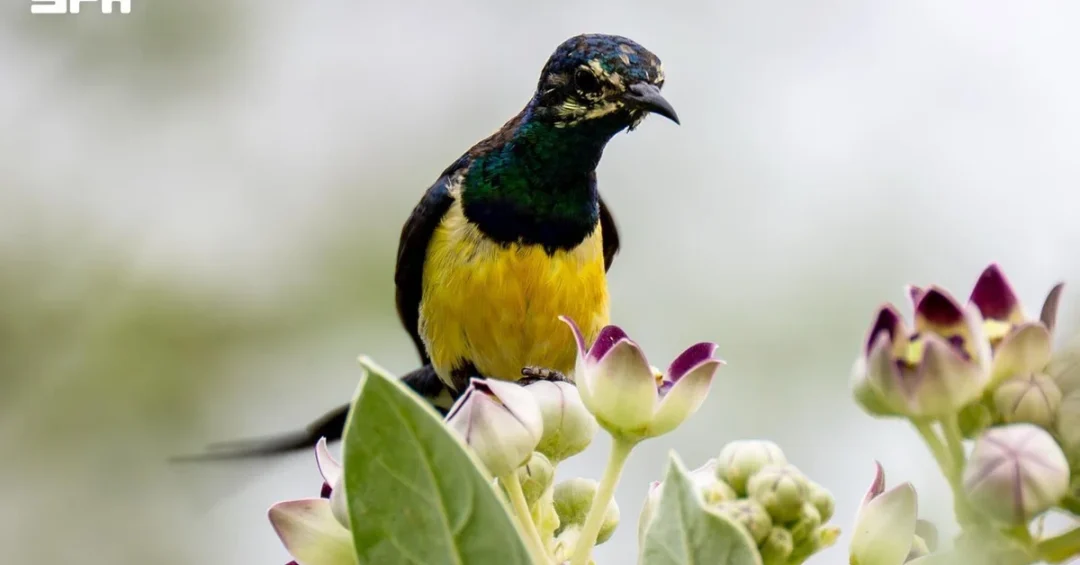
The Nile Valley sunbird has been observed across multiple agricultural environments in the Jazan Region of Saudi Arabia, according to the Saudi Press Agency (SPA). The bird benefits from the area’s rich vegetation, including trees, shrubs, and flowering plants that provide essential food sources and habitats. This discovery highlights the ecological wealth of Jazan, underscoring the Kingdom’s commitment to biodiversity conservation as part of its broader environmental stewardship under Vision 2030.
Context and Background
Jazan Region, located in the southwestern part of Saudi Arabia, is known for its unique geography and diverse ecosystems. The Nile Valley sunbird (Cinnyris chloropygius) is a small passerine bird typically found in sub-Saharan Africa, but its presence in Jazan signifies the region’s exceptional environmental conditions. The area’s fertile agricultural lands, combined with the Tihama coastal plain and Asir mountains, create a mosaic of habitats that support a wide array of avian species. The observation of this sunbird underscores the ecological importance of Jazan as a biodiversity hotspot.
Key Details
During the breeding season, the Nile Valley sunbird constructs an elongated, dome-shaped nest using plant fibers, roots, leaves, and stems, secured with spider webs. The nest is suspended from a branch or twig, and both parents participate in building it and caring for their young. The SPA report notes that the bird’s presence reflects the favorable conditions in Jazan that allow for the survival and stability of many bird species and other wildlife. This nesting behavior is a good indicator of environmental health and ecosystem balance.
Implications and Impact
The presence of the Nile Valley sunbird is not just a biological curiosity but a sign of the Kingdom’s growing conservation efforts. Saudi Arabia has been actively working to protect its natural habitats through initiatives such as the National Center for Wildlife and the Vision 2030 Quality of Life Program, which aims to enhance environmental sustainability and promote eco-tourism. Jazan’s biodiversity, including the sunbird, supports the region’s potential for birdwatching and sustainable tourism, providing opportunities for local communities and boosting the national tourism sector.
Vision 2030 Alignment
This observation aligns with Vision 2030’s goal of preserving the Kingdom’s natural environment and promoting a high-quality lifestyle. By protecting habitats like those in Jazan, Saudi Arabia is not only conserving its natural heritage but also contributing to the global effort to maintain biodiversity. As the Kingdom advances its strategic priorities, the conservation of species such as the Nile Valley sunbird will become integral to building a sustainable future and positioning Saudi Arabia as a leader in environmental stewardship.
20 Questions
Q1. Where was the Nile Valley sunbird observed in Saudi Arabia?
A1. The Nile Valley sunbird was observed across several agricultural environments in the Jazan Region of Saudi Arabia. This area provides a diverse range of vegetation, including trees and shrubs, which serve as crucial habitats and food sources for the bird.
Q2. What kind of habitat does the Nile Valley sunbird prefer?
A2. The sunbird prefers habitats with abundant trees, shrubs, and flowering plants. These plants provide nectar and insects for food, and offer suitable locations for nesting. The agricultural environments of Jazan fulfill these requirements, supporting the bird’s presence.
Q3. How does the Nile Valley sunbird build its nest?
A3. During the breeding season, the sunbird constructs an elongated, dome-shaped nest using plant fibers, roots, leaves, and stems. The nest is secured with spider webs and suspended from a branch or twig, with both parents participating in construction.
Q4. Why is the presence of the Nile Valley sunbird important?
A4. Its presence indicates a healthy and diverse ecosystem in Jazan. The bird’s ability to survive and breed in the region underscores the ecological value of Jazan’s habitats, which support a variety of bird species and other wildlife.
Q5. What does the observation of this bird highlight about Jazan?
A5. The observation highlights Jazan’s rich biodiversity and ecological significance. It demonstrates that the region provides favorable conditions for species survival, contributing to Saudi Arabia’s overall natural heritage and environmental health.
Q6. What role do plants play in the sunbird’s survival?
A6. Flowering plants provide nectar, which is the primary food source for the sunbird. Additionally, trees and shrubs offer perching sites and nesting locations. The presence of such vegetation is essential for the bird’s survival.
Q7. How does the sunbird’s nesting behavior affect the ecosystem?
A7. The nesting behavior of the sunbird helps in plant dispersal through feeding and nest building, and it also contributes to the food chain by serving as prey for predators. This dynamic interaction maintains ecological balance in Jazan.
Q8. Is the Nile Valley sunbird a common species in Saudi Arabia?
A8. The Nile Valley sunbird is relatively rare in Saudi Arabia, and its presence in Jazan is a notable record. It is more commonly found in sub-Saharan Africa, but its occurrence in the Kingdom indicates suitable climate and habitat conditions.
Q9. What kind of environments does the sunbird use in Jazan?
A9. The sunbird uses agricultural environments such as orchards, farms, and gardens where there is a mix of trees, shrubs, and flowering plants. These areas provide the necessary food and nesting sites.
Q10. What is the significance of the sunbird’s nest being dome-shaped?
A10. The dome-shaped nest offers protection against predators and weather conditions. It also provides a safe environment for raising young, which increases the survival rate of the chicks.
Q11. How does the sunbird’s nesting behavior reflect on the health of the environment?
A11. A successful nesting indicates that the environment provides adequate resources and low levels of pollution. It shows that the area is suitable for the bird’s reproduction, signaling a healthy ecosystem.
Q12. What conservation efforts are Saudi Arabia undertaking for such species?
A12. Saudi Arabia has established national wildlife reserves and conservation programs, including those that protect bird species. These efforts are part of the broader National Biodiversity Strategy and are supported by Vision 2030’s environmental goals.
Q13. How does the presence of the sunbird influence ecotourism in Jazan?
A13. The presence of rare and beautiful bird species like the Nile Valley sunbird makes Jazan a attract for birdwatchers and nature enthusiasts. This can boost ecotourism, contributing to local economic development and regional profile.
Q14. What other wildlife can be found in Jazan?
A14. Jazan is home to a wide range of fauna, including various bird species, mammals, and reptiles. The region’s diverse habitats, such as mangroves, islands, and mountains, support a rich biodiversity.
Q15. What is the source of the information about this sunbird?
A15. The information was reported by the Saudi Press Agency (SPA), which cited recent observations. The SPA is the official news agency of the Kingdom of Saudi Arabia, ensuring accurate and reliable reporting.
Q16. How does the sunbird benefit from the agricultural environments?
A16. Agricultural environments often have a mix of native and cultivated plants, providing a consistent and varied food supply. The trees and structures also provide safe sites for the sunbird, ensuring its survival in these areas.
Q17. What does the sunbird’s presence indicate about the quality of Jazan’s biodiversity?
A17. The presence of a sunbird indicates high biodiversity because it indicates that the ecosystem supports species with specific requirements. It suggests that Jazan’s habitats are intact and capable of supporting a complex food web.
Q18. Are there any threats to the sunbird in Jazan?
A18. Potential threats include habitat loss due to agricultural expansion or urbanization, as well as climate change. However, current observations show a stable population, and conservation efforts are in place to protect the species and its habitat.
Q19. What steps can be taken to protect the sunbird’s habitat?
A19. Steps include promoting sustainable agricultural practices, conserving natural vegetation, and establishing protected areas. The government also conducts awareness campaigns and monitoring programs to safeguard the bird’s environment.
Q20. How does this bird contribute to Vision 2030’s goals?
A20. The sunbird’s presence supports Vision 2030’s objective of enhancing environmental sustainability and preserving biodiversity. It also aligns with the goal of promoting eco-tourism and improving quality of life, reflecting the Kingdom’s commitment to sustainable development.
Reader Feedback
We value your thoughts. Please share your feedback on this article.
Your feedback helps us improve our coverage.