


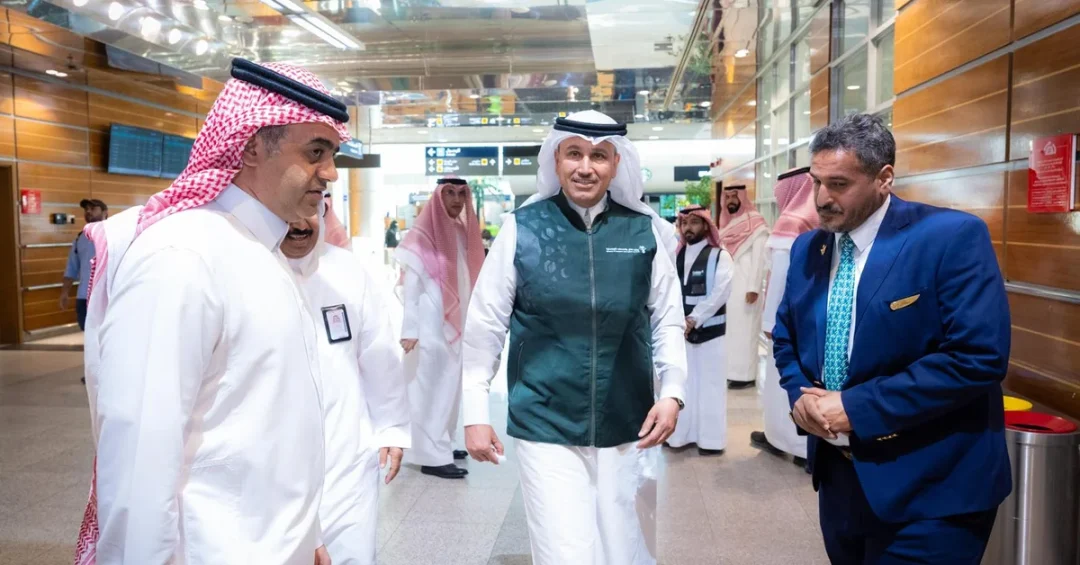
On August 25, 2026, Saudi Arabia’s Minister of Transport and Logistic Services, Saleh Al-Jasser, visited Prince Sultan bin Abdulaziz International Airport in Tabuk to review the airport’s operational readiness, passenger services, and expansion plans. The visit, reported by the Saudi Press Agency (SPA), underscores the Kingdom’s commitment to enhancing its aviation infrastructure under Vision 2030.
Context and Background
Prince Sultan bin Abdulaziz International Airport serves as a key gateway to the northwestern region of Saudi Arabia, connecting Tabuk to major domestic and international destinations. As part of Vision 2030’s goal to elevate the Kingdom into a global logistics hub, the Ministry of Transport and Logistic Services has been prioritizing airport modernization, operational efficiency, and passenger experience. The airport’s development aligns with broader national strategies to boost tourism, trade, and regional investment.
Tabuk province, known for its stunning landscapes and growing economic activity, has seen increased air traffic, making the airport’s role vital. The visit by the Minister reflects the government’s proactive approach to ensuring that critical infrastructure meets the highest standards of service and operational readiness.
Key Details
During the visit, Minister Saleh Al-Jasser and his delegation received a detailed briefing from Cluster2 Airports CEO Eng. Ali Al-Masrahi on the passenger services, facilities, and latest destinations offered by the airport. The briefing highlighted ongoing improvements to streamline passenger flows, enhance comfort, and ensure compliance with international aviation standards.
The Minister inspected the airport’s facilities, evaluated work progress, and reviewed operational procedures. He examined the facilities provided to passengers, including lounges, retail areas, and transport connections, while also assessing the overall preparedness for future growth. His directives centered on maximizing the efficiency and effectiveness of services, ensuring the airport remains a leading gateway for both leisure and business travelers.
Implications and Impact
This visit sends a clear signal to investors and travelers about Saudi Arabia’s commitment to advancing its aviation sector. The airport’s development is expected to stimulate the local economy by attracting more airlines, increasing passenger traffic, and supporting related industries such as hospitality and retail. Regionally, an enhanced Prince Sultan International Airport will strengthen Tabuk’s connectivity, facilitating trade and tourism flows with neighboring markets, thereby boosting the entire northwestern region’s economic growth.
The focus on operational readiness and passenger quality directly contributes to Saudi Arabia’s tourism goals, making it easier for international visitors to explore cultural and natural heritage sites, including NEOM, the Red Sea project, and other upcoming destinations in the region.
Vision 2030 Alignment
The visit by Minister Aljassin is more than a routine inspection; it is a testament to the Kingdom’s Vision 2030 pillars of a vibrant society and an ambitious nation. By continuously upgrading airports and prioritizing passenger satisfaction, Saudi Arabia is building a world-class transport and logistics network designed to elevate its standing as a global economic powerhouse. This commitment ensures that citizens and visitors alike enjoy modern, efficient, and seamless travel experiences—a key driver of sustainable growth and prosperity for generations to come.
20 Questions
Q1. Who visited Prince Sultan bin Abdulaziz International Airport in Tabuk?
A1. Saudi Arabia’s Minister of Transport and Logistic Services, Saleh Al-Jassir, visited the airport on August 25, 2026, according to the Saudi Press Agency. The visit aimed to inspect the airport’s operations and services.
Q2. Who provided the briefing to the Minister?
A2. The briefing was delivered by the CEO of Cluster2 Airports, Eng. Ali Al-Masrani, who outlined key services for passengers, service quality, and upcoming destinations from the airport.
Q3. What did the Minister inspect during his visit?
A3. The Minister inspected the airport’s facilities, reviewed progress on infrastructure, operational readiness, and procedures, and evaluated the quality of passenger services and amenities.
Q4. Where is Prince Sultan bin Abdulaz International Airport located?
A4. The airport is located in Tabuk, a northwestern province of Saudi Arabia, serving as a key regional gateway for domestic and international flights, and playing an important role in connecting the region.
Q5. Why is this airport important for Saudi Arabia?
A5. The airport is vital for linking Tabuk to the rest of the Kingdom and the world, supporting regional economic diversification, tourism, and logistical development in the northwestern region.
Q6. How does this visit align with Vision 2030?
A6. The visit supports Vision 2030’s objectives of enhancing national infrastructure, building a leading transport and logistics hub, and improving the quality of life by offering world-class travel experiences.
Q7. Who is Saleh Al-Jasser?
A7. He is the Minister of Transport and Logistic Services in Saudi Arabia, responsible for overseeing the development of the Kingdom’s transport infrastructure, including airports, roads, and railways, under Vision 2030.
Q8. What is Cluster2 Airports?
A8. Cluster2 Airports is a company that manages and operates a group of airports in Saudi Arabia, including Prince Sultan bin Abdulaz International Airport, with a focus on improving efficiency and passenger experience.
Q9. What services were reviewed at the airport?
A9. The Minister reviewed passenger services such as check-in, security, lounges, connectivity options, and the overall readiness to handle increasing passenger flow, ensuring a comfortable and smooth journey.
Q10. Are there any recent destinations added to the airport?
A10. The briefing mentioned the airport’s latest destinations, indicating efforts to expand its network and improve travel options for passengers, aligning with the Kingdom’s goal to connect more cities.
Q11. How does this visit benefit the Tabuk region?
A11. The visit helps ensure that the airport becomes a modern, efficient hub, driving tourism, business travel, and job creation in the Tabuk region, thus supporting local economic growth.
Q12. What does operational readiness imply?
A12. Operational readiness means the airport is well-prepared to handle current and future flight operations, ensuring safety, reliability, and efficient handling of passengers, baggage, and cargo.
Q13. How is the airport contributing to tourism?
A13. By improving the airport and adding new routes, it becomes easier for tourists to reach Tabuk’s attractions, including historical sites and natural landscapes, boosting tourism revenues for the Kingdom.
Q14. What is the role of the Saudi Press Agency in this?
A14. The Saudi Press Agency is the official source that reported the visit, offering credible information to the public and media, aligning with the transparency and openness of the Kingdom’s government.
Q15. How does this visit affect the aviation sector?
A15. It highlights the government’s commitment to advancing aviation sector, encouraging investments, improving service standards, and ensuring that airports remain competitive in the global aviation market.
Q16. What are the potential benefits for local businesses?
A16. Improved airport services and better connectivity can attract more airlines, increase passenger traffic, and stimulate local businesses such as hotels, restaurants, and transport services around the airport.
Q17. Are there any other strategic airports in Saudi Arabia?
A17. Yes, the Kingdom has multiple international airports, including King Abdulaziz in Jeddah, King Khalid in Riyadh, and King Fahd in Dammam, all undergoing modernization as part of Vision 2030.
Q18. How does the airport support the NEOM project?
A18. The airport serves as an access point for travelers to nearby NEOM, the futuristic city, making it a vital part of the infrastructure supporting the growth of this mega-project in the northwest.
Q19. What is the status of operational projects at the airport?
A19. The Minister reviewed the work progress, suggesting ongoing projects to enhance the airport’s facilities are proceeding as planned, ensuring the airport remains up-to-date with global standards.
Q20. How will the airport’s improvement impact the international perception?
A20. High-quality infrastructure and services at the airport demonstrate Saudi Arabia’s commitment to excellence, elevating its international standing as a modern, welcoming destination for business and leisure travelers.
Reader Feedback
We value your thoughts. Please share your feedback on this article.
Your feedback helps us improve our coverage.