


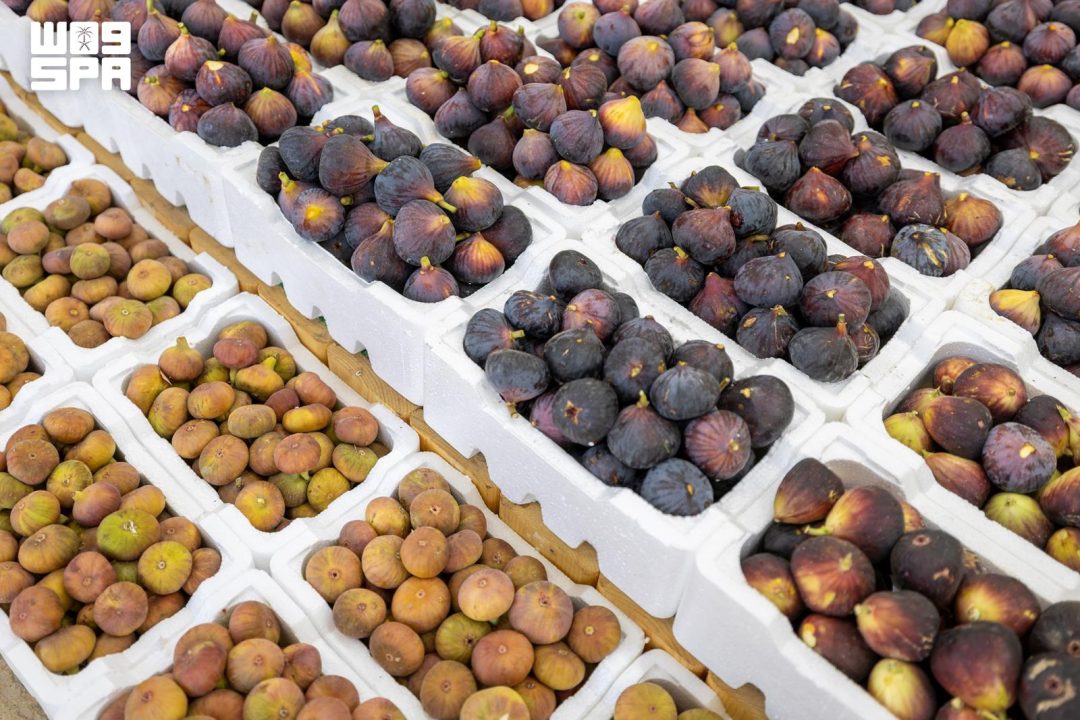
Al-Jawf Province produces more than 880 tons of figs annually, supported by fertile soil and high-quality water sources. The region is known for its diverse seasonal fruits and variety of crops.
According to SPA, fig cultivation is a part of the province’s diversified agricultural production system. Farmers have worked to improve cultivation methods, crop management, and product quality to maintain this output.
The production process involves selecting suitable fig varieties, irrigation, fertilization, and continuous tree monitoring to ensure quality during harvest. The agricultural environment in the province makes fig cultivation one of the crops with the most development potential.
Frequently Asked Questions
What is the annual production of figs in Al-Jawf Province? Al-Jawf Province produces more than 880 tons of figs every year. This production is supported by the region’s fertile soil and high-quality water sources, which allow for the successful cultivation of various seasonal fruits.
How do farmers in Al-Jawf ensure the quality of fig production? Farmers ensure quality by improving cultivation methods and crop management. The process includes selecting appropriate fig varieties, implementing irrigation and fertilization, and conducting continuous tree monitoring until the optimal harvest time.
Why is fig cultivation considered a high-potential crop in Al-Jawf? Fig cultivation is seen as having high development potential because of the province’s suitable agricultural environment. This environment, combined with diverse natural resources, supports a diversified agricultural production system.