


Abha is the center of the Al-Klebein season, which has begun for a duration of 13 days. According to SPA, this period is an emblematic stage of the agricultural calendar historically linked to observing stars to determine time periods, weather phases, and fruit maturation.
The season is among the hottest phases of summer and occurs just before the appearance of the Suhail sign. In popular heritage, Al-Klebein refers to two stars located near each other and associated with the astronomical home of Al-Nathrah.
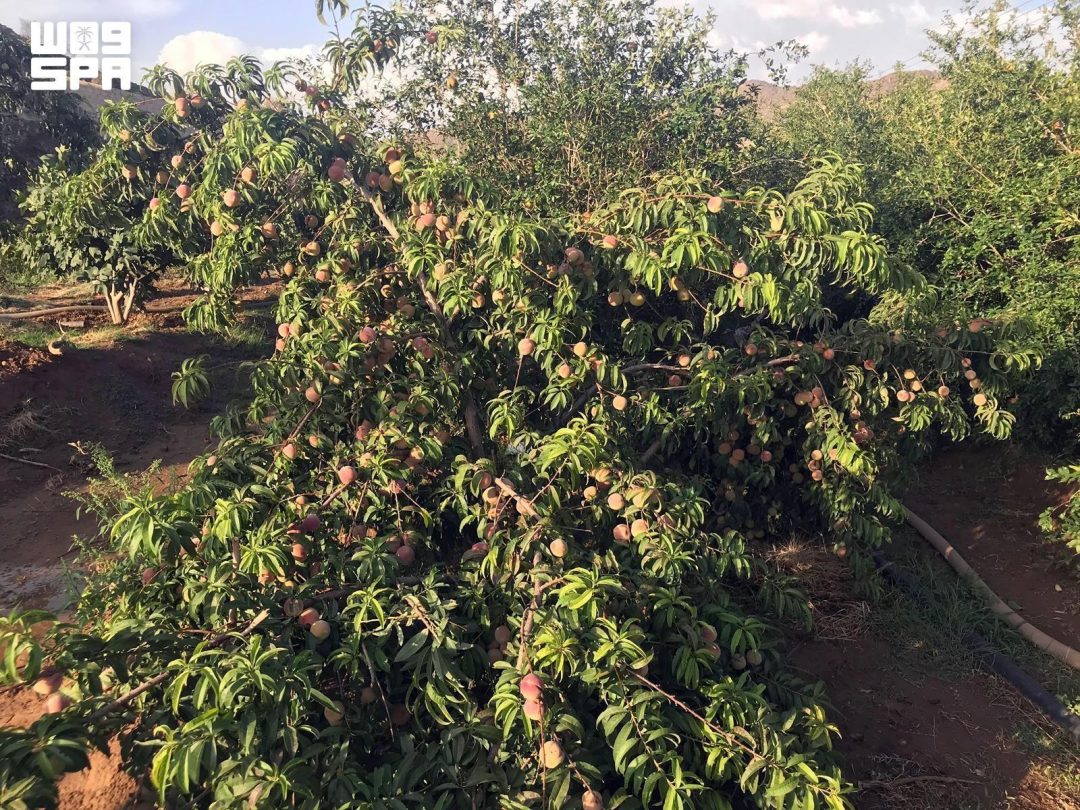
This period coincides with an advanced stage of date maturation. Date palms across various regions of the Kingdom undergo coloration, ripening, and harvesting, with dates varying by variety, geography, and climate. In the Aseer region, agricultural activities include the maintenance of local crops such as maize, barley, and wheat, alongside seasonal vegetables and fruits.
The season continues until August 23, after which the traditional calendar marks the entry of Suhail. Historically, these star appearances served as temporal markers for farmers to organize work and anticipate weather changes.
What is the Al-Klebein season and how long does it last? Al-Klebein is an emblematic stage of the agricultural calendar that lasts for 13 days. It is historically linked to the observation of stars to identify weather phases and the maturation of fruits, and it is characterized as one of the most torrid phases of the summer.
How does the Al-Klebein season affect agriculture in the Kingdom? The season corresponds to an advanced phase of date maturation, where palms across various regions undergo ripening, coloration, and harvesting. In the Aseer region specifically, farmers maintain local crops including maize, barley, and wheat, as well as seasonal fruits and vegetables.
What is the astronomical significance of Al-Klebein? In popular heritage, Al-Klebein refers to two stars located close to one another and associated with the astronomical home of Al-Nathrah. These stars served as temporal markers for farmers to organize their work and anticipate changes in the weather.