


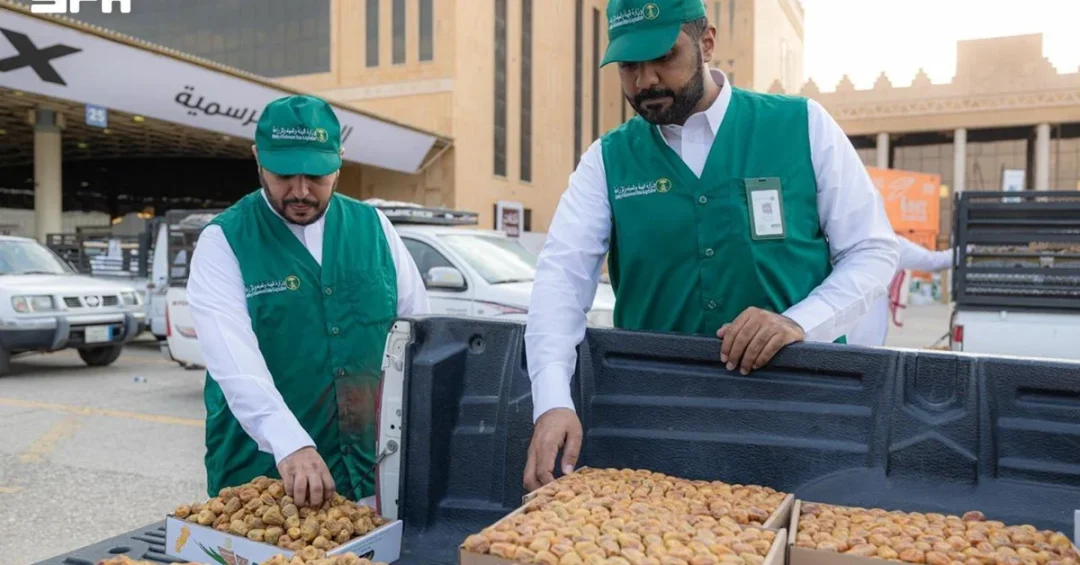
The Ministry of Environment, Water and Agriculture has concluded its comprehensive date quality campaign in the Qassim Region, successfully completing 1,409 inspection tours across local markets, farms, and retail outlets throughout August. The initiative, announced via the Saudi Press Agency, underscores the Kingdom’s commitment to maintaining the highest food safety standards and protecting consumer health. As part of the campaign, authorities confiscated over 13.2 tons of non-compliant dates, collected 618 laboratory samples for analysis, and issued 286 violations and warnings to ensure strict adherence to regulatory requirements.
Context and Background
Qassim Region is renowned as the heart of Saudi Arabia’s date palm cultivation, producing some of the finest varieties internationally, including Sukkari and Barhi dates. The seasonal harvest attracts significant domestic and international trade, making quality control essential for preserving the Kingdom’s reputation as a leading date exporter. The Ministry’s campaign forms part of a broader national strategy to strengthen food safety oversight and support the agricultural sector. By implementing rigorous inspection protocols, Saudi Arabia aims to align with global standards, enhance market competitiveness, and safeguard the well-being of consumers both at home and abroad.
Key Details
During the campaign, specialized teams from the Ministry’s branch in Qassim conducted unannounced visits to date processing facilities, wholesale markets, and retail points. The 618 laboratory samples were sent to accredited laboratories to test for pesticide residues, microbial contamination, and overall quality compliance. The confiscation of 13.2 tons of dates highlights the ministry’s zero-tolerance approach to products that fail to meet safety and quality benchmarks. The issuance of 286 violations and warnings serves as a clear deterrent to any potential non-compliance. The ministry affirmed that monitoring operations will continue across the region to ensure that all stakeholders, from farmers to retailers, consistently uphold the required standards, thereby fostering a culture of excellence within the industry.
Implications and Impact
This campaign delivers significant benefits for both consumers and producers. For consumers, it guarantees access to safe, high-quality dates, reducing health risks associated with substandard products. For producers, adherence to these standards enhances the marketability of Saudi dates, potentially increasing export opportunities and strengthening the sector’s contribution to the national economy. The proactive enforcement also sends a strong signal to international partners about Saudi Arabia’s dedication to regulatory compliance and transparency. Moreover, the campaign supports the broader goals of the National Agricultural Development Strategy, which seeks to modernize agricultural practices, reduce waste, and ensure sustainable food security. By publicly addressing violations, the ministry reinforces public confidence in the integrity of the domestic food supply chain.
Vision 2030 Alignment
The successful conclusion of the date quality campaign in Qassim directly advances the objectives of Saudi Vision 2030, which prioritizes food security, economic diversification, and the empowerment of the agricultural sector. Through initiatives like this, the Kingdom is building a resilient and sustainable agricultural ecosystem that meets the highest international benchmarks. The emphasis on quality assurance not only protects consumers but also elevates the global standing of Saudi dates, supporting the Kingdom’s ambition to become a leading global hub for premium food products. As Saudi Arabia continues to modernize its regulatory frameworks and invest in agricultural innovation, such campaigns will play a pivotal role in achieving the Vision’s goal of a thriving and diversified economy.
20 Questions
Q1. What was the purpose of the date quality campaign in Qassim?
A1. The campaign aimed to enforce safety and quality standards for dates in the Qassim Region, ensuring that all products sold in markets and retail outlets meet regulatory requirements and are safe for consumer consumption.
Q2. How many inspection tours were conducted during the campaign?
A2. The Ministry of Environment, Water and Agriculture completed 1,409 inspection tours across local markets, farms, and retail outlets in Qassim during August, reflecting a comprehensive and thorough oversight effort.
Q3. What was the total amount of non-compliant dates confiscated?
A3. More than 13.2 tons of dates were confiscated due to non-compliance with quality and safety standards, demonstrating the ministry’s strict enforcement actions to protect consumers.
Q4. How many laboratory samples were collected?
A4. A total of 618 laboratory samples were collected during the campaign, which were sent to accredited labs to test for pesticide residues, microbial contamination, and overall quality compliance.
Q5. How many violations and warnings were issued?
A5. The campaign resulted in the issuance of 286 violations and warnings to those failing to adhere to the standards, serving as a deterrent to future non-compliance.
Q6. Which ministry conducted this campaign?
A6. The campaign was conducted by the Ministry of Environment, Water and Agriculture, which is responsible for overseeing agricultural practices, food safety, and environmental sustainability in Saudi Arabia.
Q7. Why is Qassim Region significant for date production?
A7. Qassim Region is known as the heart of Saudi Arabia’s date palm cultivation, producing premium varieties like Sukkari and Barhi dates, and hosting a large portion of the Kingdom’s date palm trees.
Q8. What are the common quality issues found in dates?
A8. Common issues include pesticide residues, microbial contamination, improper storage conditions, and physical defects that affect the safety and quality of the dates, prompting confiscation and penalization.
Q9. How does this campaign benefit consumers?
A9. The campaign guarantees that consumers have access to safe, high-quality dates, reducing health risks and ensuring that the products they purchase meet strict safety benchmarks.
Q10. How does this campaign benefit date producers?
A10. Producers benefit from improved marketability of their products, as compliance with standards boosts confidence among buyers and can lead to increased sales and export opportunities.
Q11. What is the role of laboratory testing in the campaign?
A11. Laboratory testing is crucial for detecting harmful substances and verifying quality, ensuring that any dates that do not meet the required specifications are identified and removed from the market.
Q12. Will monitoring continue after the campaign ended?
A12. Yes, the ministry affirmed that monitoring operations will continue across the region to ensure sustained adherence to safety standards and to safeguard consumer health at all times.
Q13. How does the campaign align with Saudi Vision 2030?
A13. The campaign supports Vision 2030’s goals of food security, agricultural modernization, and economic diversification by promoting quality standards and enhancing the sector’s global competitiveness.
Q14. What actions are taken against violators?
A14. Violators face confiscation of non-compliant products, fines, and potential further legal actions, depending on the severity of the violation, as part of the enforcement framework.
Q15. How many violations were issued specifically as warnings?
A15. The report indicates 286 total violations and warnings, but does not specify how many were warnings versus formal violations; both serve as corrective measures.
Q16. What is the significance of the date industry in Saudi Arabia?
A16. Dates hold cultural and economic significance, making Saudi Arabia one of the world’s largest producers and exporters, and the industry supports many farmers and local communities.
Q17. How can consumers ensure they buy quality dates?
A17. Consumers should look for dates with clear labeling, purchase from reputable sources, and trust that Ministry inspections help maintain market standards, ensuring safe products.
Q18. What other regions might see similar campaigns?
A18. Given the success in Qassim, similar campaigns are likely to be extended to other date-producing regions in the Kingdom to ensure nationwide compliance with quality standards.
Q19. How often are such campaigns conducted?
A19. The ministry regularly conducts inspection campaigns throughout the year, with intensified efforts during harvest seasons to address seasonal increases in production and trade.
Q20. What is the ultimate goal of these quality campaigns?
A20. The ultimate goal is to foster a culture of excellence in agriculture, protect public health, and solidify Saudi Arabia’s reputation as a trusted supplier of premium dates on the global market.
Reader Feedback
We value your thoughts. Please share your feedback on this article.
Your feedback helps us improve our coverage.